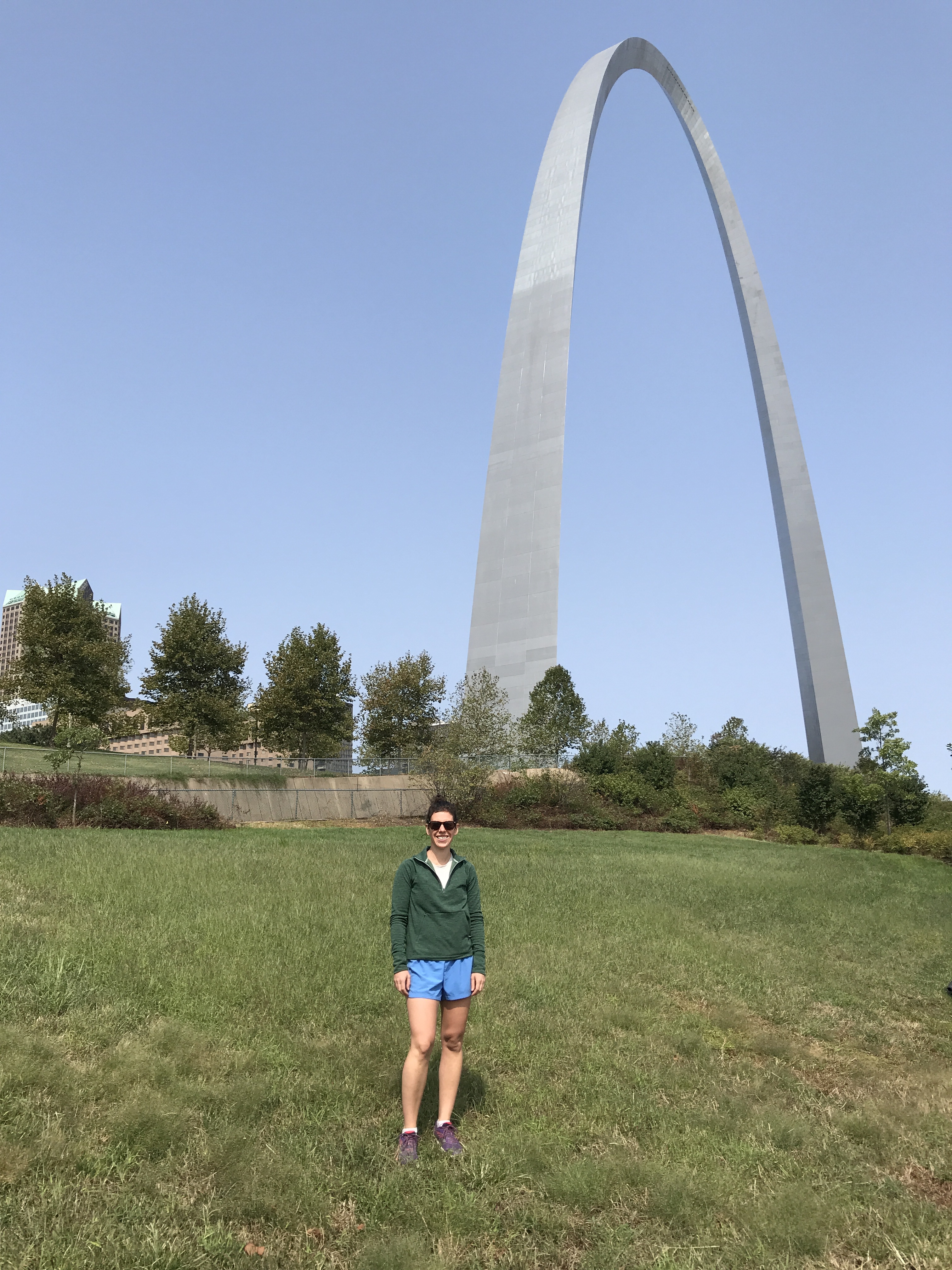
Finally out of South Dakota, we made our way south and east to St. Louis, Missouri. Of course, I had to stop at The Gateway Arch. Now a national park (since 2018), it was on the list!
Upon arrival in Missouri, we had some direction challenges. Our first major city in many weeks, we forgot what traffic, lane changes, and quick exits felt like. We bobbed and weaved the best we could safely to follow Google’s directions, but unfortunately missed many turns. Eventually we got off the highway and pulled into a parking lot to breathe. I changed the settings to avoid highways and led us through the calmer city streets towards our destination. Nothing like a good afternoon challenge!
We drove across the Mississippi River, wide, brown, and quickly flowing, to the RV Park at The Casino Queen. While nothing too special, largely a paved parking lot with hookups, it provided a quiet and secure spot for the night. The lovely part was that it provided a great view of The Gateway Arch.
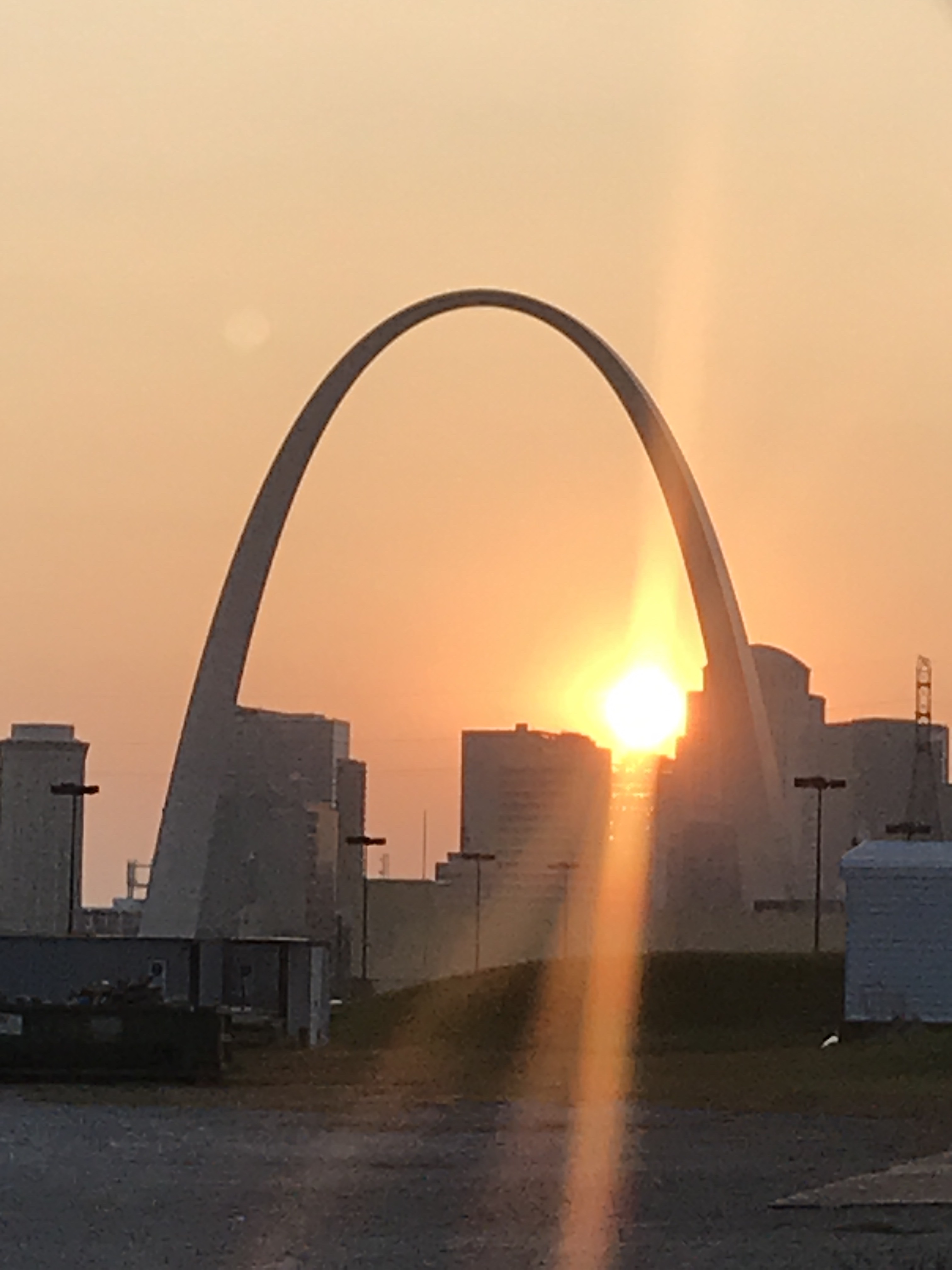
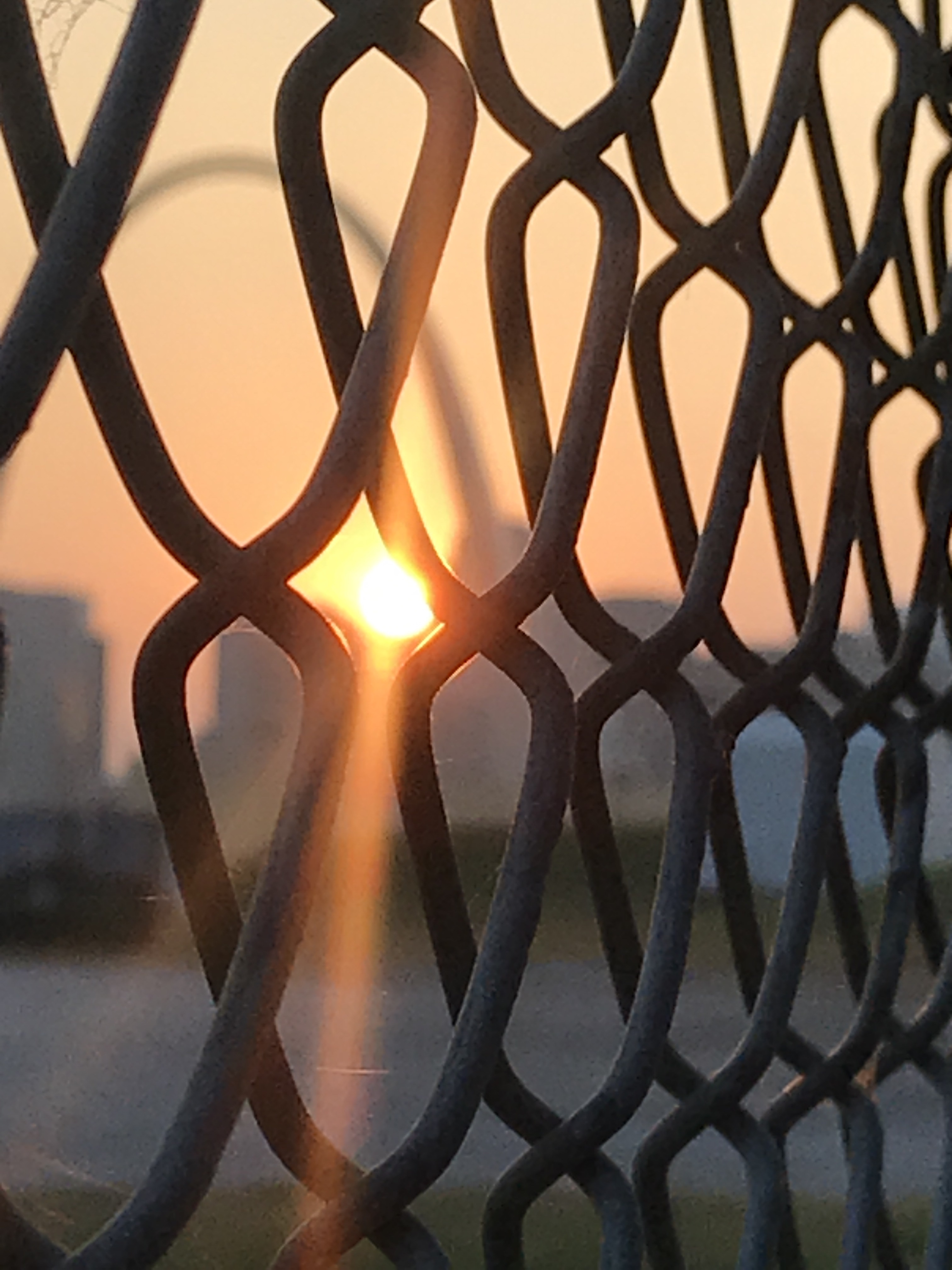
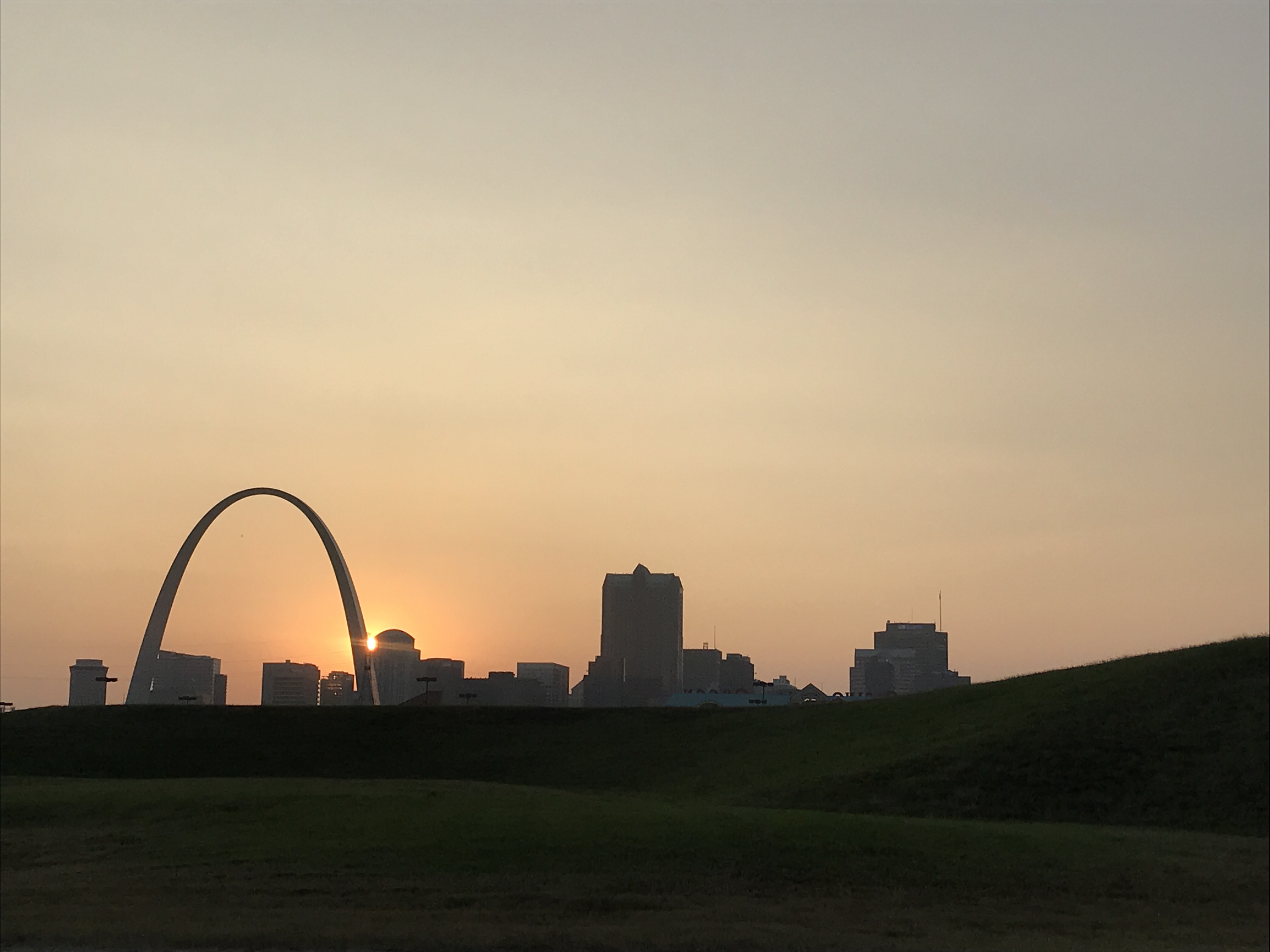
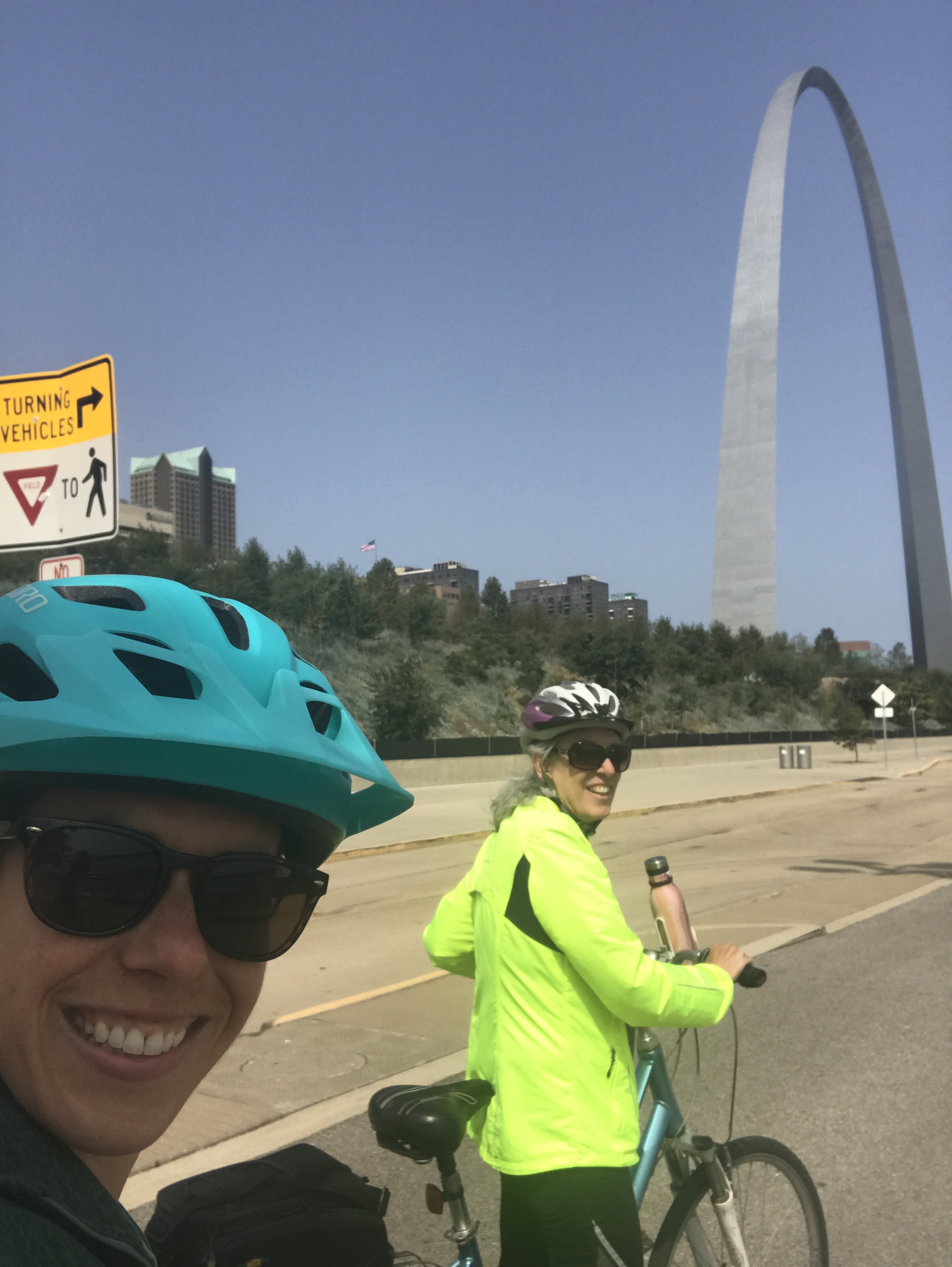
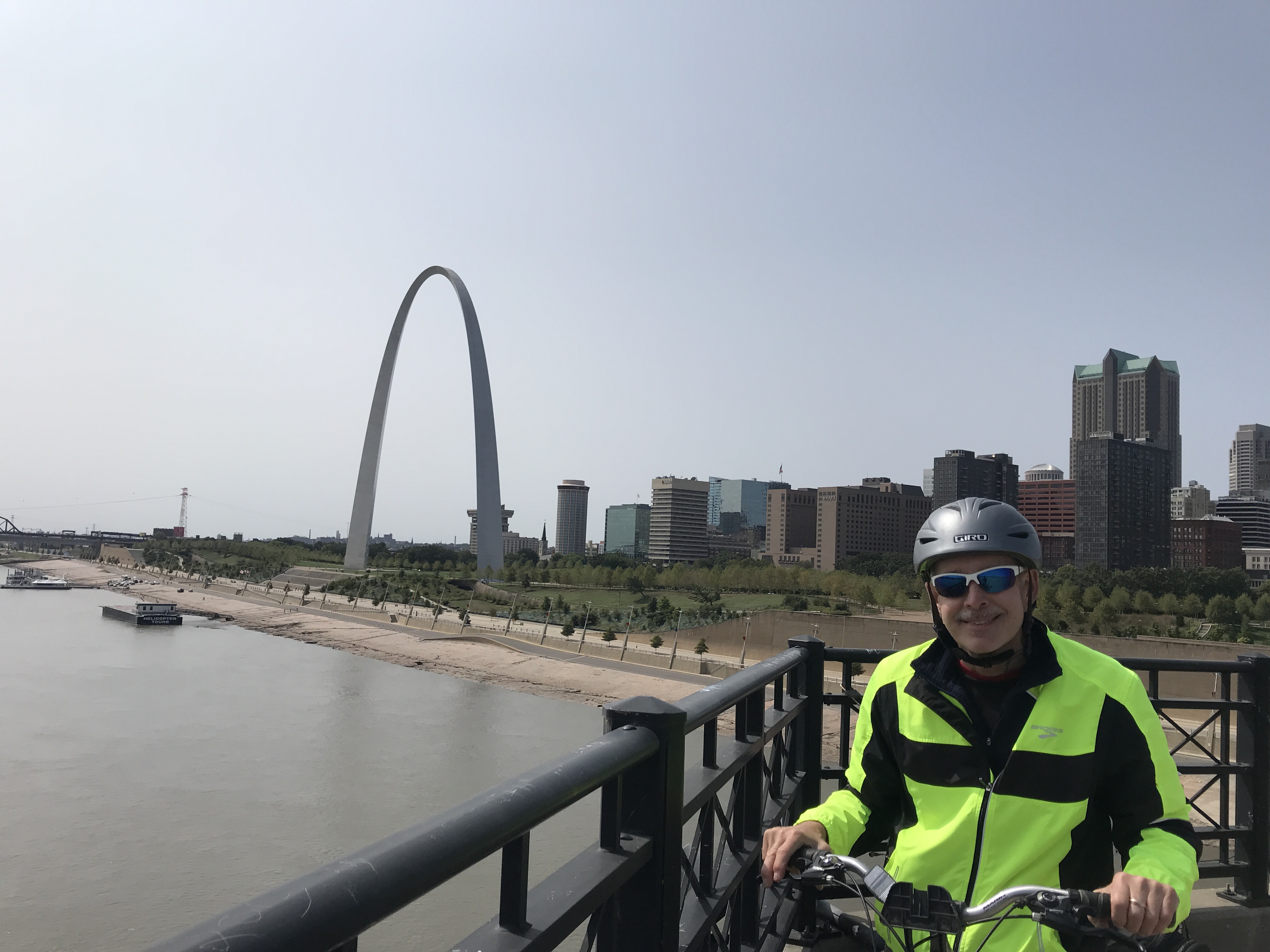
The next morning, we took our well rested bikes off the rack and rode over to the park. Across the Ead Bridge we went, high about the Mississippi River. The city of St. Louis is extremely bike friendly and a half wall barrier provided us safety and protection from the cars.
Once on the far side, we were immediately in the park. The Gateway Arch National Park is an interconnected system of walkways winding around lush green fields. Hardy trees provide shade over benches. While the park is at the edge of the city, you feel very far away from the skyscrapers and cars.
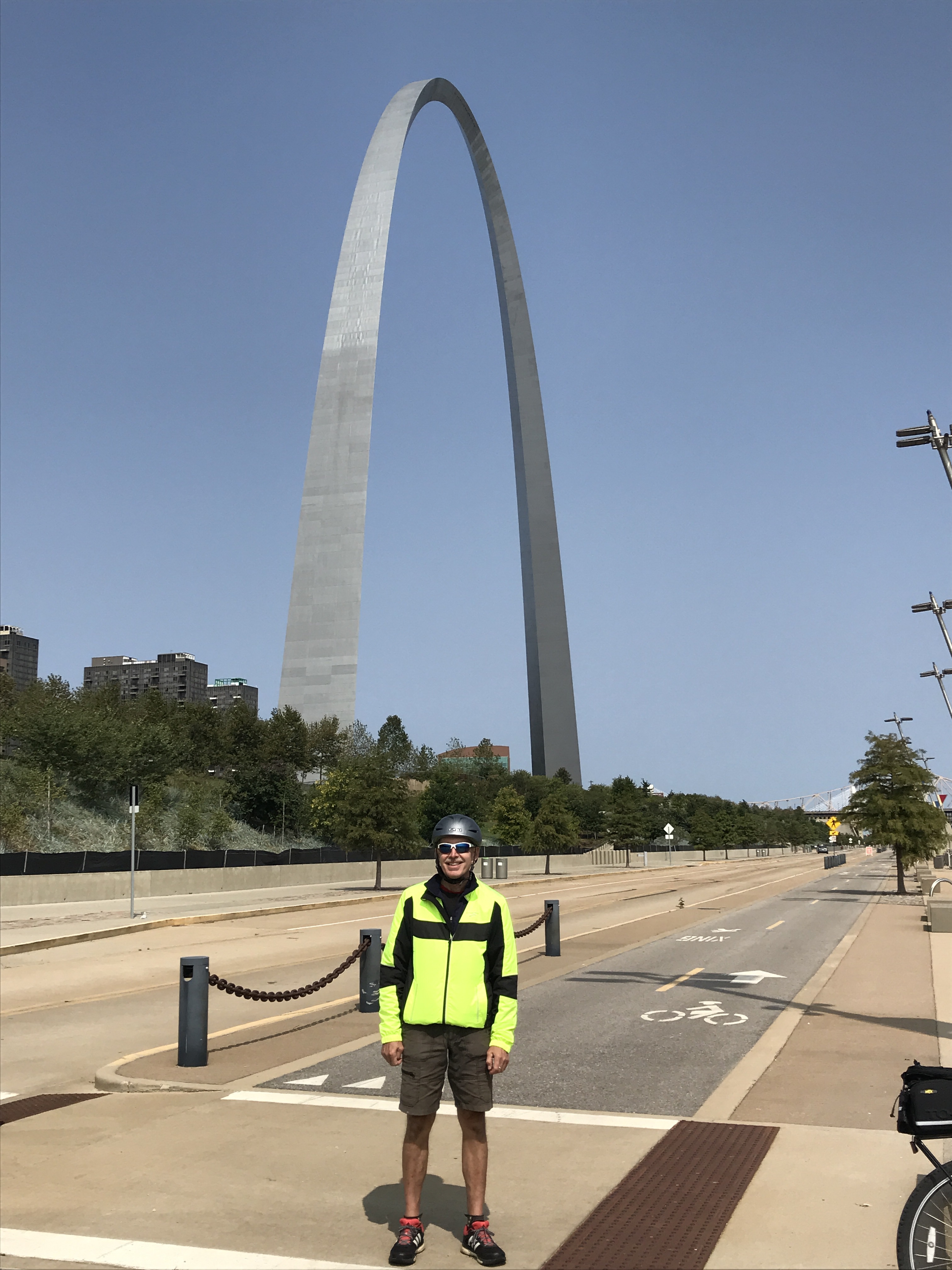
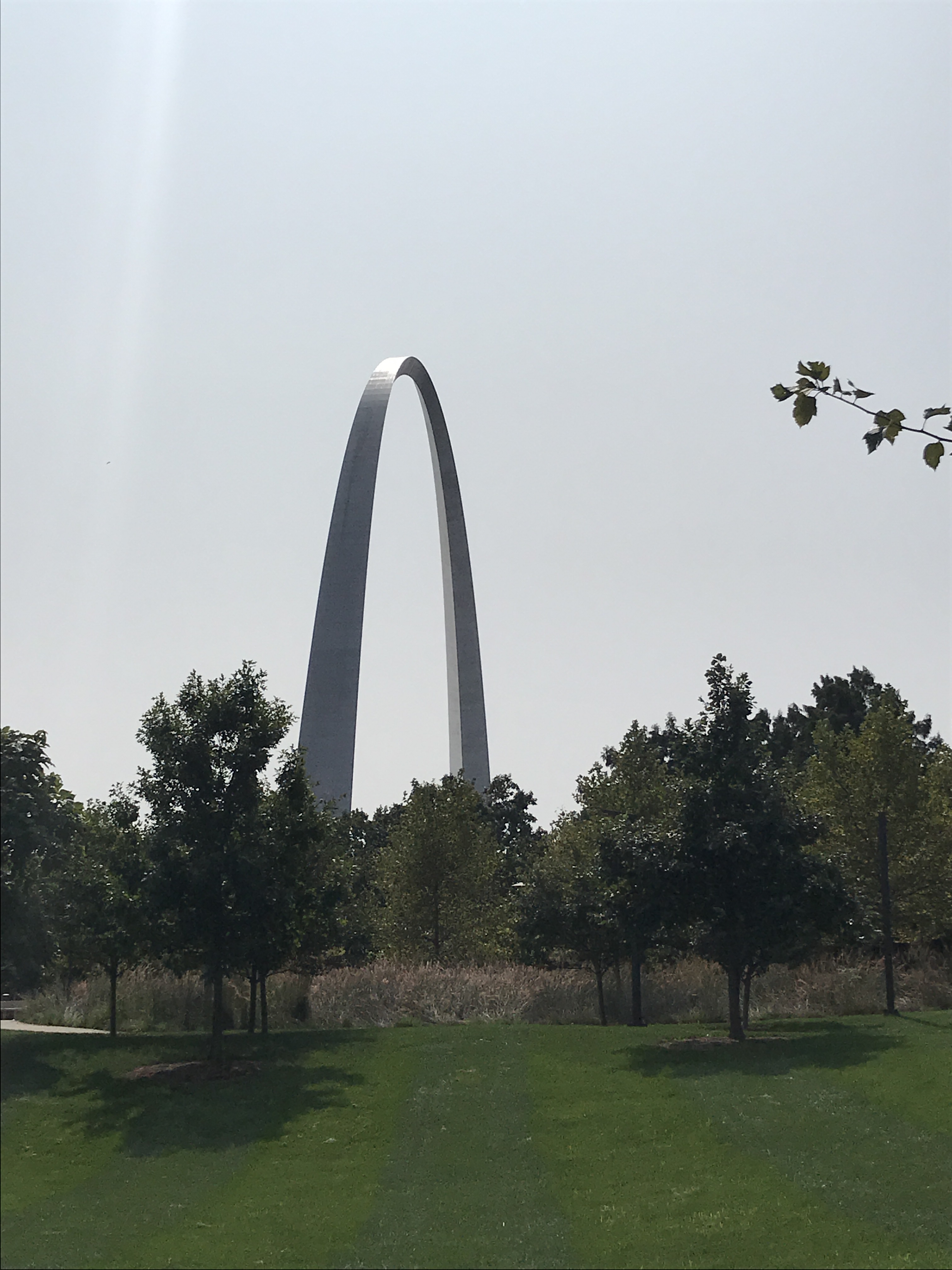
As we rode down the pathway, the Arch stretched upwards before us. A silver sculpture glistening in the morning sun, looking out over the busy river.


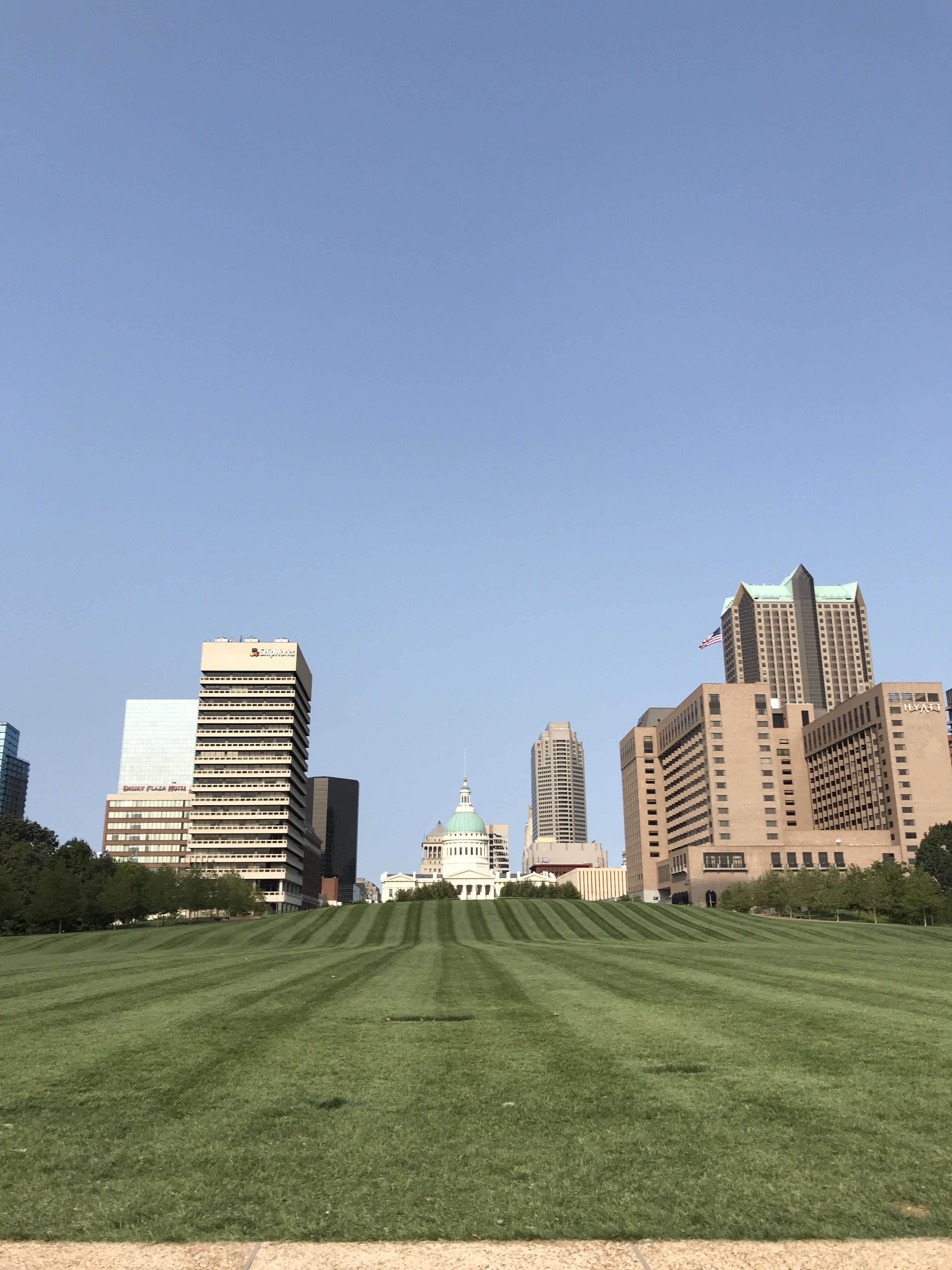
Below The Arch is the Visitor Center and Museum, and extensive collection of history that accurately portrays the development of the St. Louis area over the years. It balances the perspective of white history with that of indigenous peoples and Black people, depicting how partnerships, treaties, and relationships developed over time and fell apart. I was impressed by the dedication of the museum and national park to sharing the whole story.
Challenging, thought provoking questions are asked and explored. For example, “Should the settlement of land justify a nation’s ownership?” in regards to westward movement and the Homestead act. Or, “Does staking claim to land justify national ownership?” in reference to the Lewis and Clark expeditions. It explored the fact that every inch of land in the Americas once belonged to Native Americas and how over 500 treaties were made and all broken. It is complicated history, especially since I would not be traveling and learning and enjoying had westward expansion and Lewis and Clark expeditions not happened. I have immense privilege because of this history. And I acknowledge and continue to learn that this came at a great expense. It’s a lot to take in, and often uncomfortable. But I sit with it and learn how to give back. If you ever have the chance to visit, I highly recommend it.
After our eye opening history lesson, we unlocked the bikes and road a few miles on The Greenway below the park, along the river. We snapped some pictures of the monument on Osage and Oglala Sioux land, and headed back to the motorhomes for an afternoon of driving. A Harvest Host winery awaited us.


 Tonelli's Travels