Before turning onto 385 for the last leg of the journey, I stopped for gas at the last rest stop for — miles. A friendly gentleman waved at me from the store window as I cleaned my windshield and I popped inside to use the bathroom. On the walls we’re giant maps filled with a rainbow of pins, marking the homes of past visitors. For a place so remote, so hard to get to, Big Bend has welcomed a huge variety of visitors – from Africa to Canada to Italy and every corner of the US. It makes me happy to know so many people love our national parks and get out to see them.
Back in the van, I turned the corner and started down the long and straight stretch of road. The mountains loomed in the distance, but vast desert lay before them. 127 miles, then 96, then 58, I creeped closer and closer. Then finally, the big sign! I had arrived!

I stopped at Persimmon Gap visitor center, the first building I had seen since the gas station. When they say Big Bend is remote, they mean it. Hal gave me maps and answered all the questions and sent me down Dagger Flat Auto Road to see if any of the giant yucca were still blooming. While they were not, there wasn’t a soul around, so I pulled over for a quiet (yet hot!) lunch and admired the view of endless mountains before me.
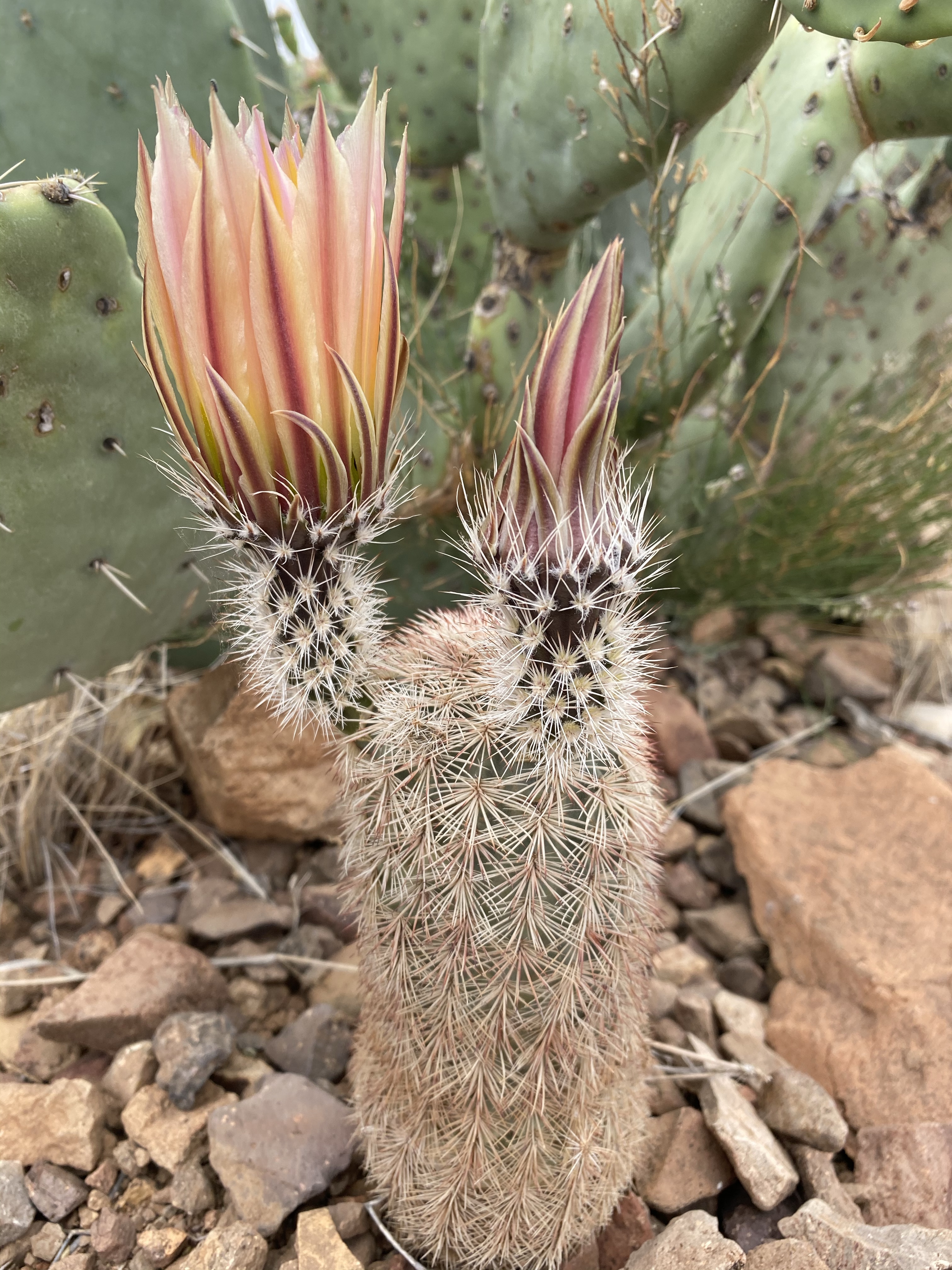
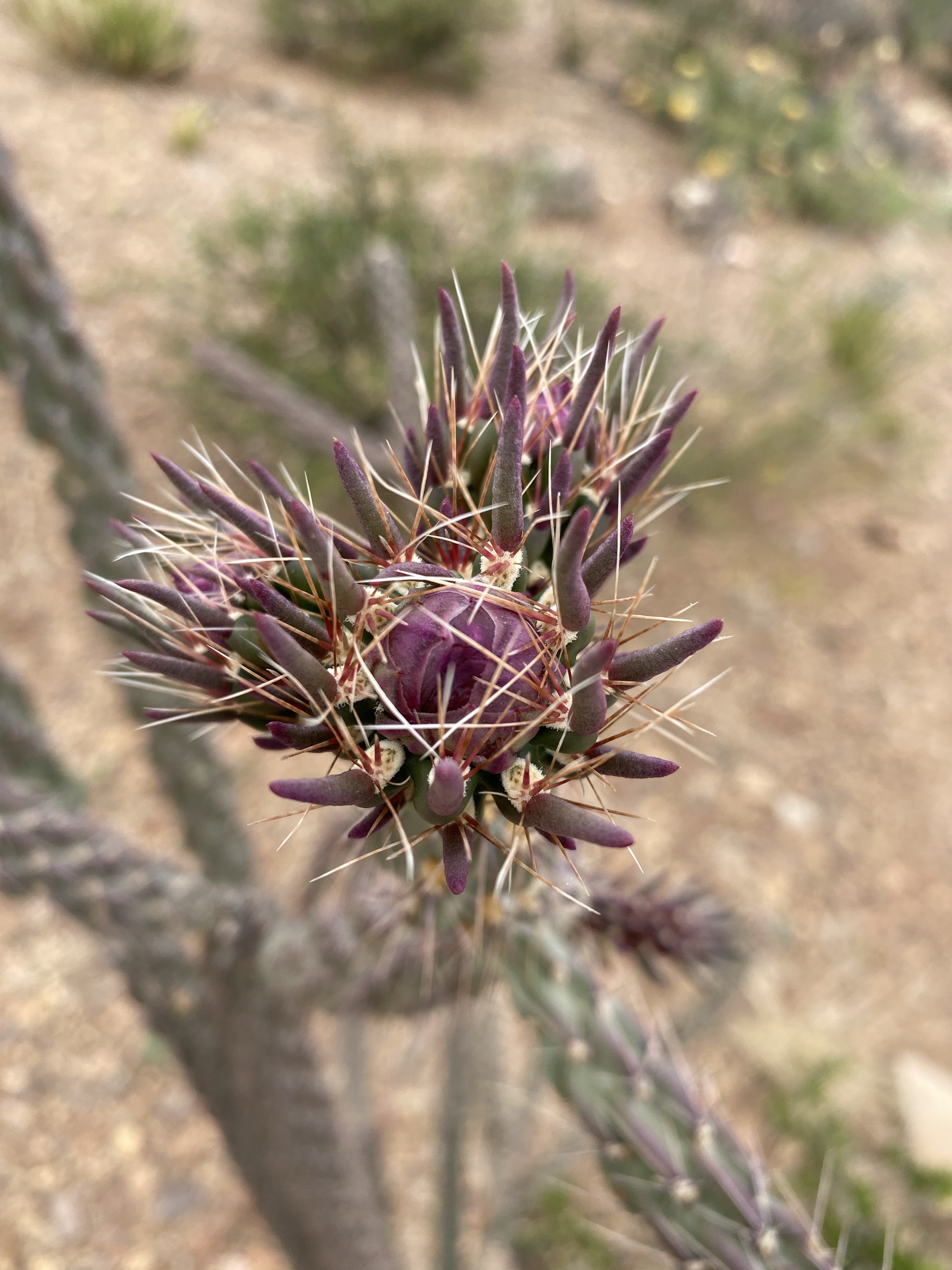
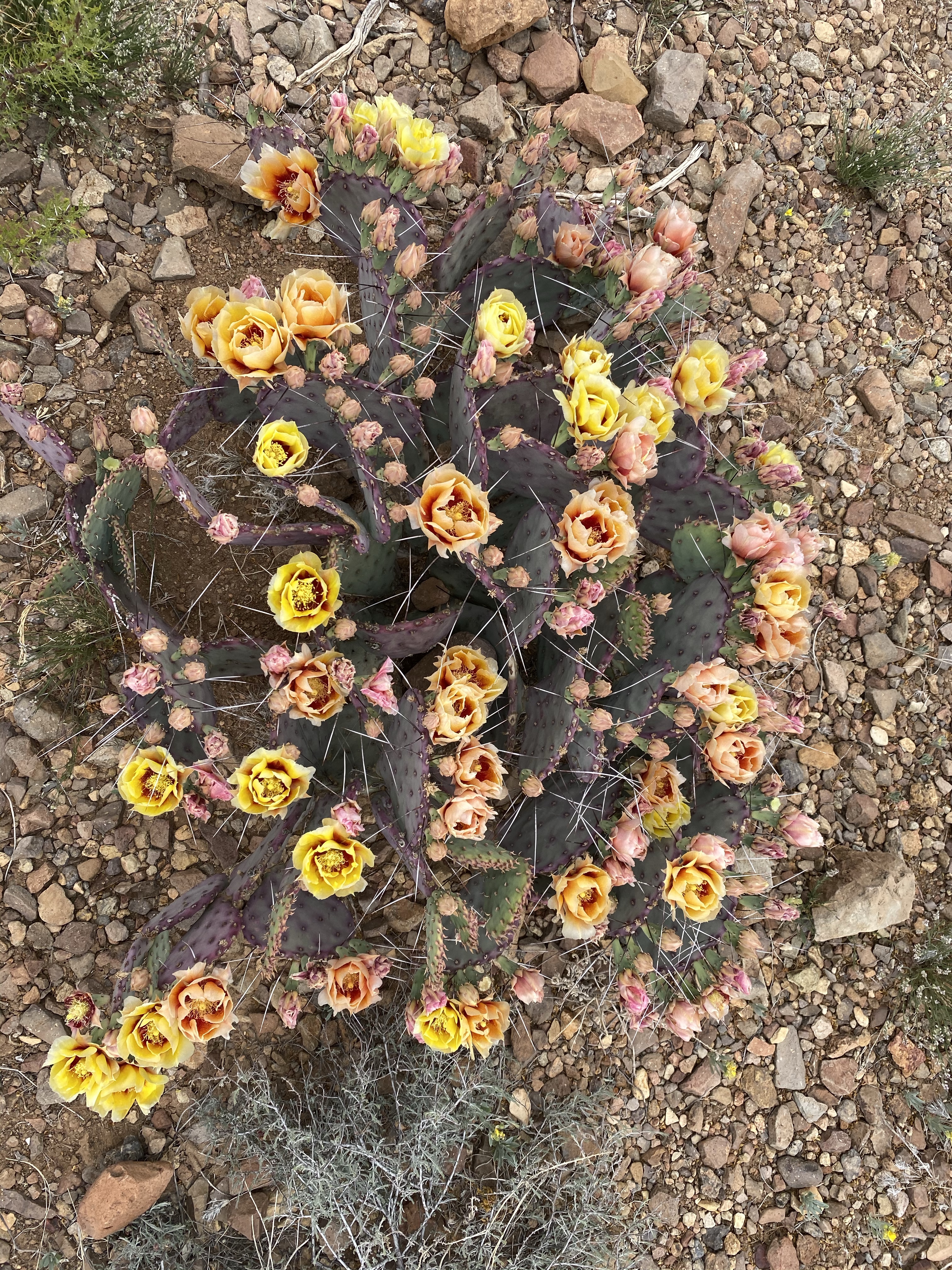
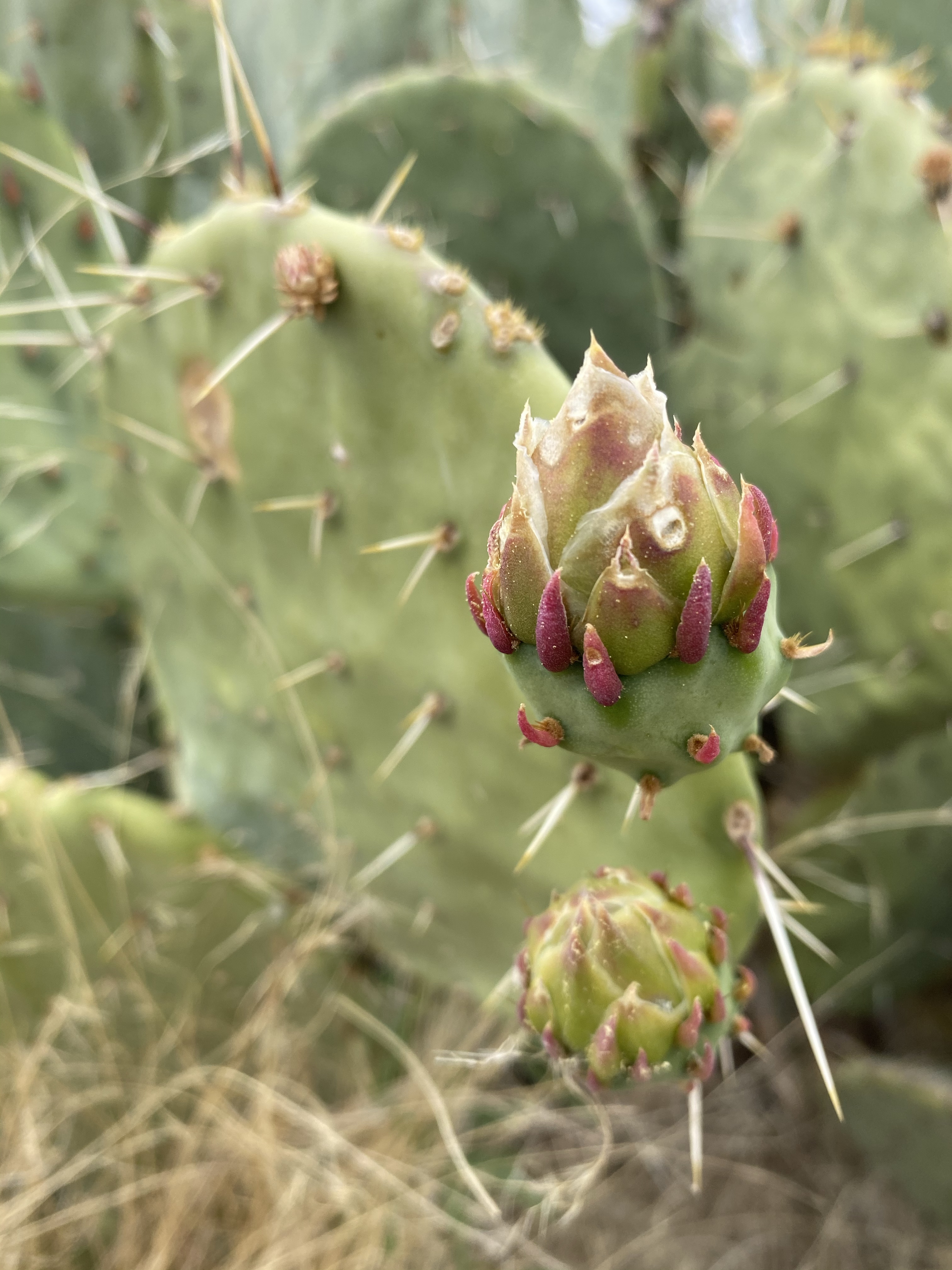
Although there weren’t any yucca blooming, there were plenty of other wildflowers painting the desert landscape, adding pops of color all around. My favorite quickly became the Ocotillo plant, a scraggly spiny collection of sticks ascending from the sandy earth, sprouting little green leaves in some places and brilliant, almost glowing, red flowers at the tips. Oh, they took my breath away that first time and every time since. The prickly pears were a close second favorite, bursting with pink and peach buds that turned buttery yellow when blooming. The false pitaya were also pretty neat, adding some magenta to the floor. The desert is more full of life than we think.
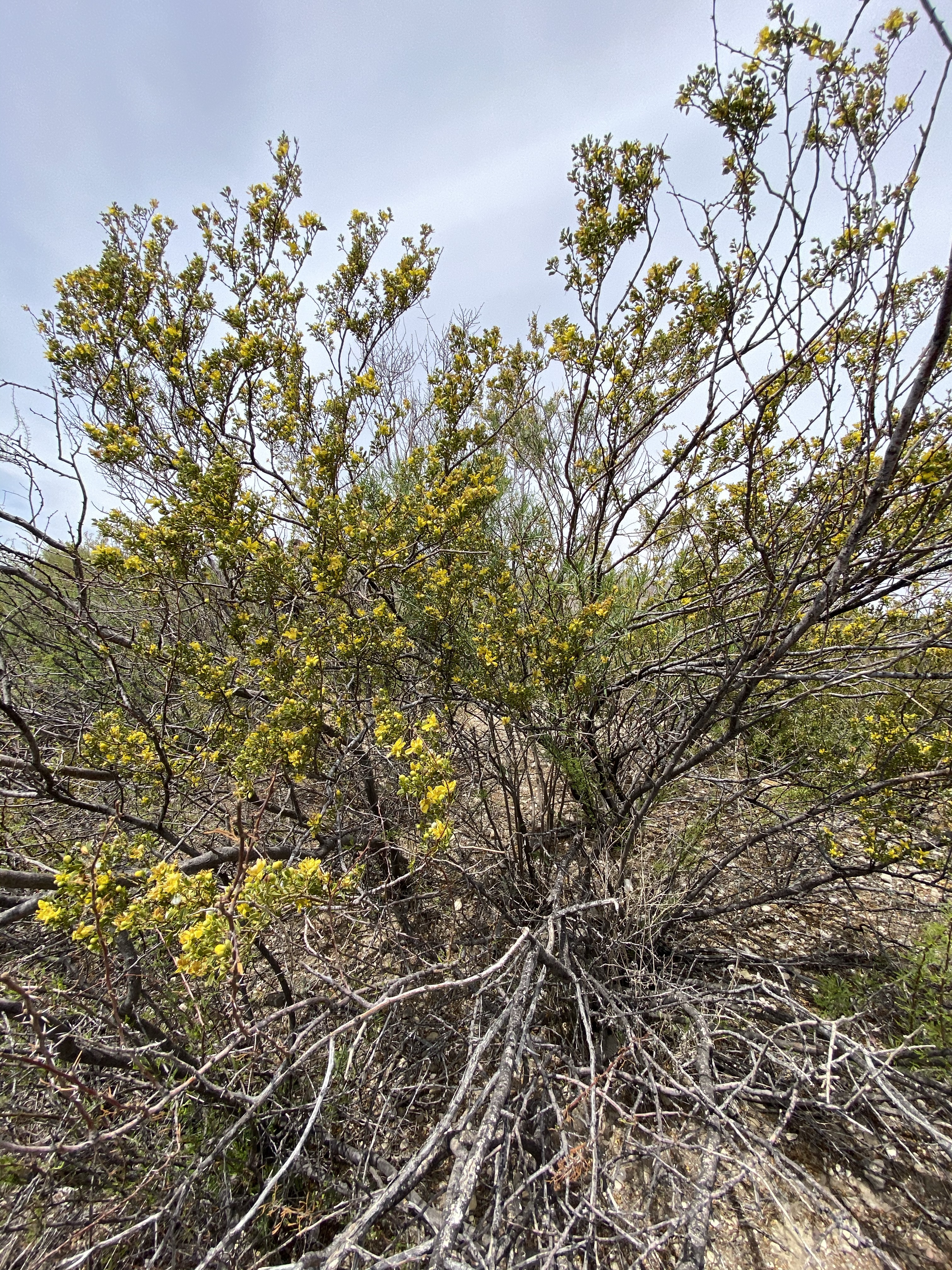
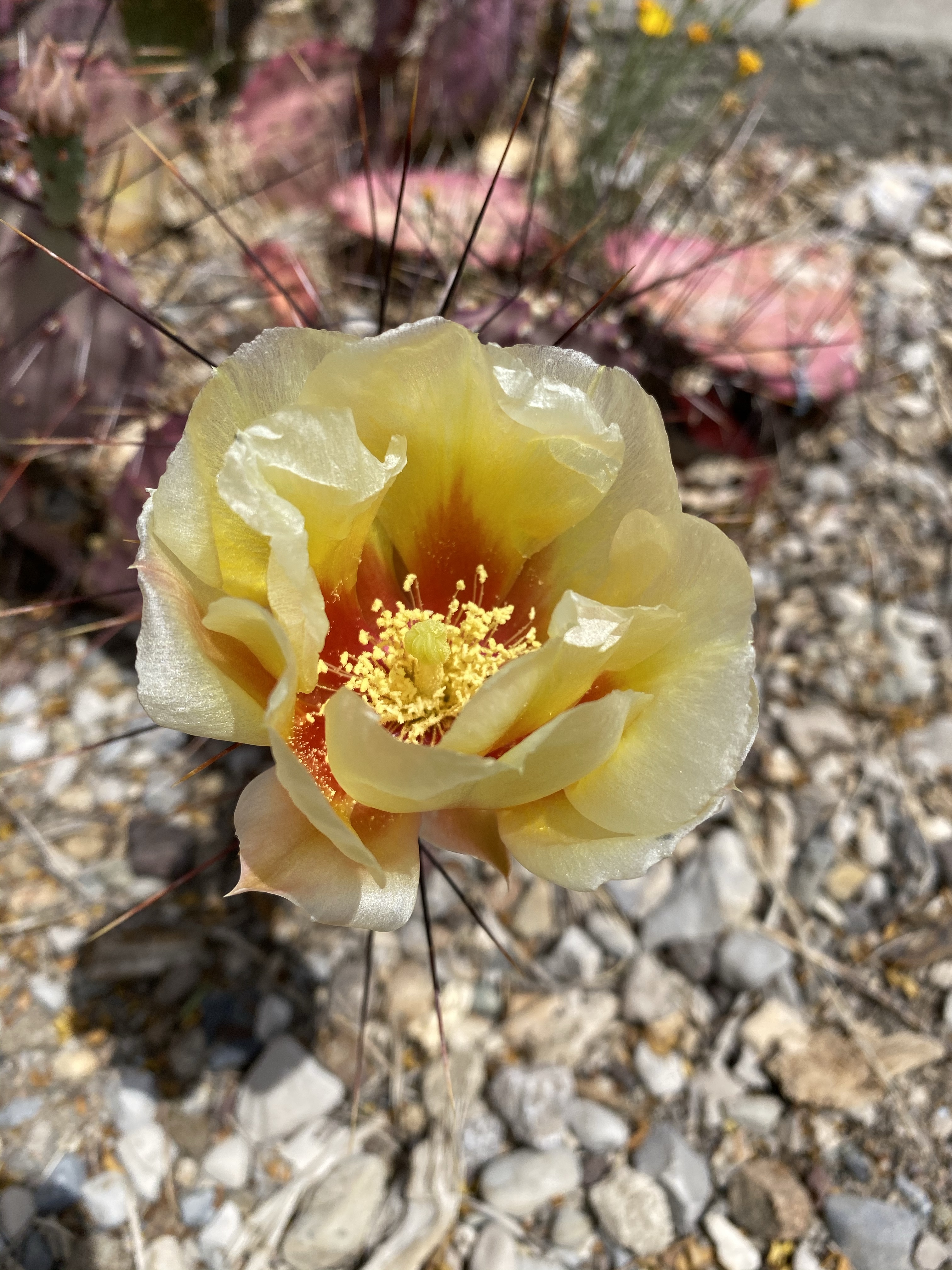
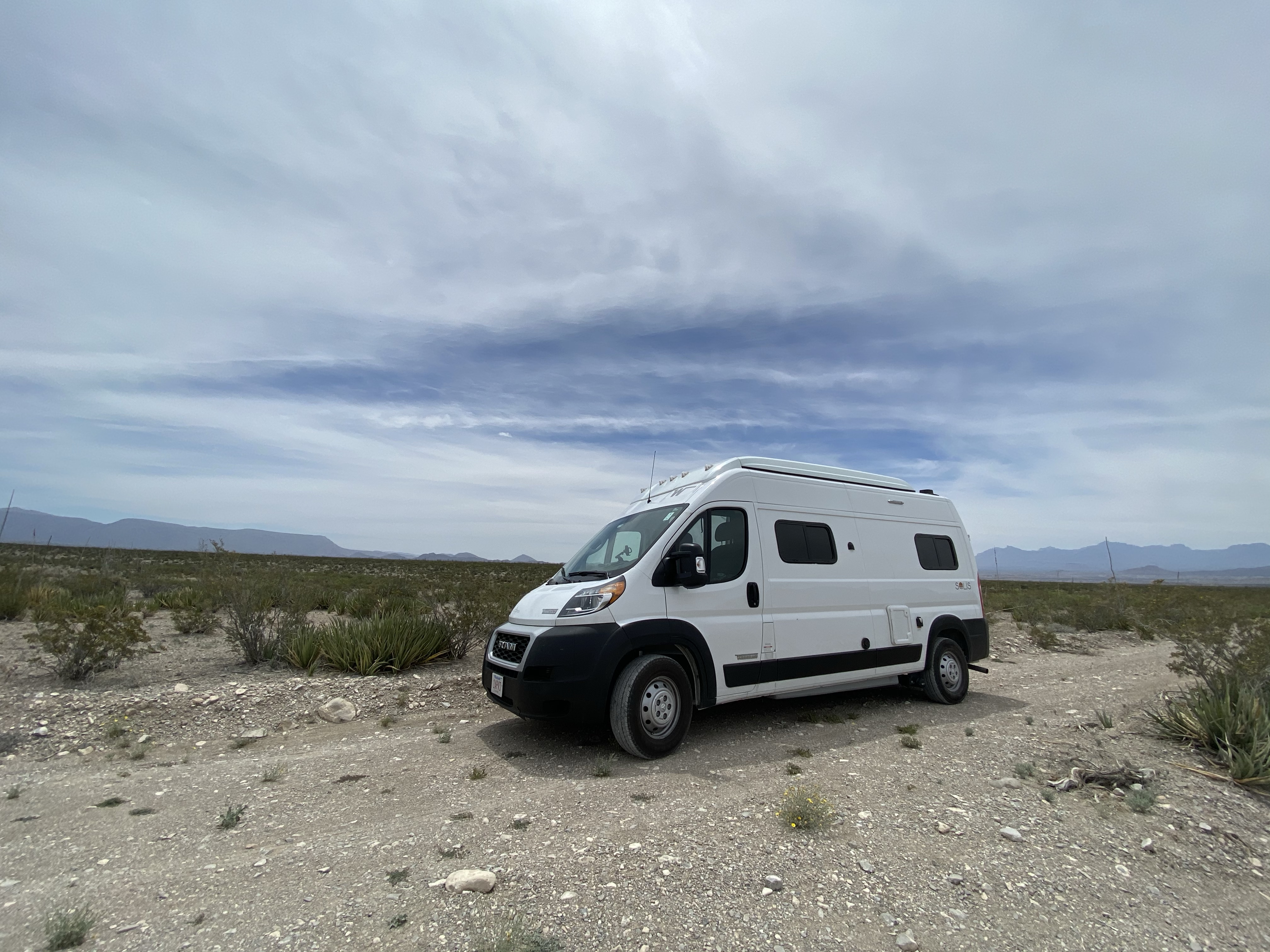
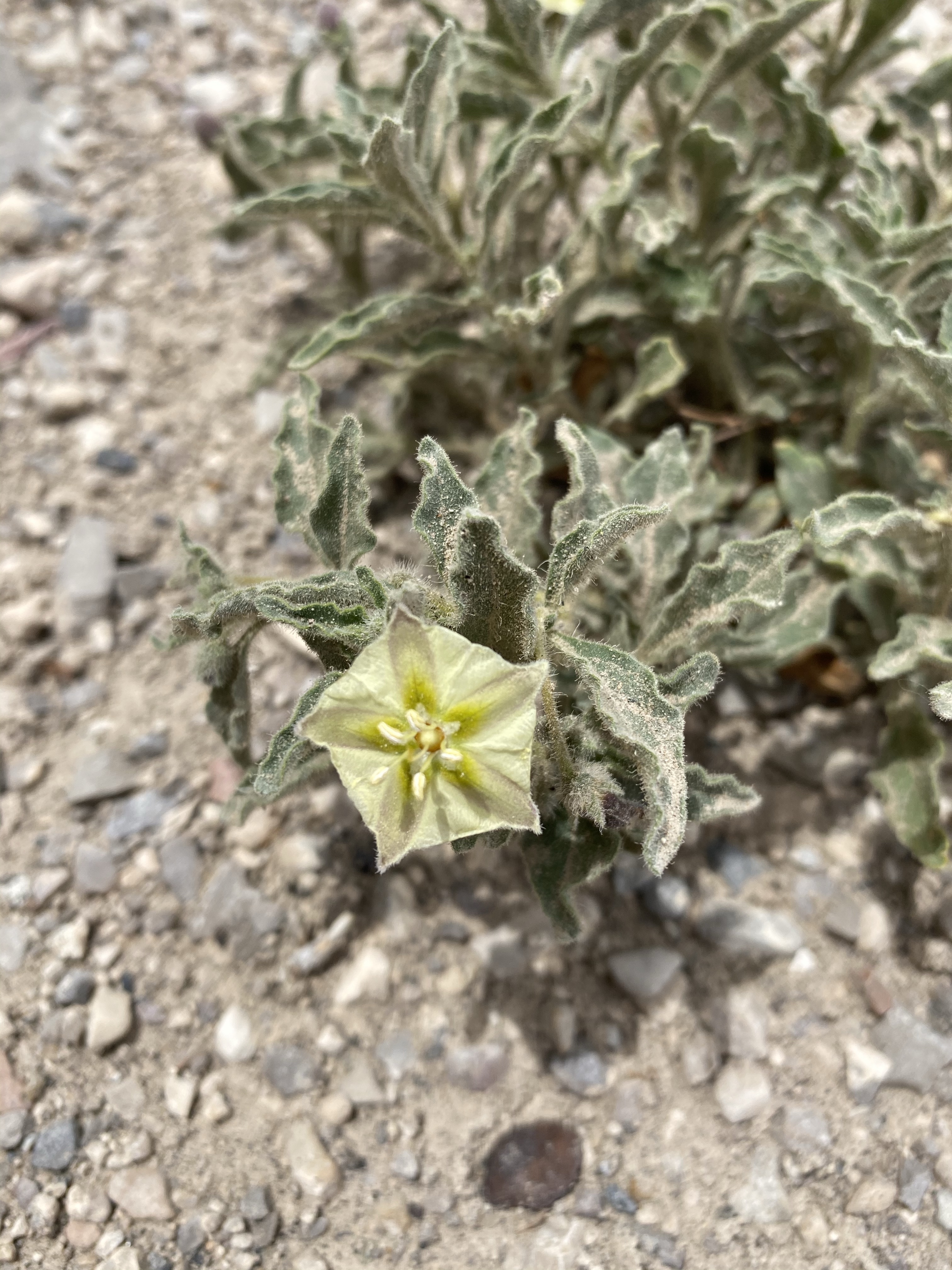
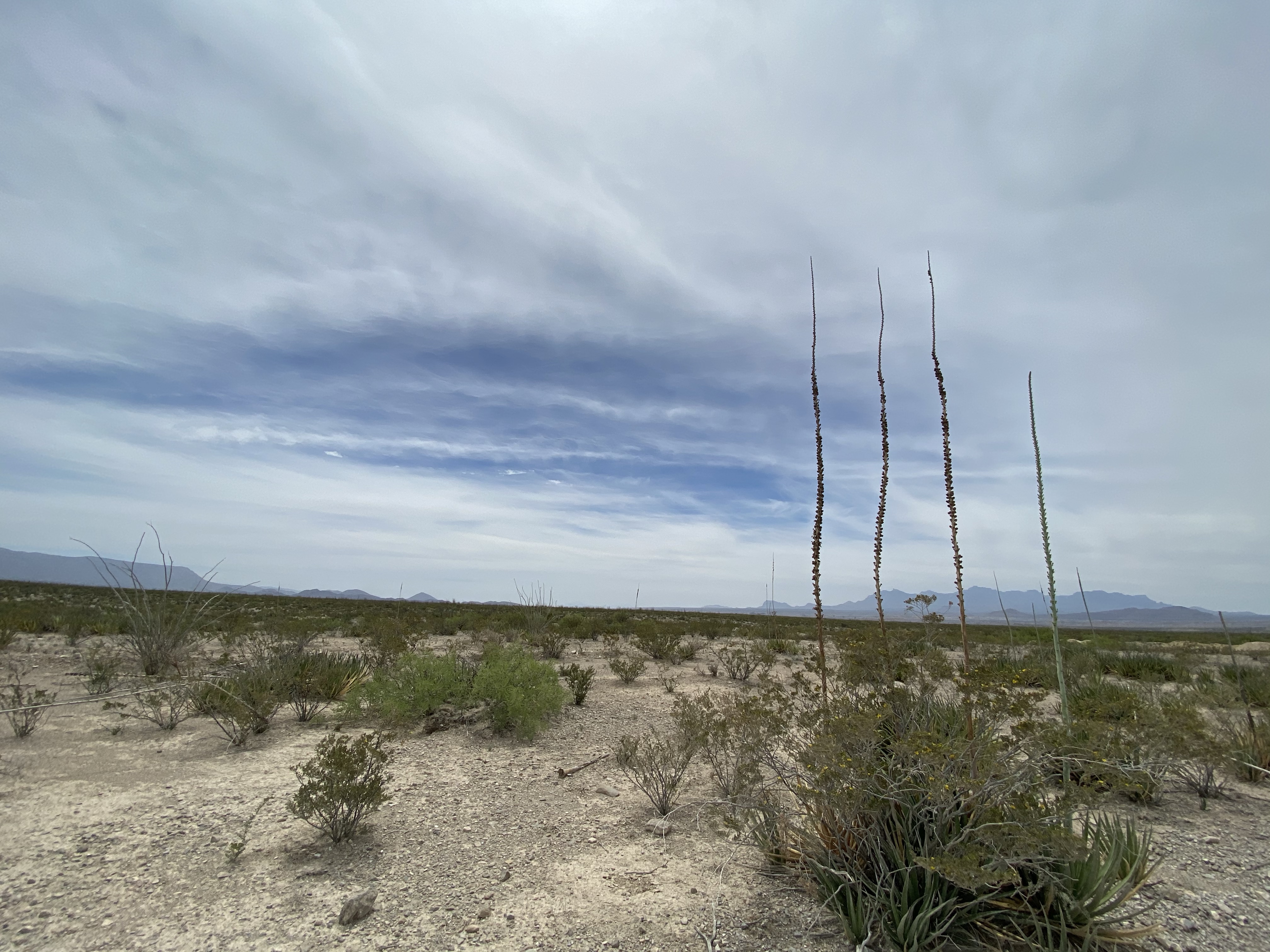
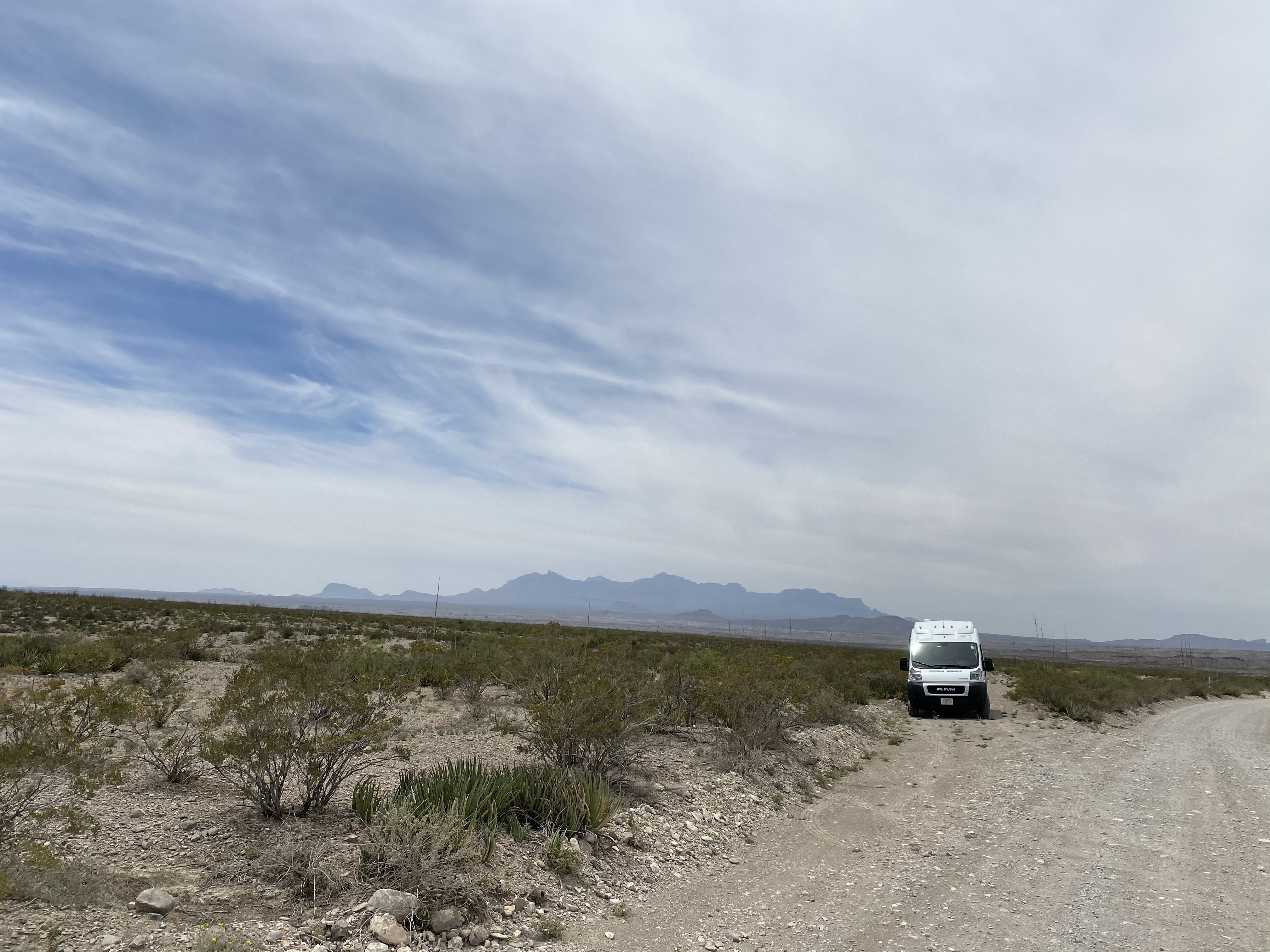
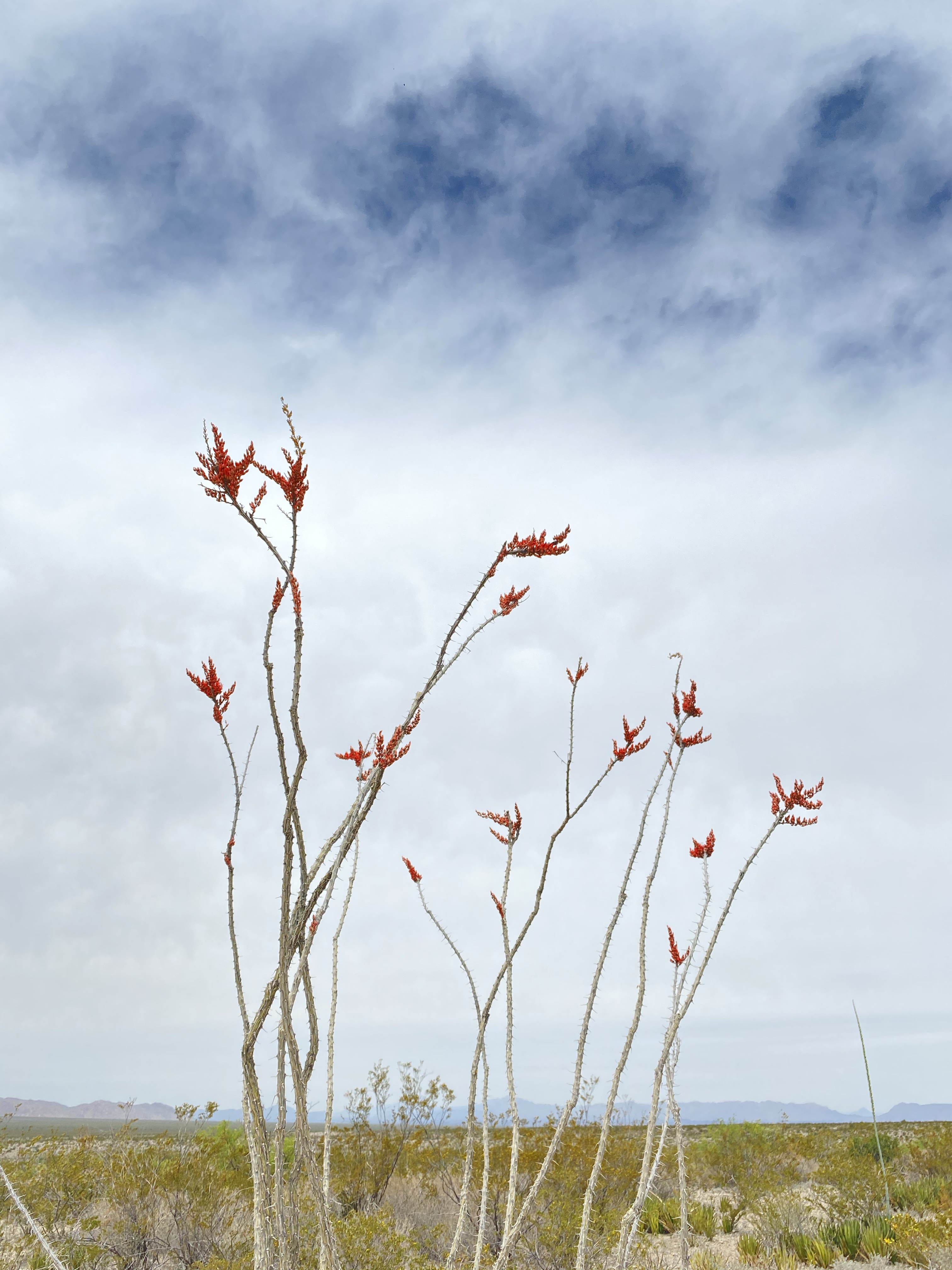
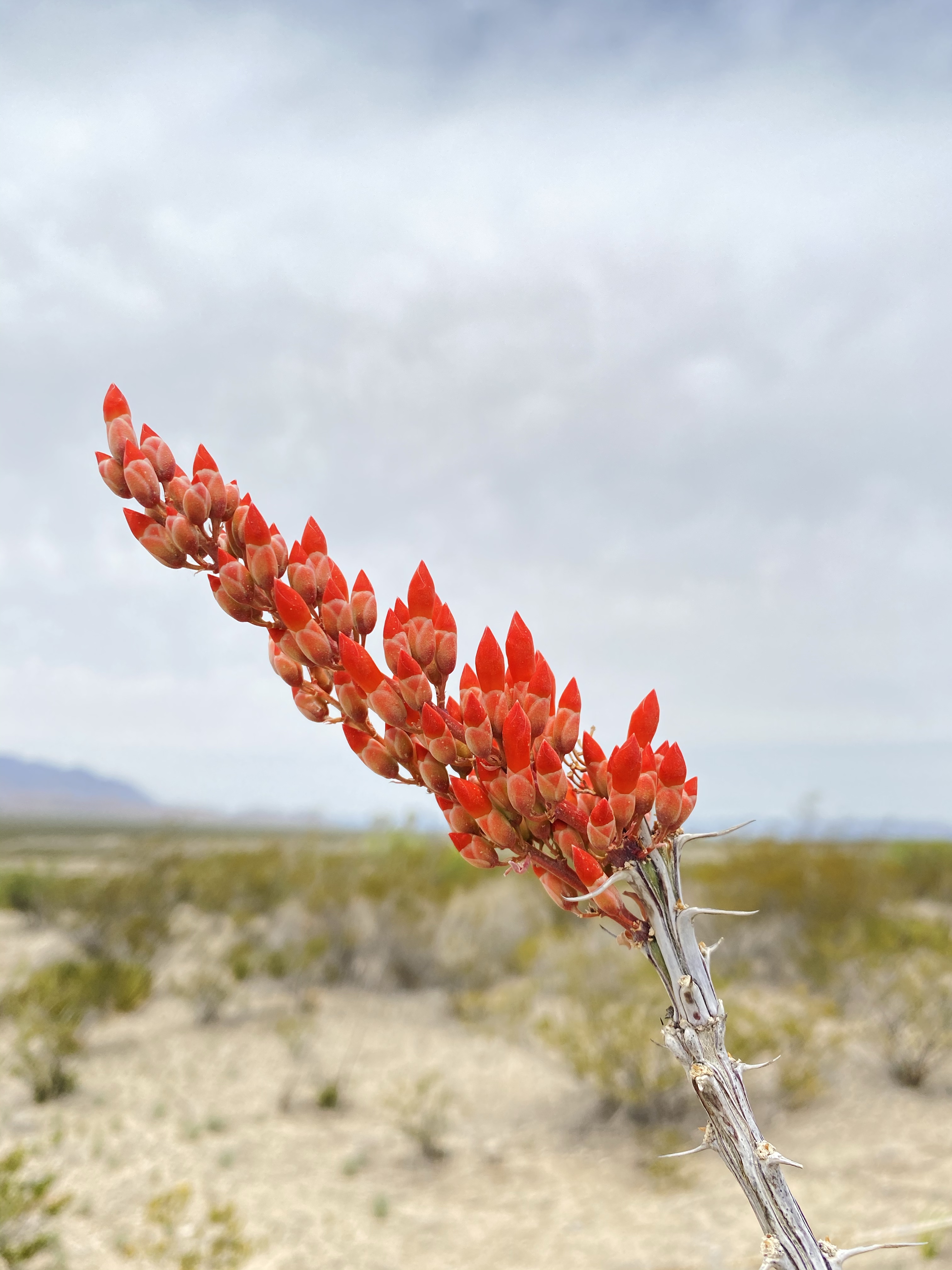
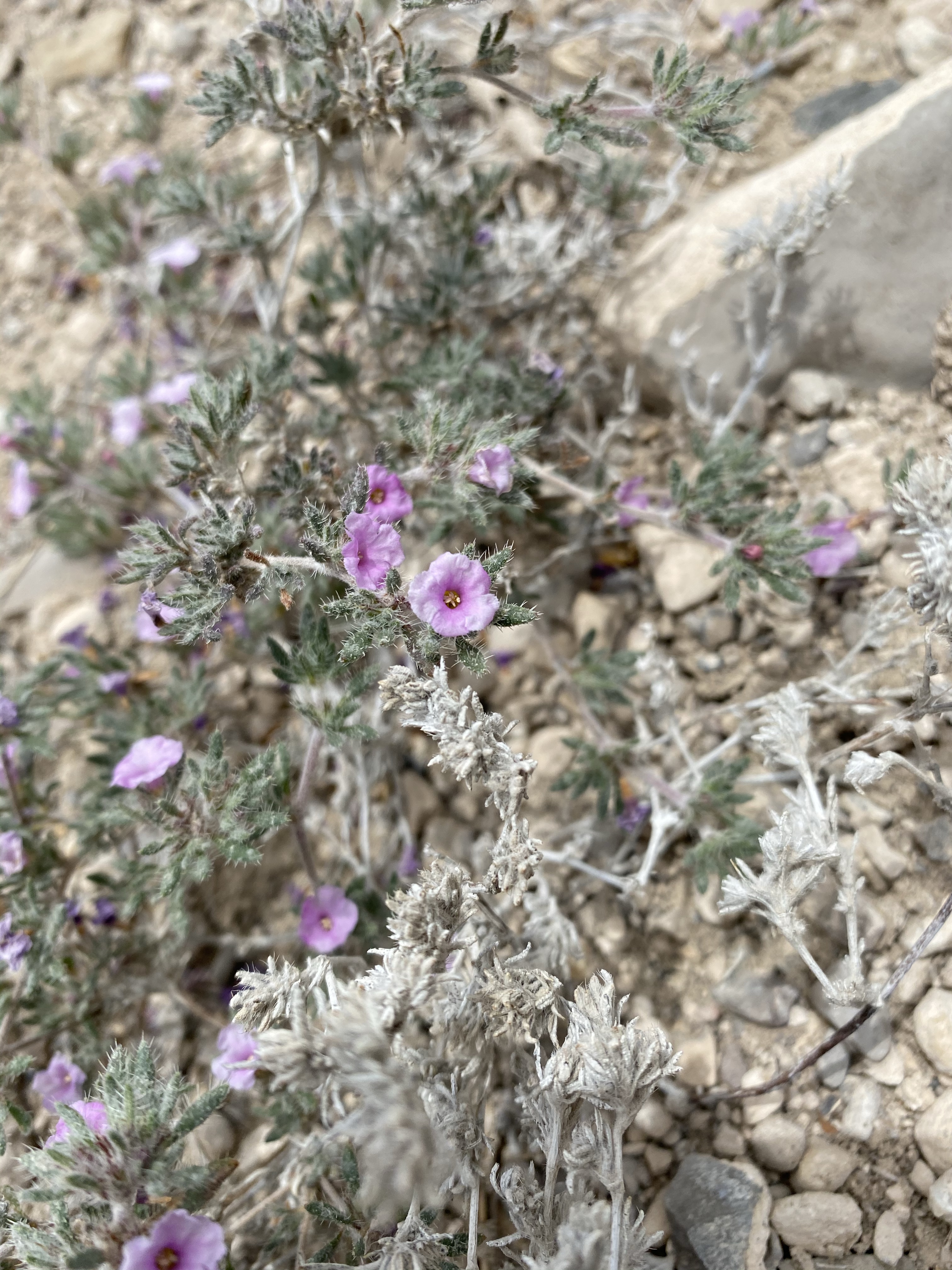
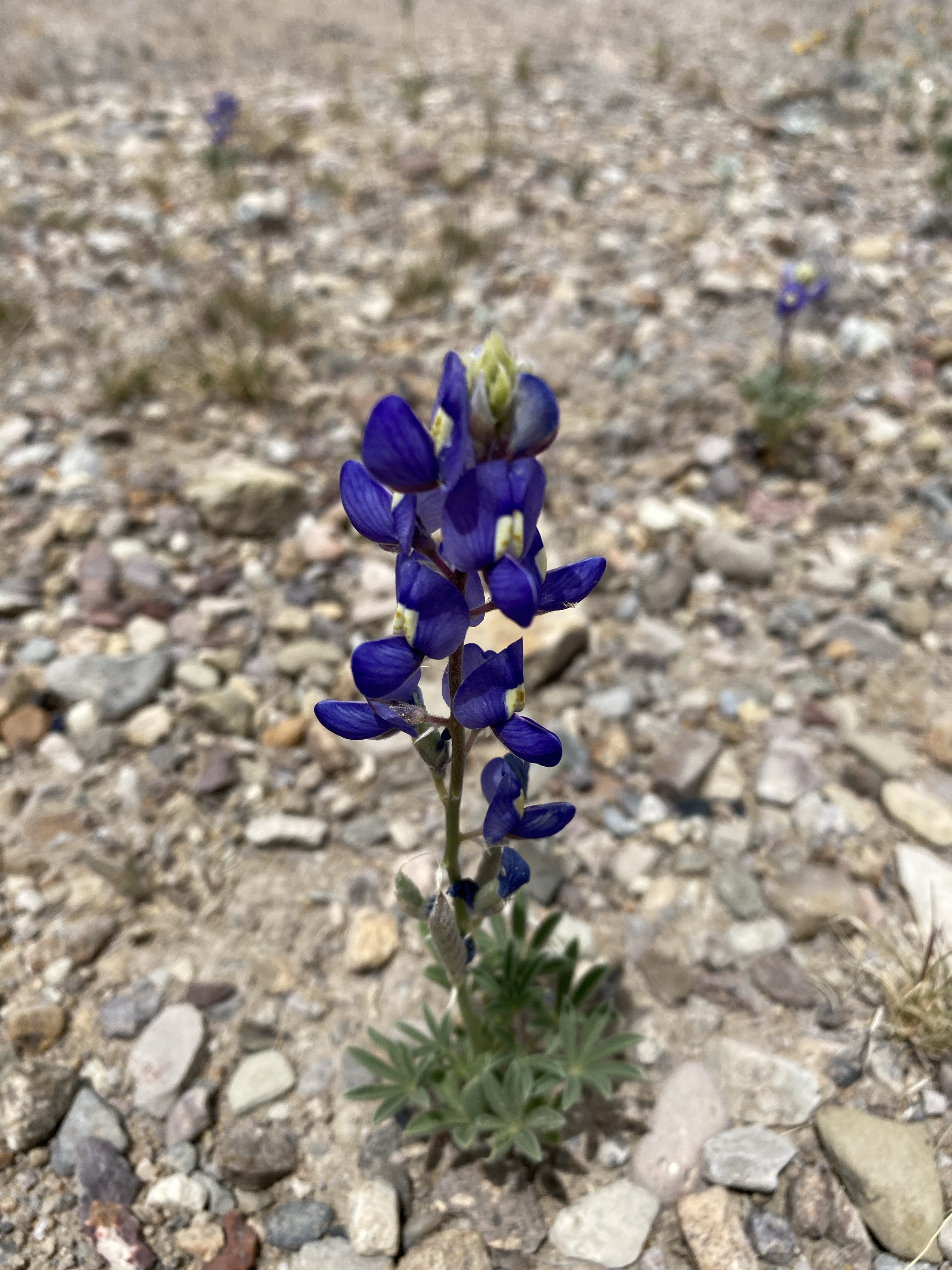
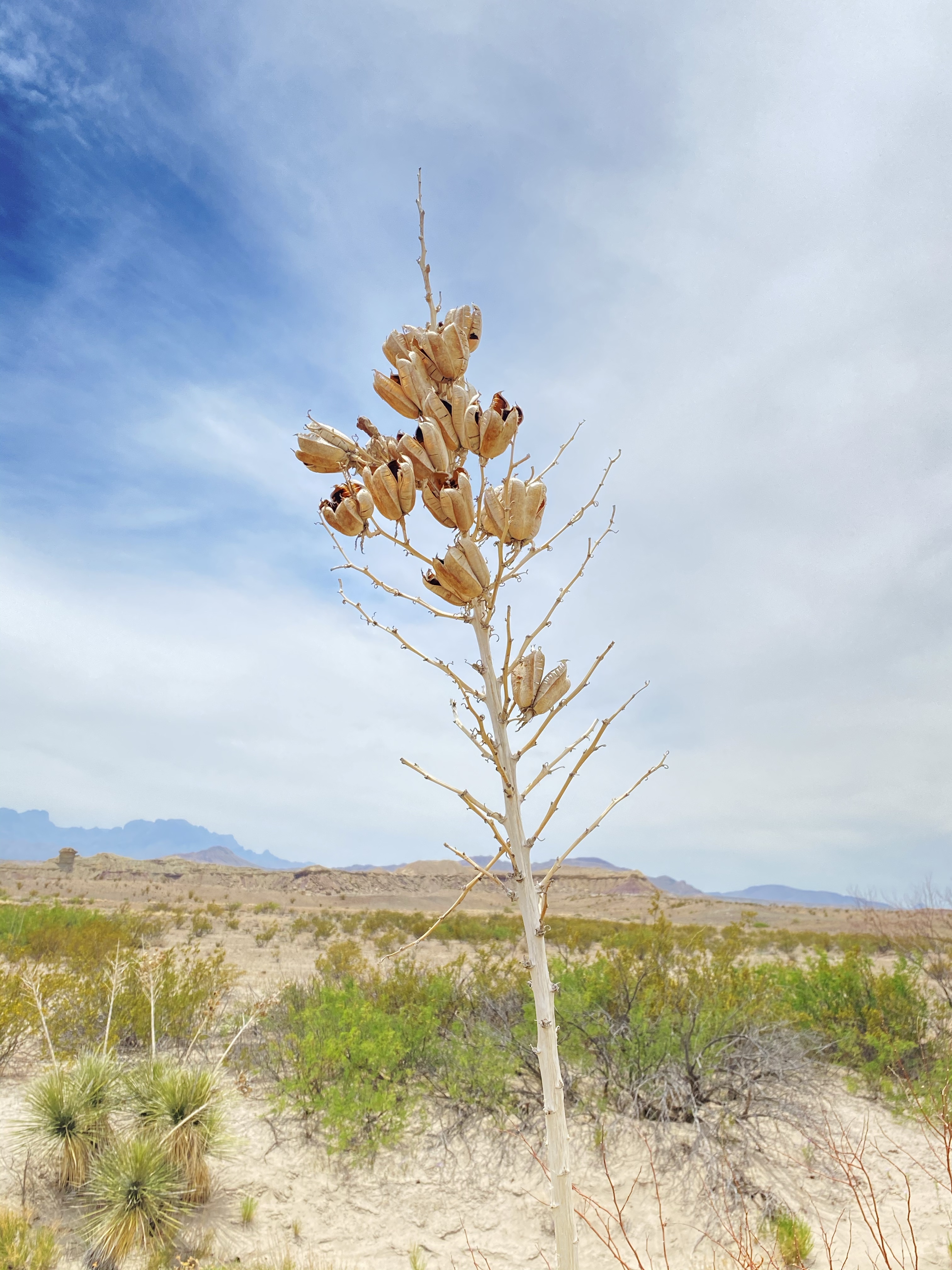
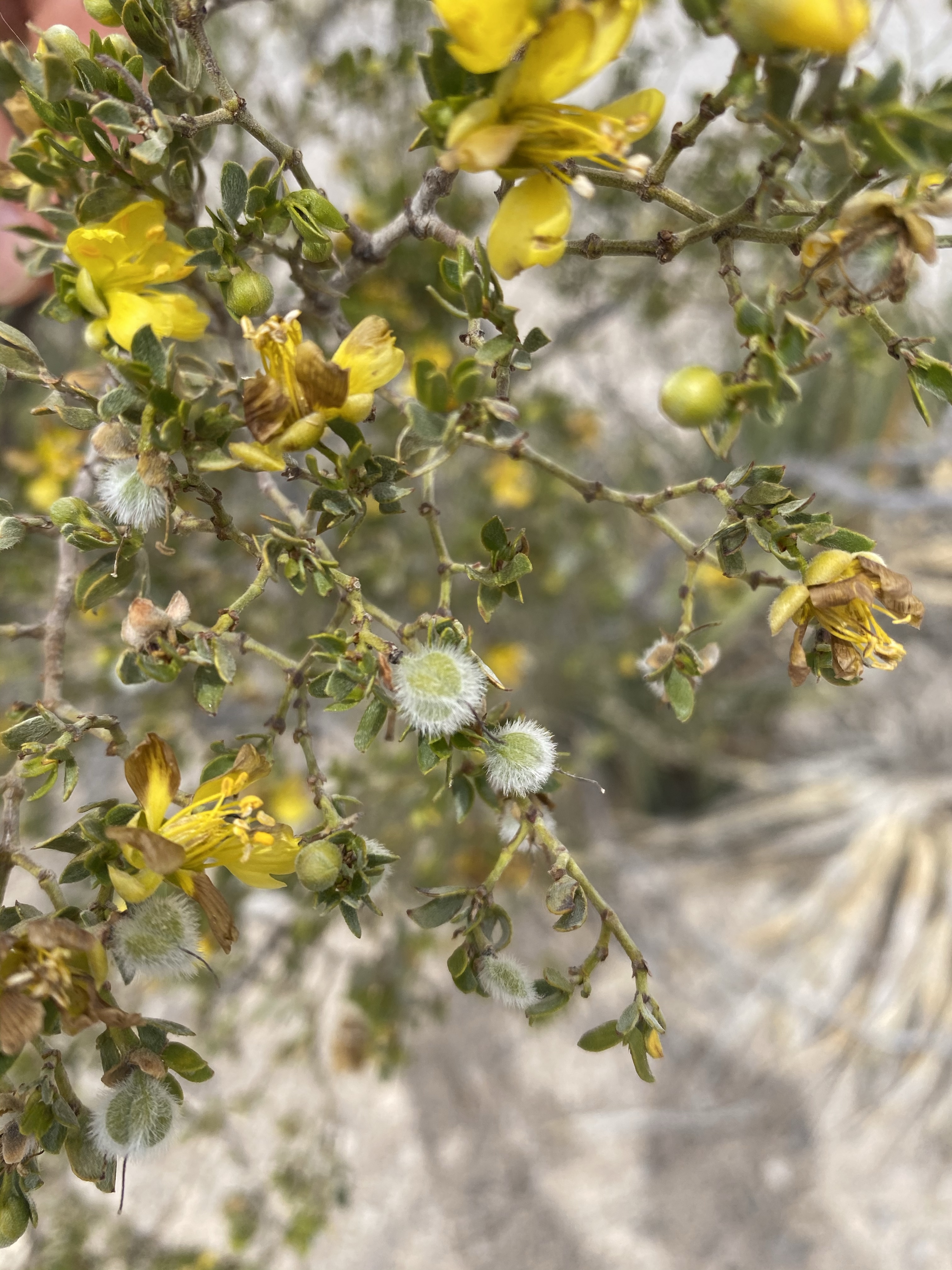
I had to pull myself away from the succulents to continue on to the campground, but I knew I’d spy more later. Next I stopped at the Fossil Discovery Exhibit and learned that Texas was once under water, millions of years ago, and then a marshy swamp before turning into a dessert. This particular part of Texas is a prime location for fossil hunting and the only know location of some ancient creatures like the Bravoceratops.
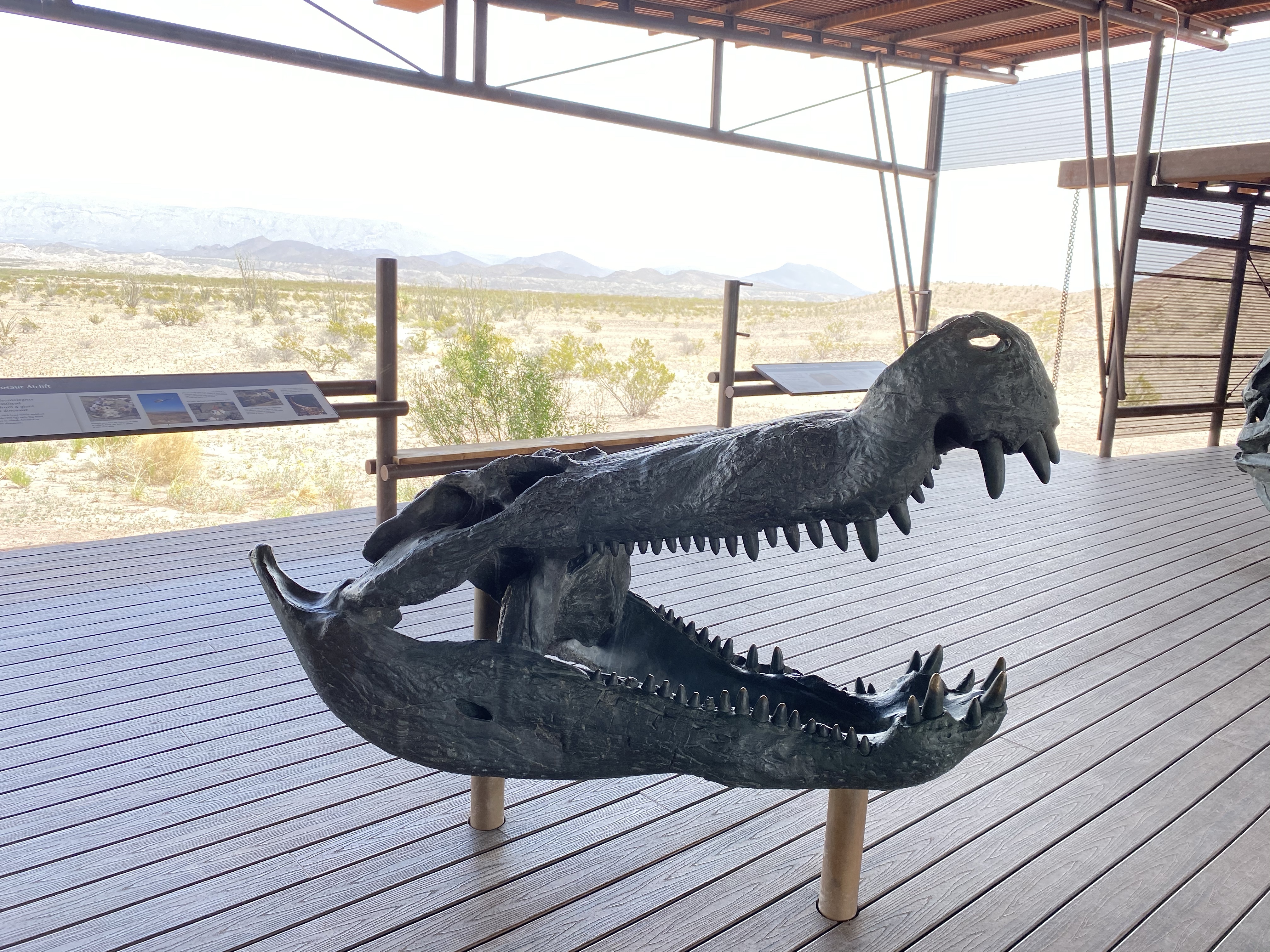
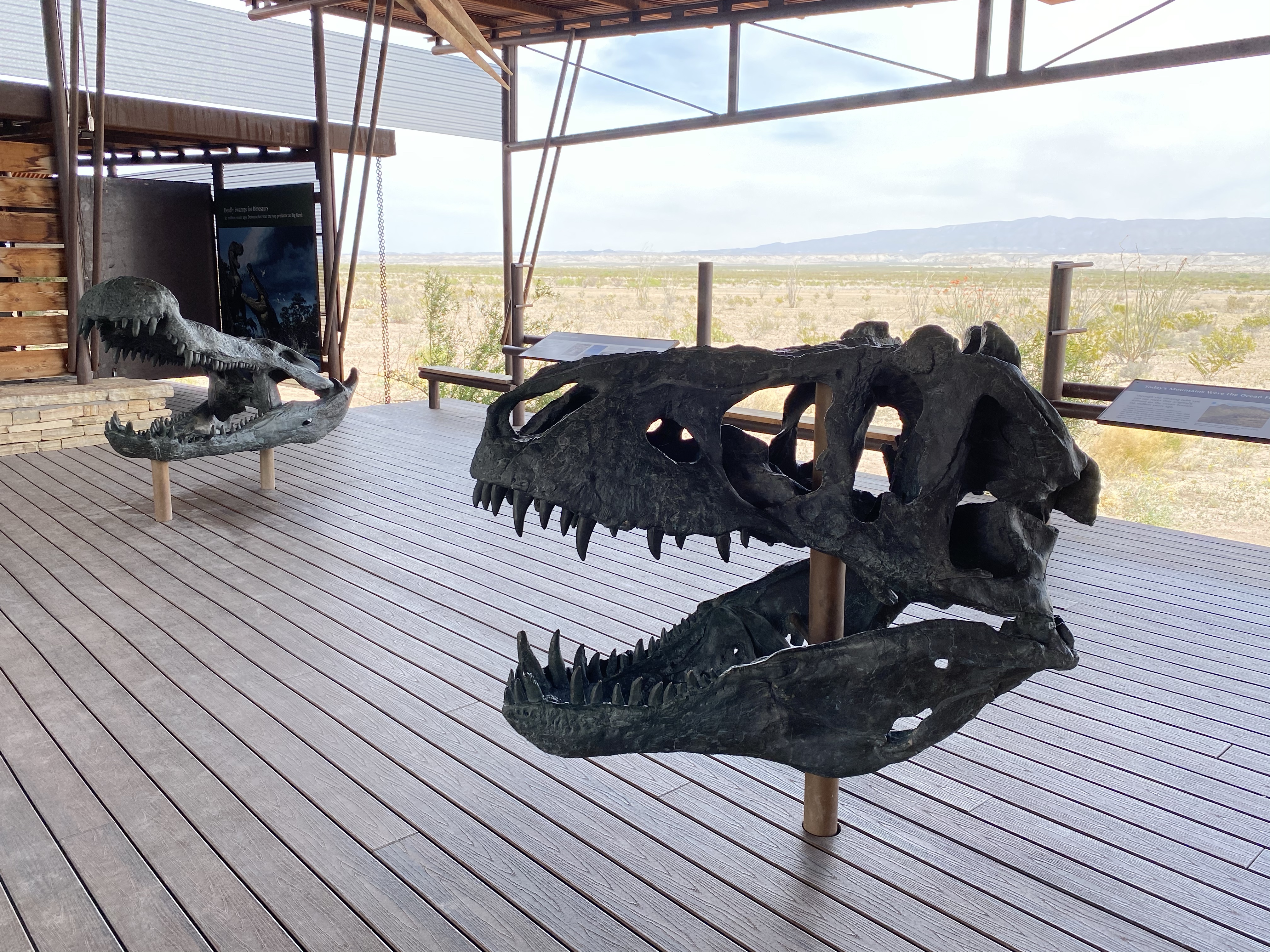
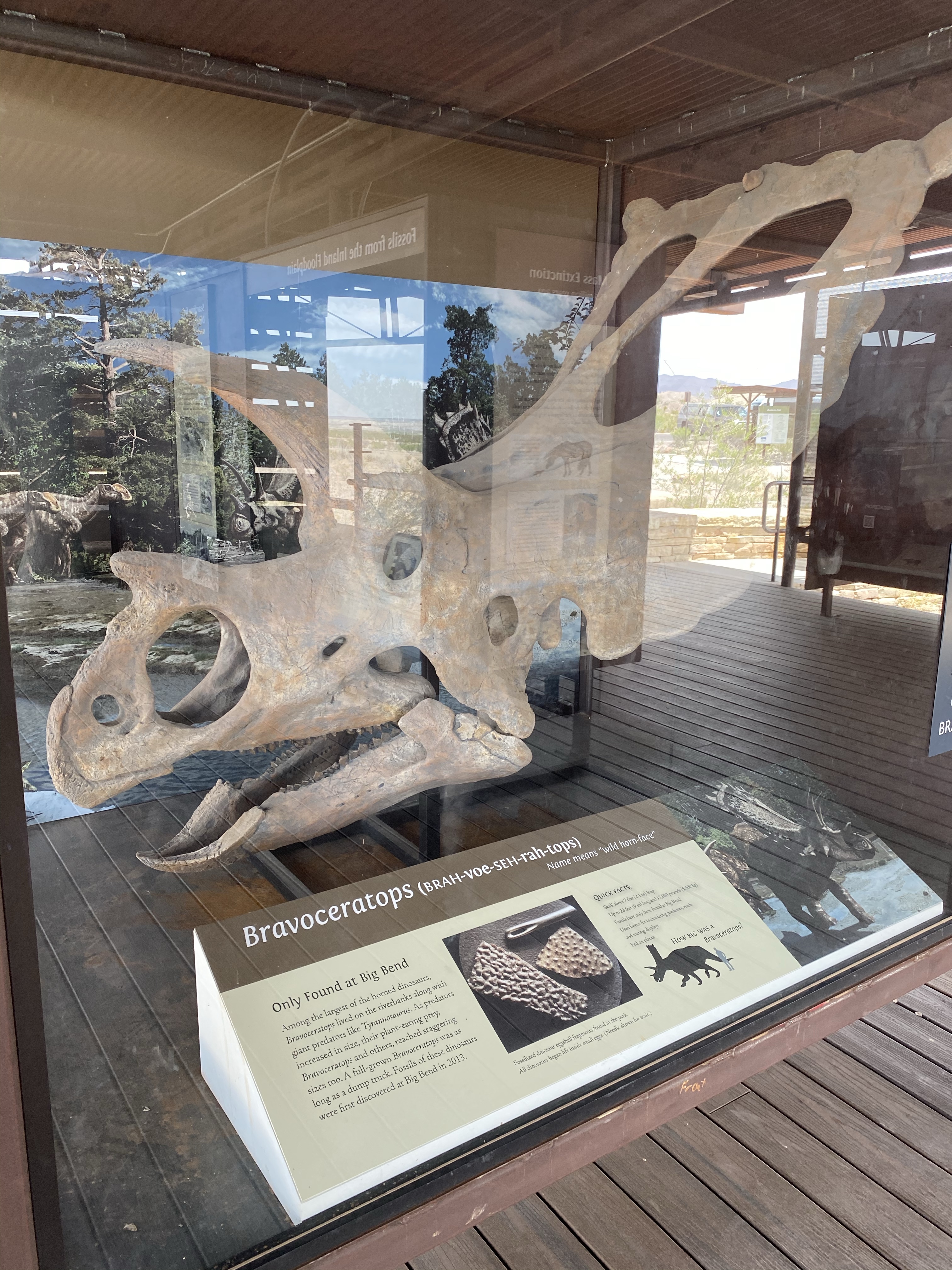
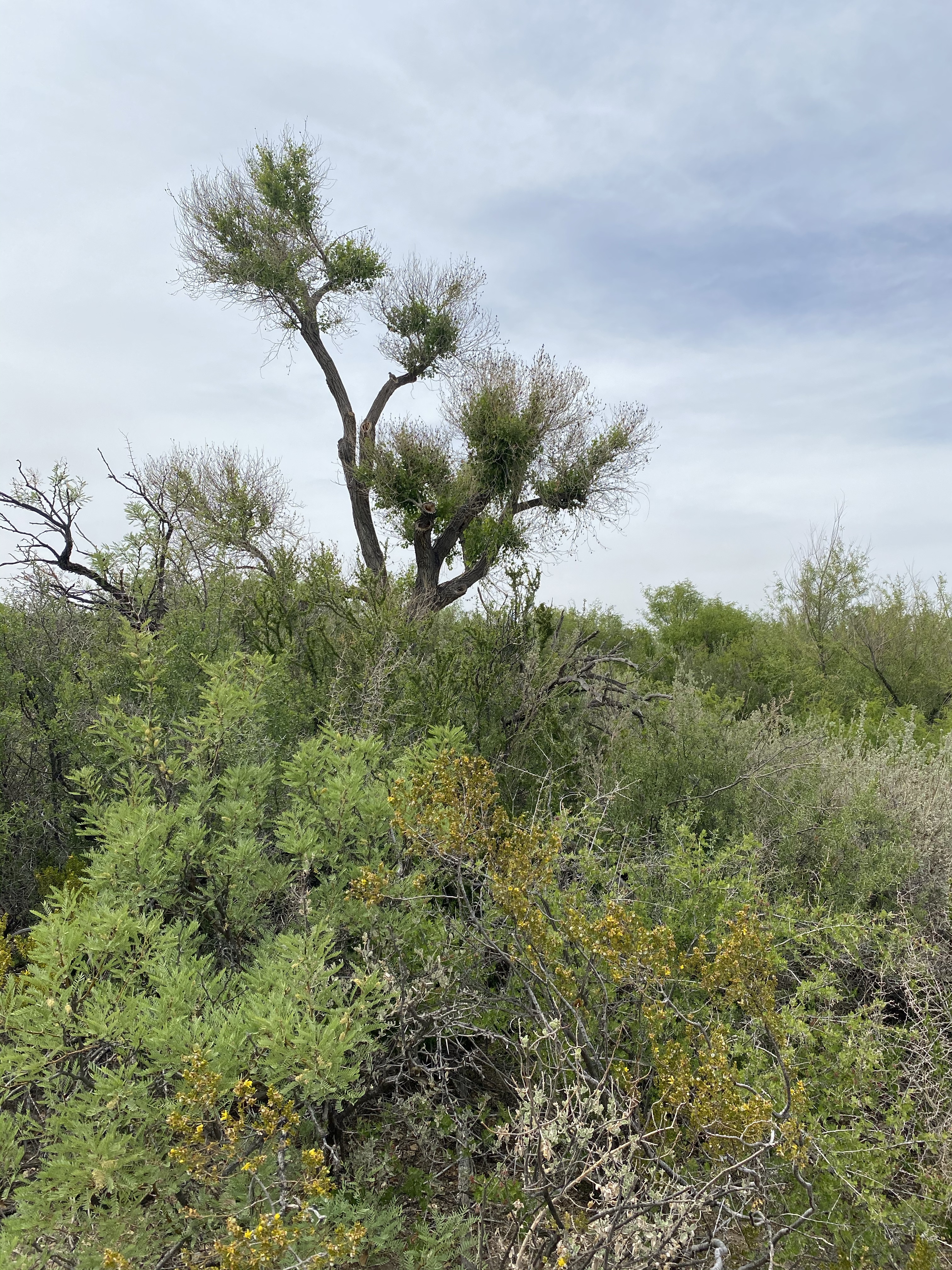
After my geological lesson for the day, I continued on to Dug Out Wells. You are driving along, everything looking spiky, dry, and a bit dusty, then you come upon this lush jungle like area. That means water! Dug Out Wells is a natural spring area, creating the perfect environment for cottonwoods and ferny green bushes and animals and birds that need their protection. A walk through the nature trail felt like I had tele-transported to another land. The desert keeps surprising me.
Shortly I continued on, needing to get to my campsite for dinner. I stopped at a few lookouts, catching my first glimpse of the Rio Grande and the town of Boquillas on the Mexican side. When looking out, all the land looks the same. Borders seem arbitrary and nonexistent, and it reminds me that we are all people sharing this land. We are all humans.
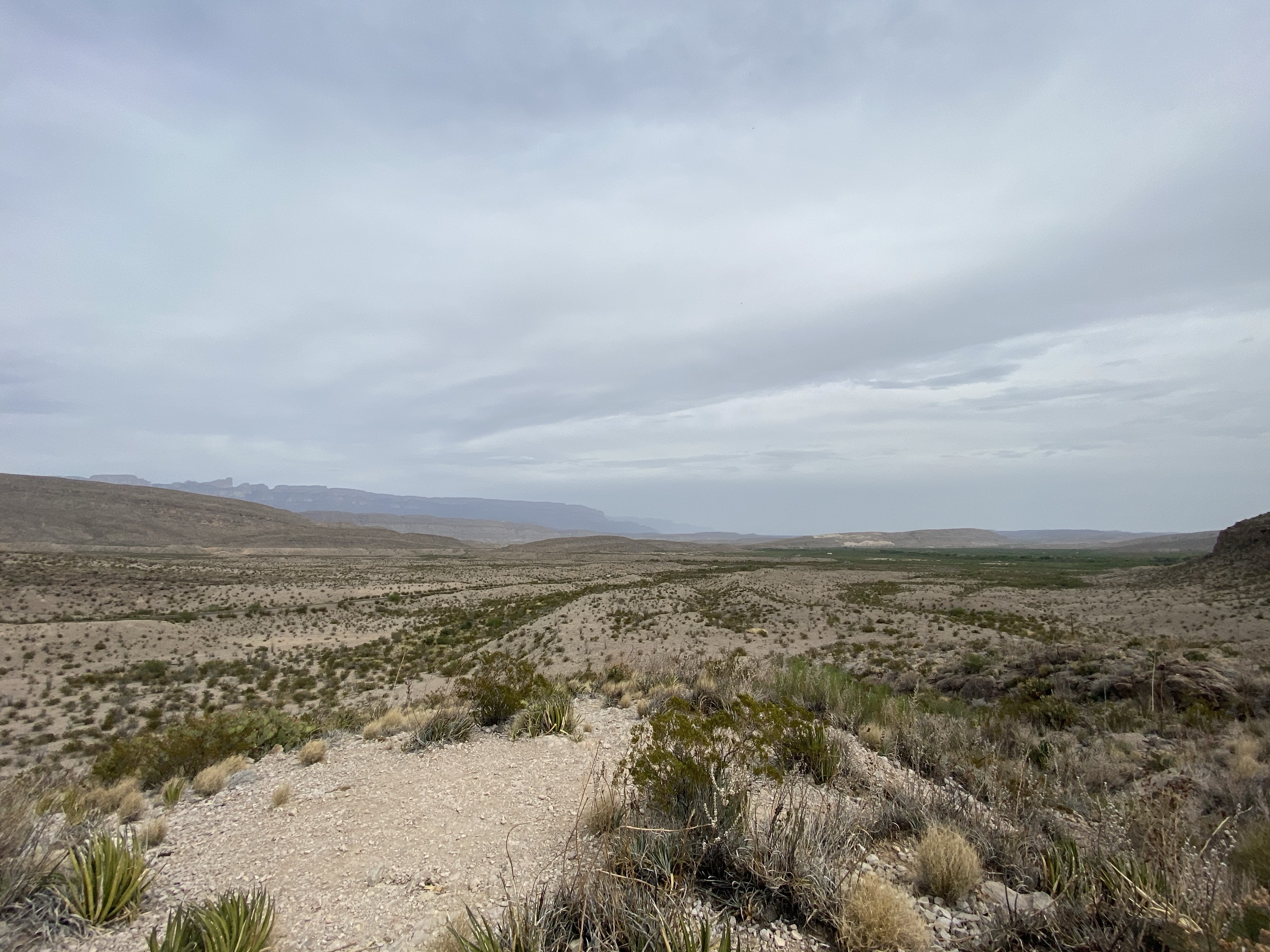
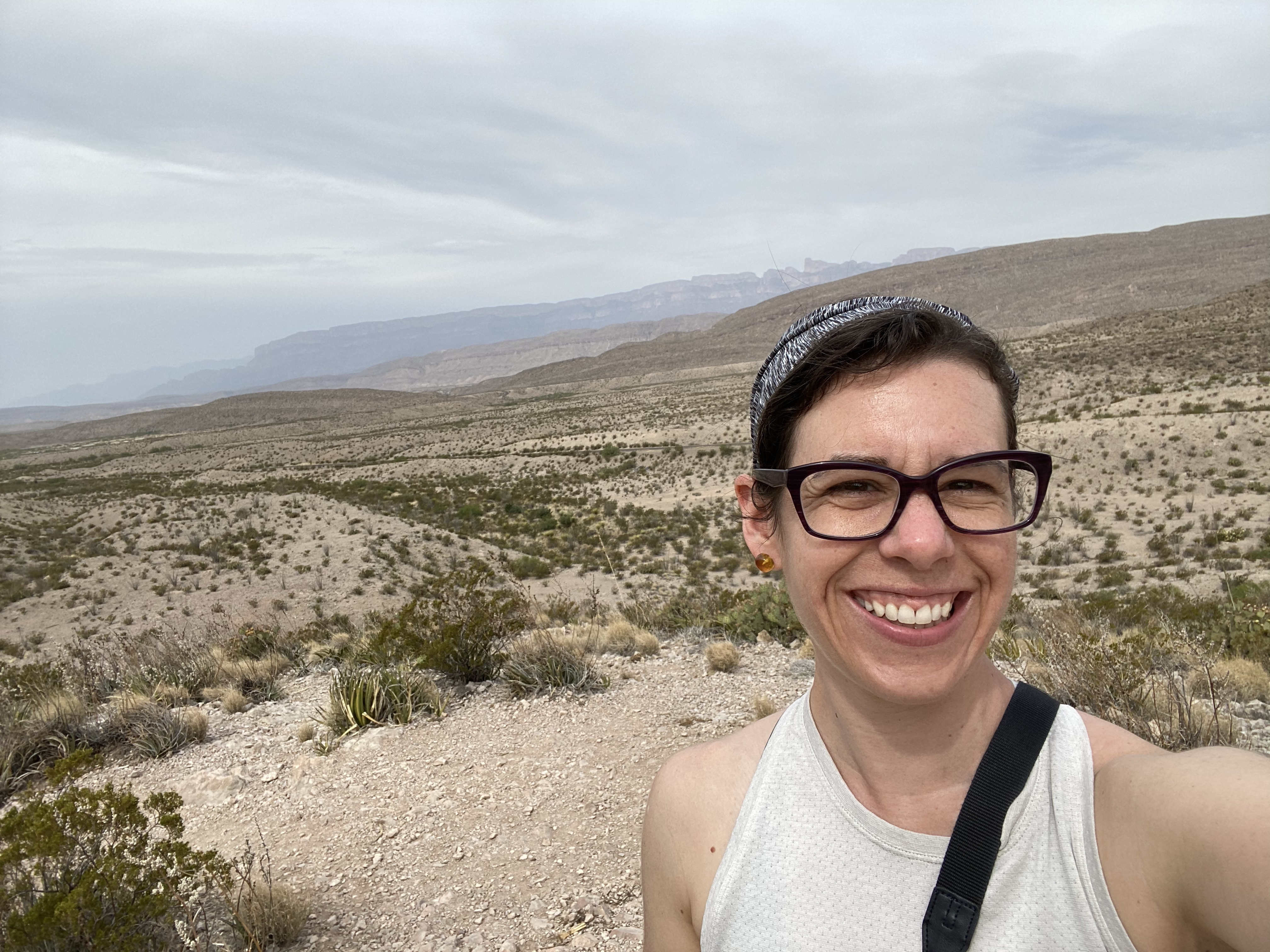
Right after that moment of reflection, I rolled into the campground, ready to settle in for the night. The location wasn’t anything special, really just a parking lot, but it would give me access to 800,000 acres of protected land to explore over the next several days.
And okay, you probably know me well enough by now, I couldn’t sit still long. The days stretch on, light until 8:30, 9PM. And with highs of 90s and 100s during the day, the heat takes a while to dissipate. So after dinner, I walked over to the Rio Grande Nature Trail and climbed up to the lookout to watch sunset.
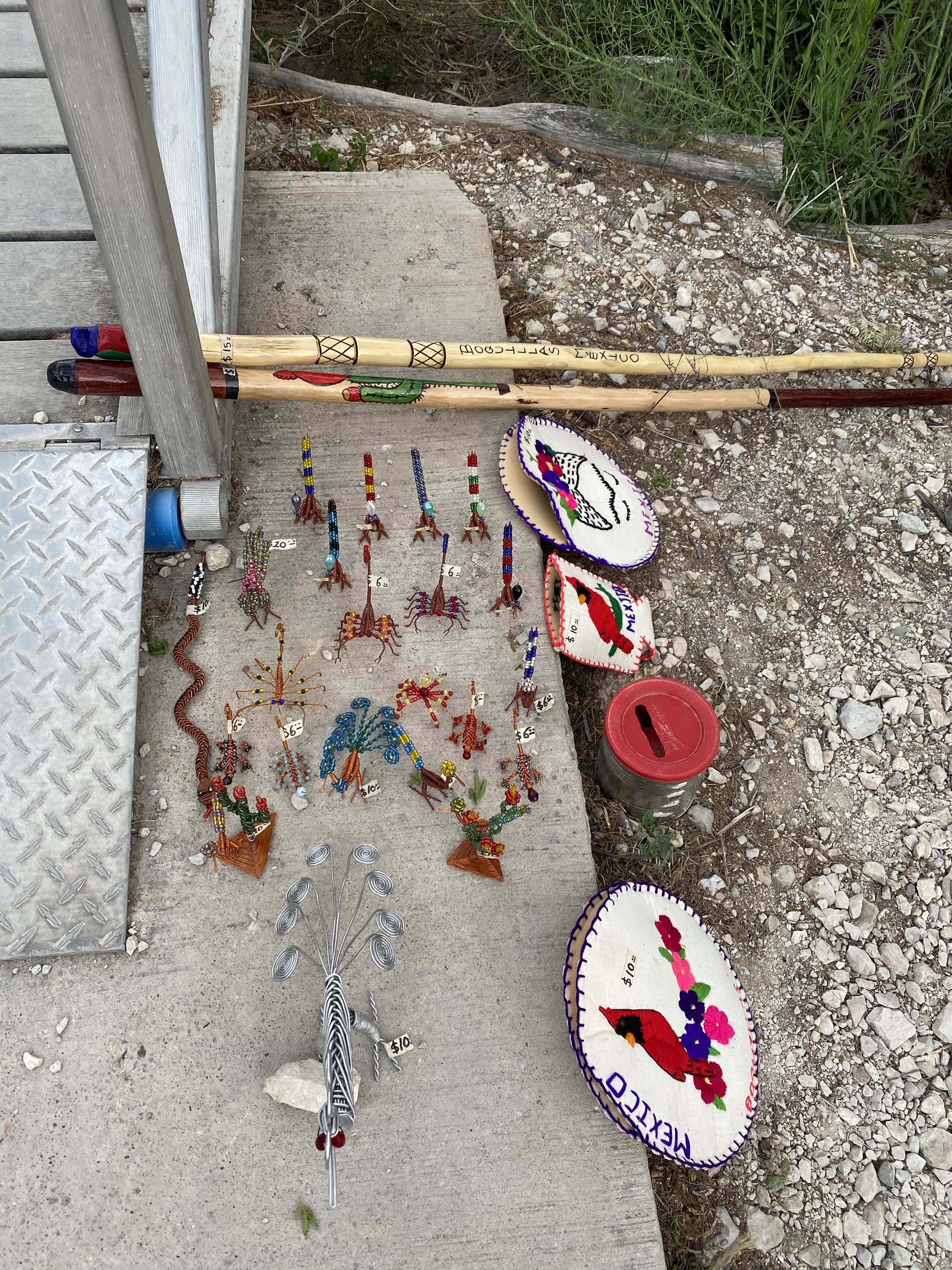
Along my walk, hand crafted figurines and cloth items popped up in clusters here and there. A few at the foot of the bridge, a few more at the turn to the lookout, several more at the summit. Each with a sign and donation can. Goods made by the people in Boquillas, Mexico, for sale as a way to support their family and community. With the border crossing attraction in the park closed due to COVID, the community is suffering and struggling to find ways to make a living. So they take a risk, walk or paddle across the Rio, and leave their creations for people to buy. Then they come back that evening and collect their earnings. I didn’t have any cash that night, but I made a note to come back. Like I said before, we are all humans and need to help each other out. At least I believe so.

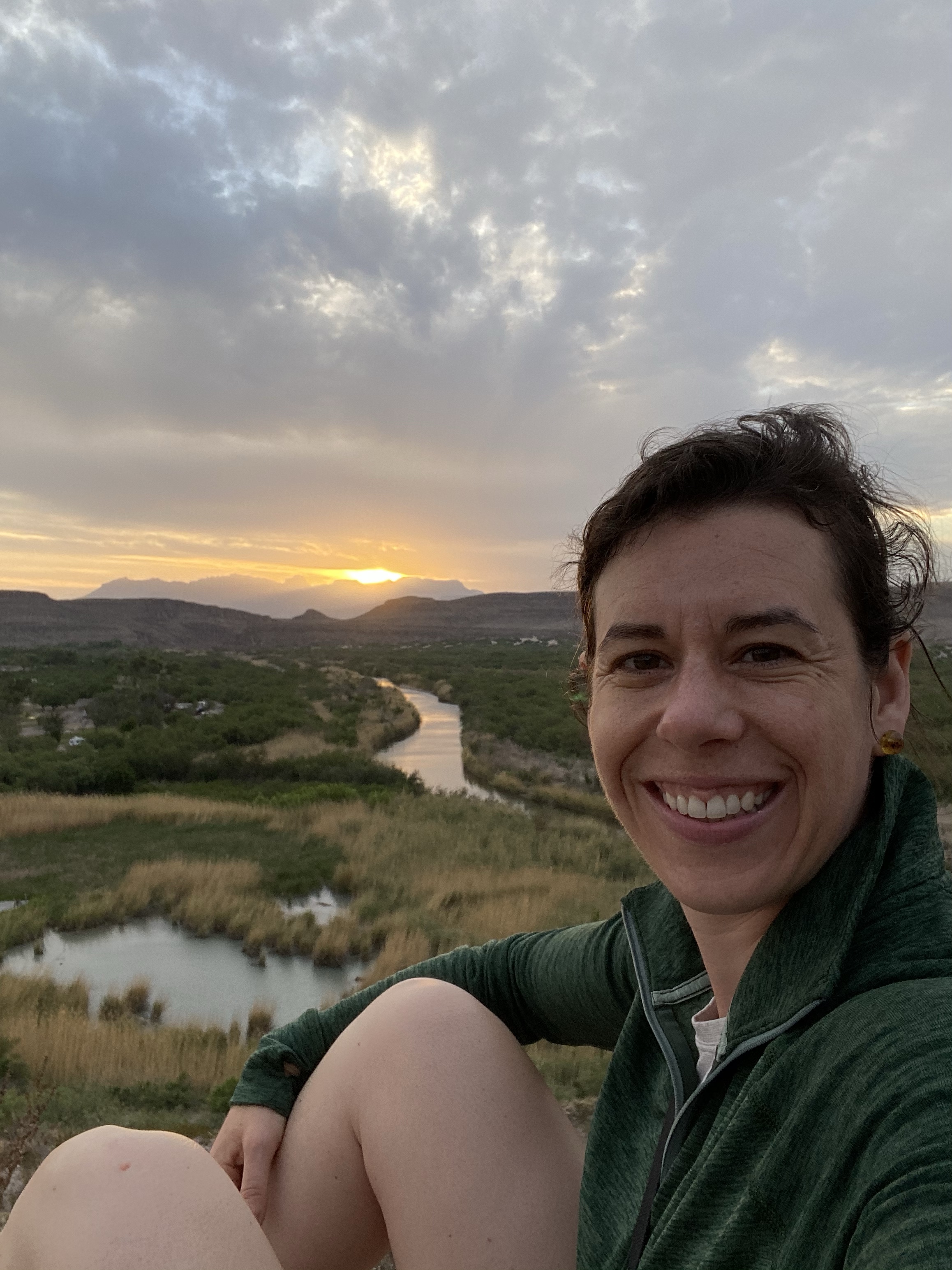
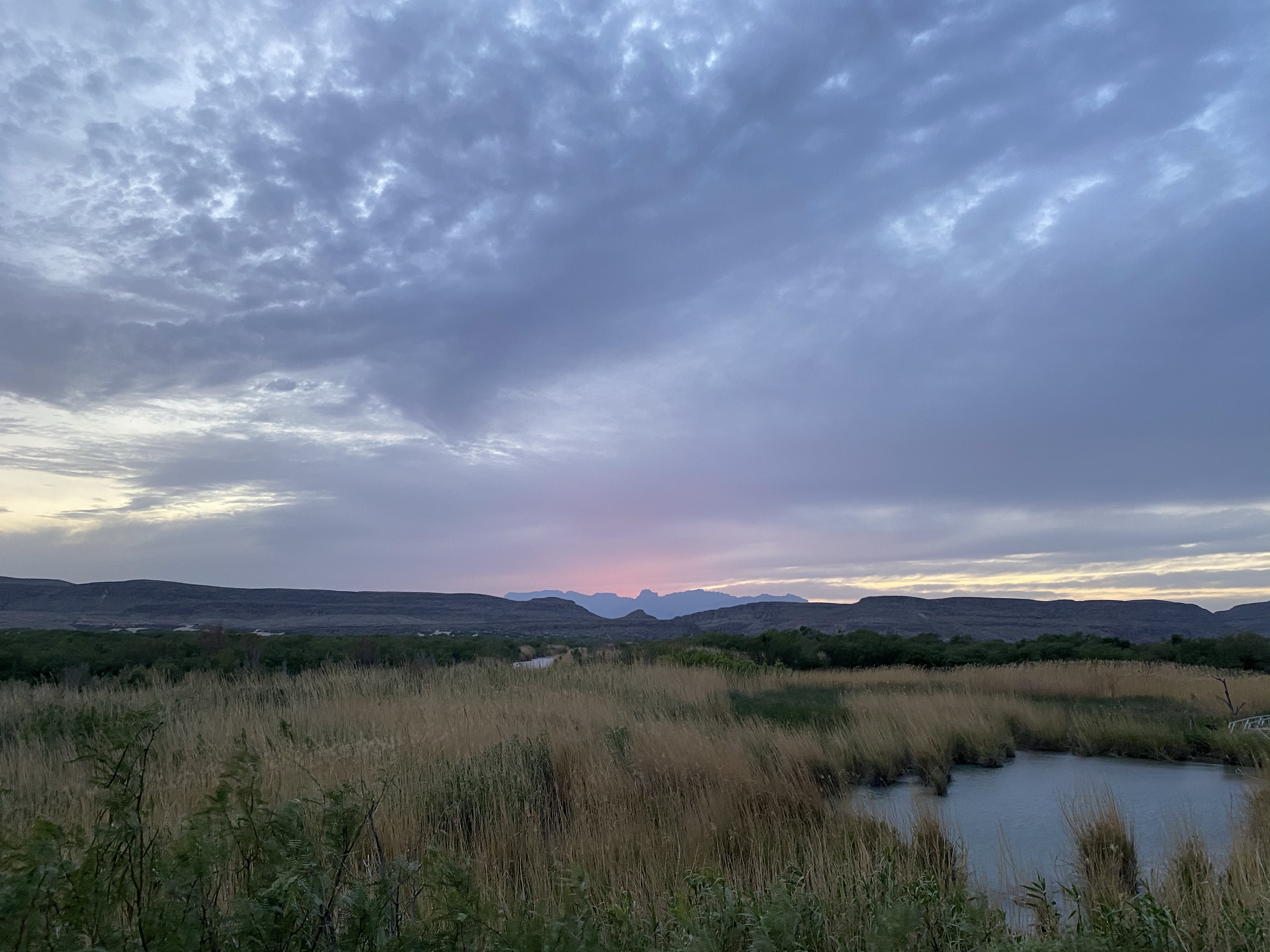
After watching the sunset set, and meeting Regina, we walked back together to the campground like old friends. We missed the javelinas down by the shore, but I wasn’t too sad about it. I heard they were smelly. Haha
And with that, my day was full – very full – and I settled in for a night of rest.
 Tonelli's Travels