Coolidge, a once booming during the gold rush in Montana built on the land of the Shoshone-Bannock and Eastern Shoshone, today, displays reminders of a different time, when life was perhaps simpler but required hard, difficult labor on behalf of all inhabitants.
On the Pioneer Scenic Byway, outside of Polaris, Wyoming, our first experience with a ghost town was while we were camping at Grasshopper Campground in the Beaverhead Deerlodge National Forest. One morning we drove 10 miles down the highway to a dusty, bump, dirt road. Five miles down this windy road, through washed out gullies and rocky rutted areas, lay the ghost town of Coolidge. The Solis and I are definitely earning our driving badges this trip.

We walked in another half mile on a now forested dirt road to the main buildings. What looks like a picturesque setting today would have been very bleak at the during of the 20th century when this mining town was growing as all the trees would have been cut down to provide lumber for the houses, school, mess hall, mine, mill, etc. It would have been a tough, barren place to live so far from the nearest town. Thinking of what it would have been like to be a child was difficult – probably a lot of chores by hand, maybe some time to frolic in the river and explore, school work, but mostly helping run the household.
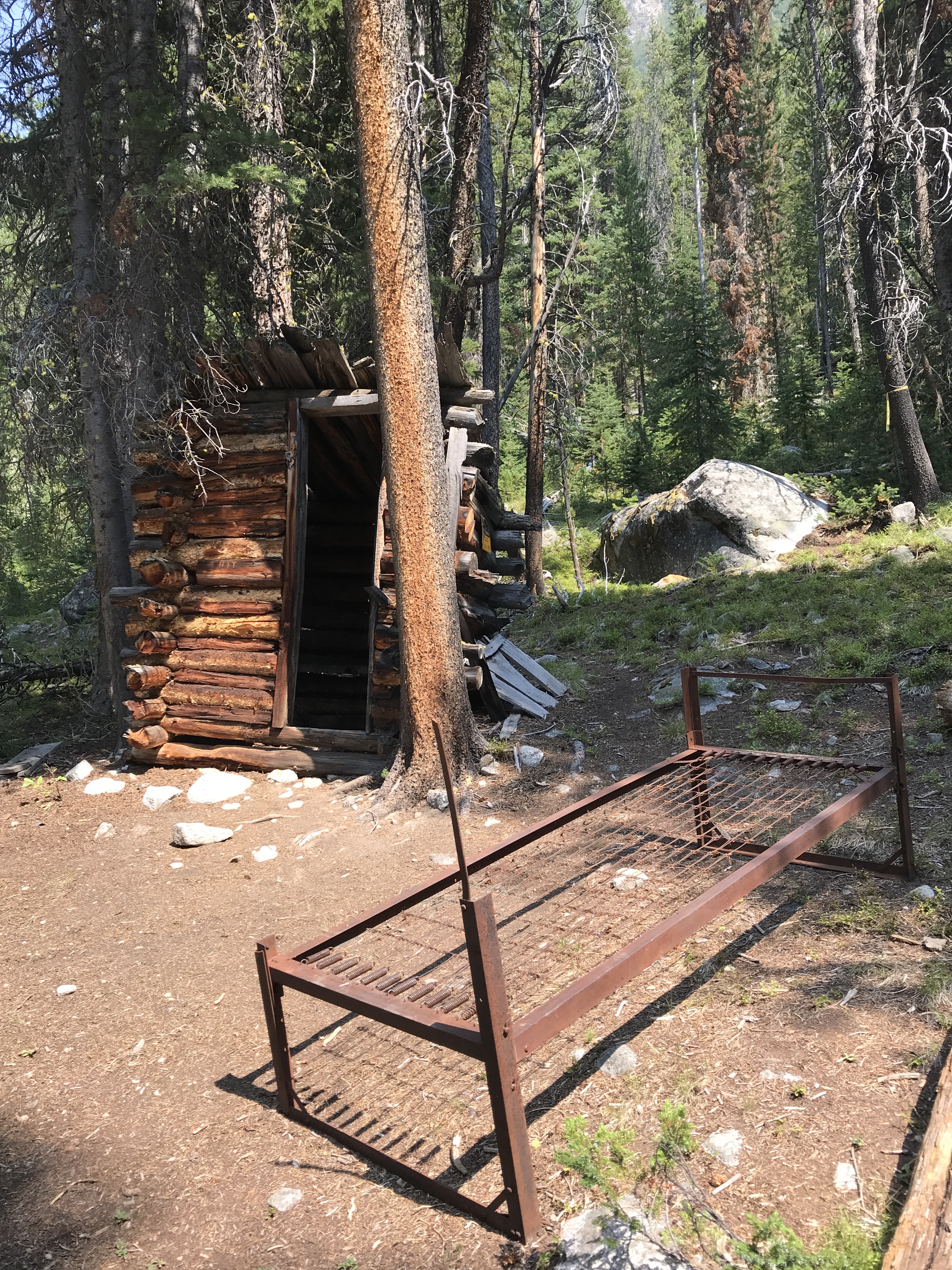
What was once a long, busy street along the left side of the river, decorated by buildings on both sides, is now a quiet dirt road dotted with abandoned and collapsing wooden buildings. On the left, up the hill towards the forest are homes, each with an outhouse behind it. Most seem to be one or two rooms homes built from simple wood planks, their roofs long gone and their floors covered with green plants sprouting up and crawling over the fallen beams. A few chipmunks and squirrels skitter scatter here and there, looking for a hiding spot or a snack to munch on. A few fancier homes still stand fairly tall, these made in more of a log cabin style – sturdy and enduring. The Tyro home is one of these places. I am unsure who the Tyro family was, but they must have been important because they had a multi-room, two-story house with a nice porch. You can walk in and around the house, looking at the now empty shelves and metal bed frames left behind.
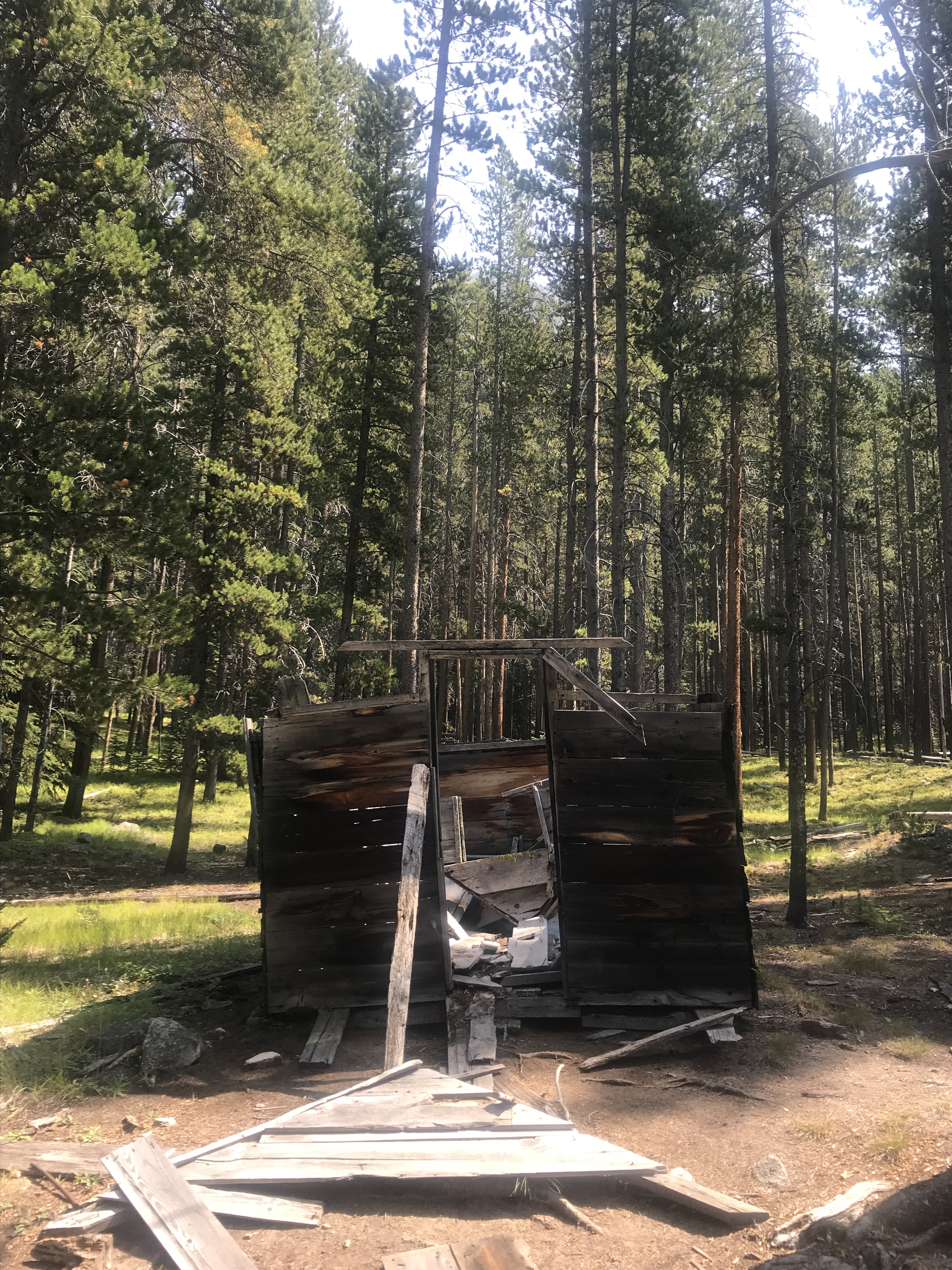
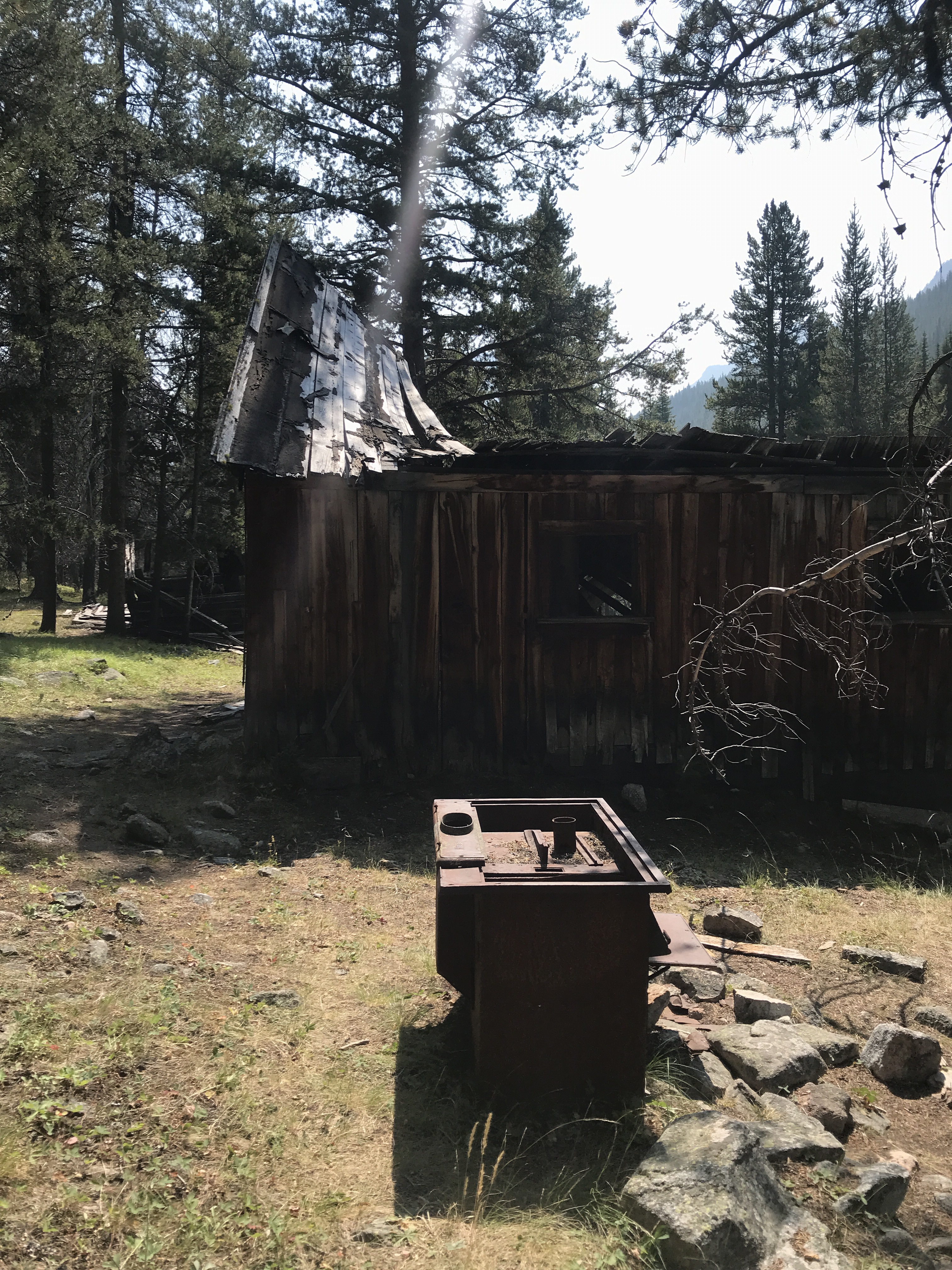

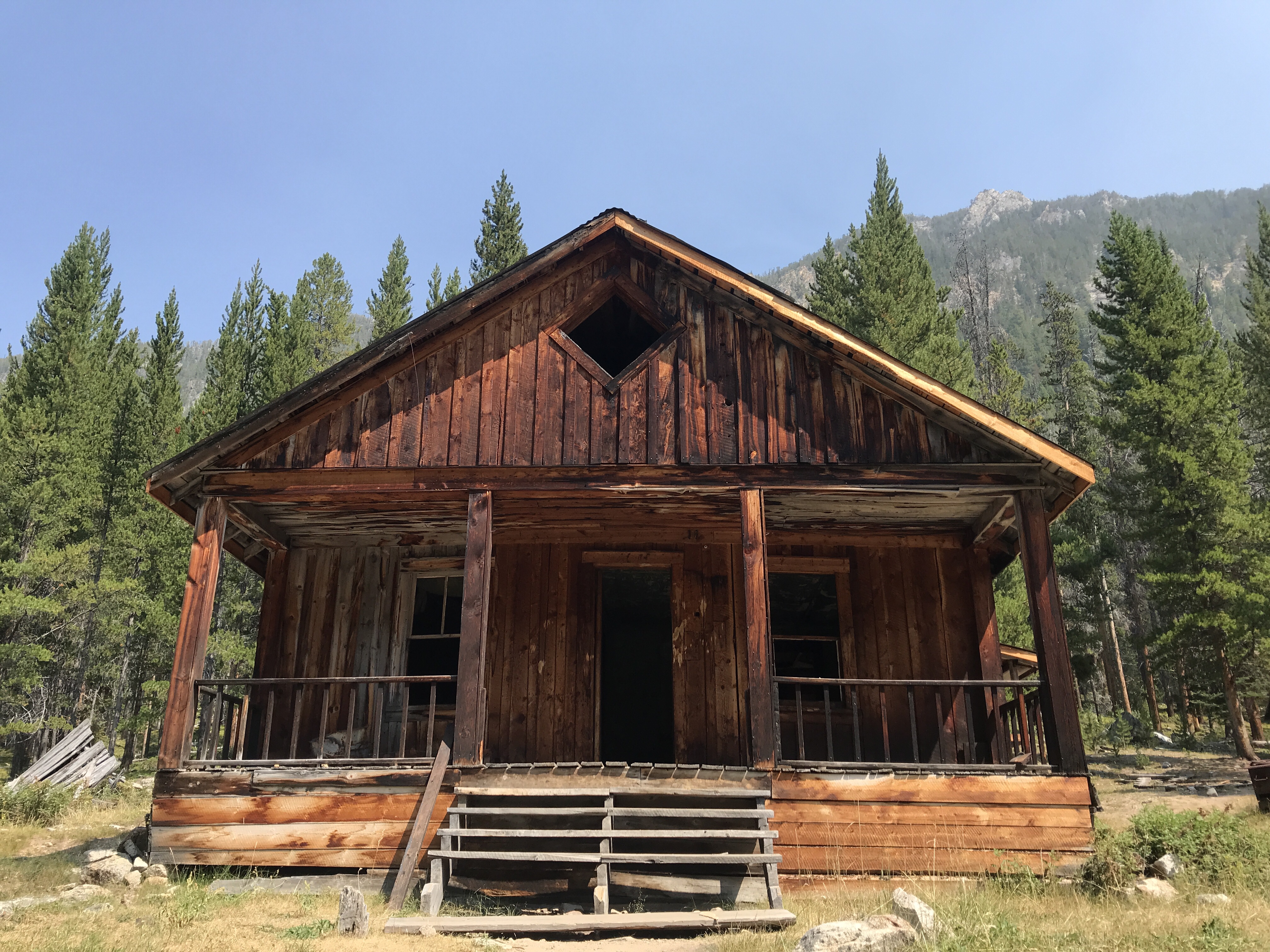
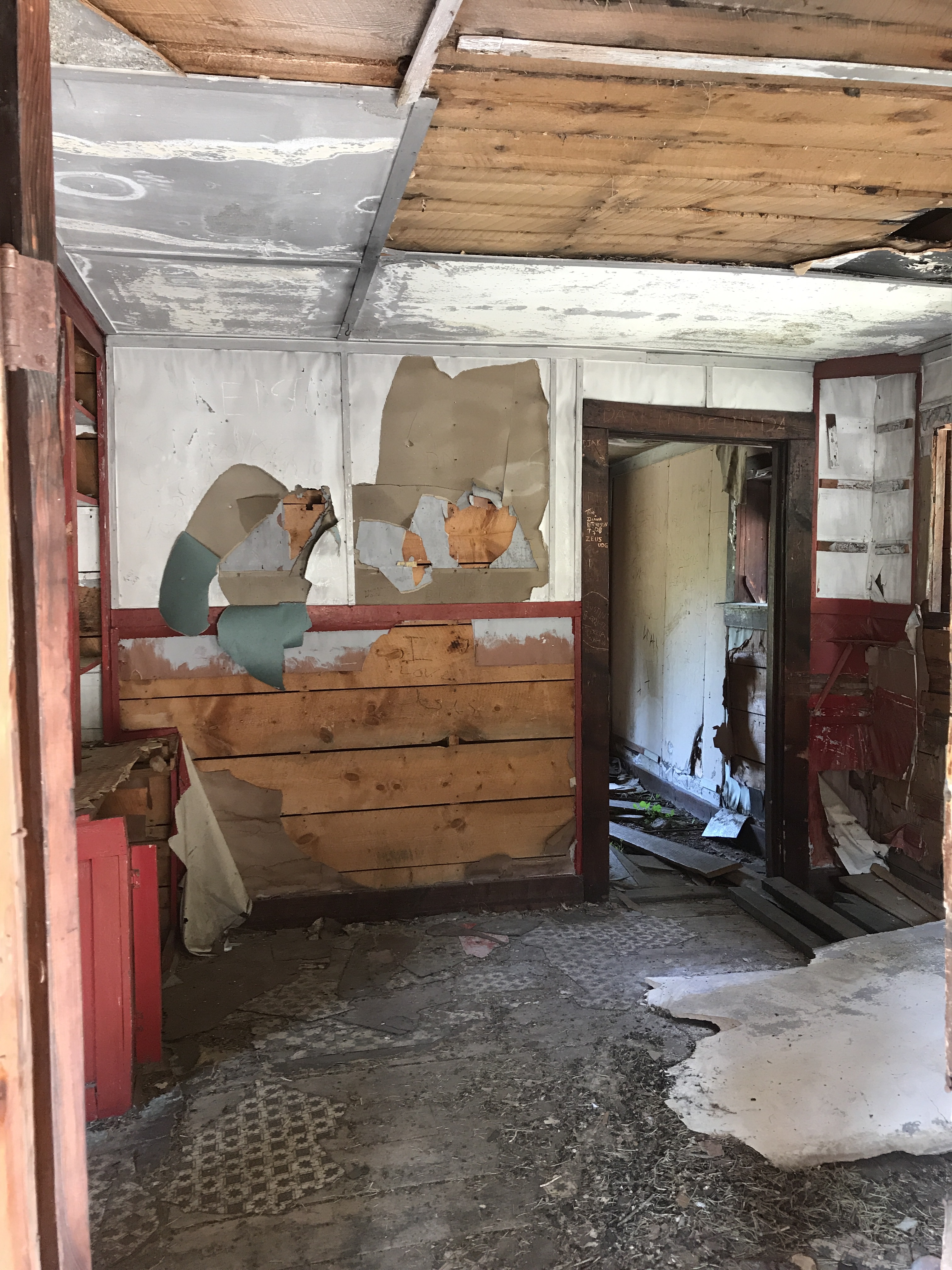
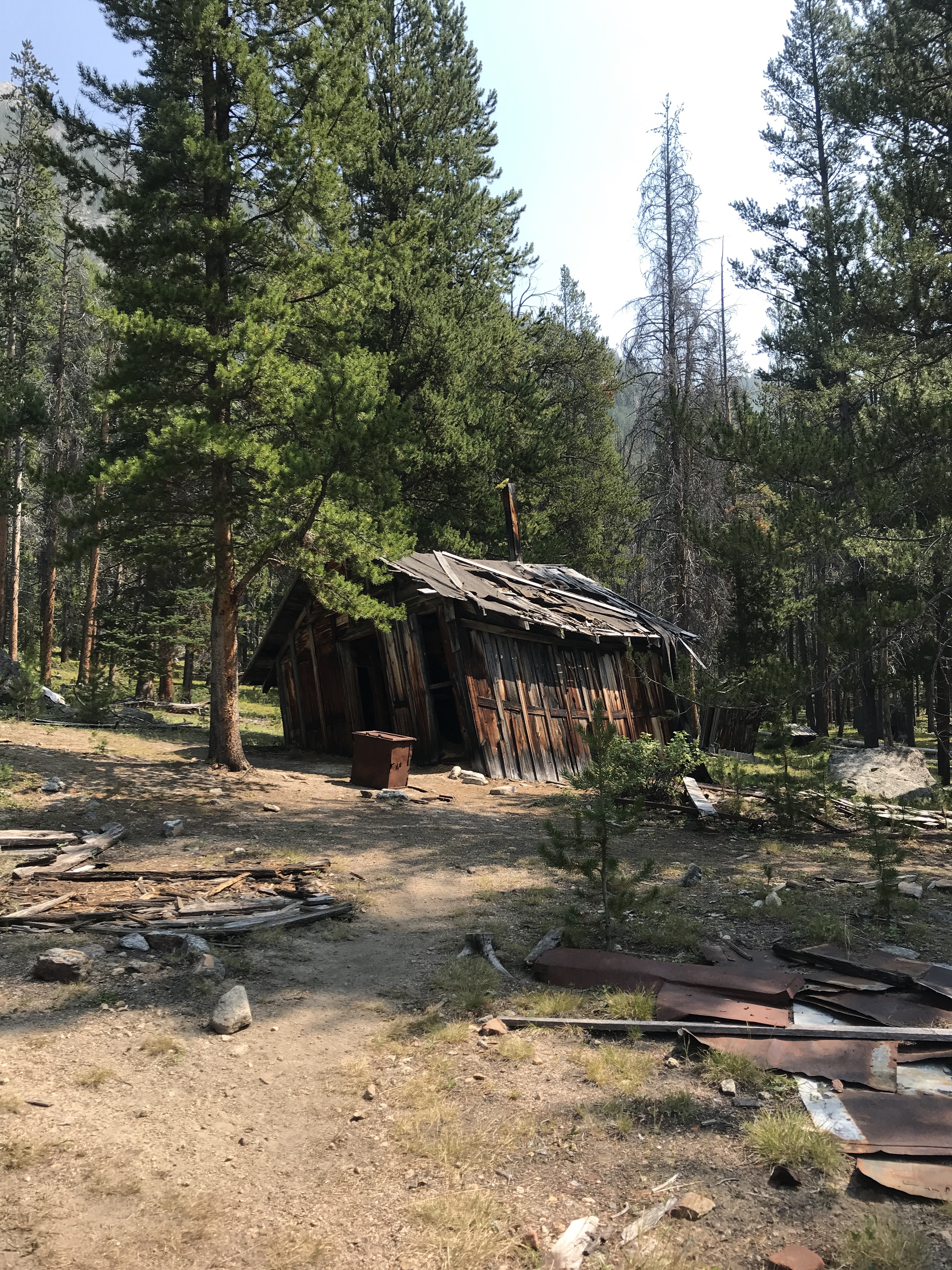
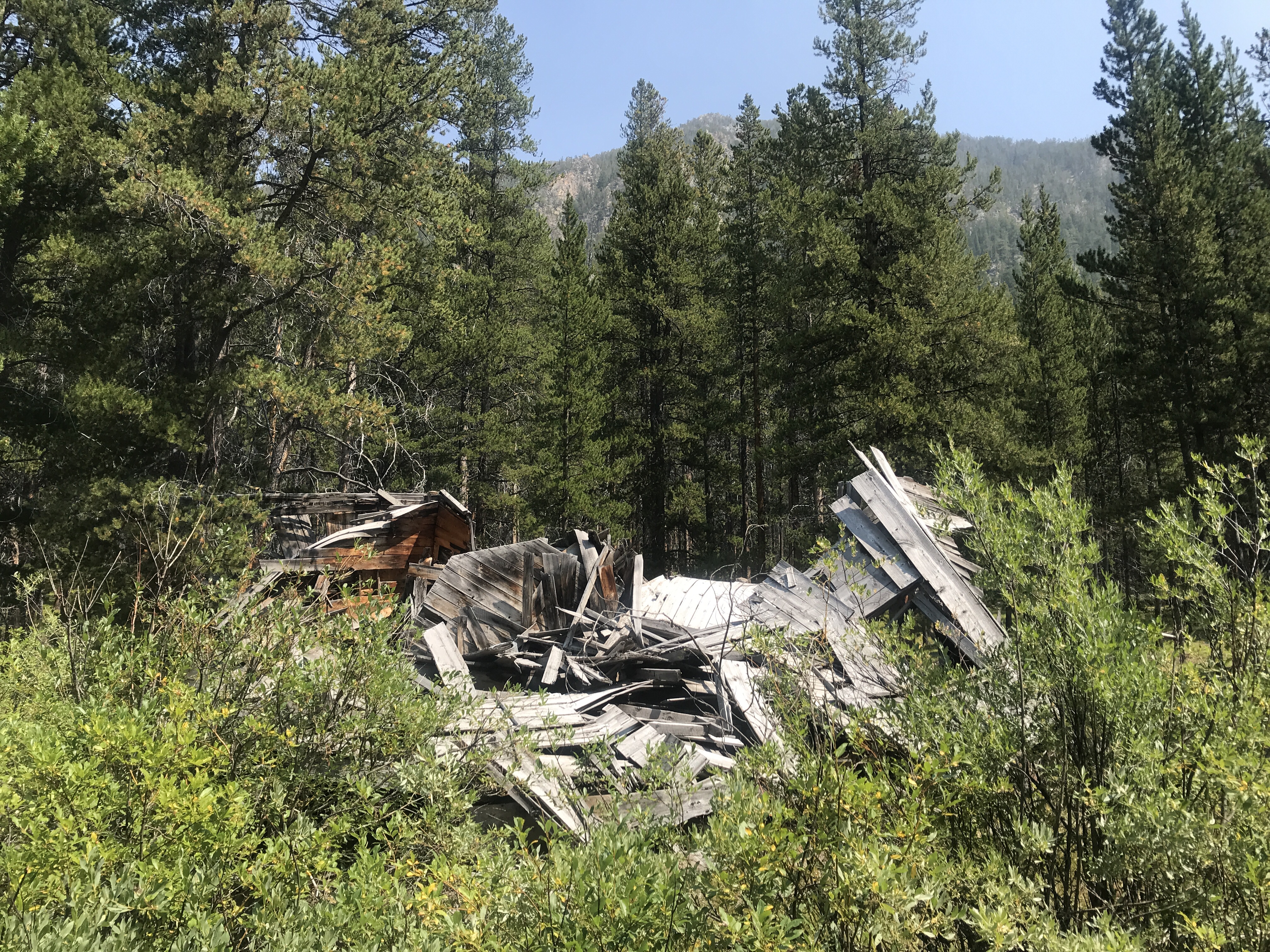

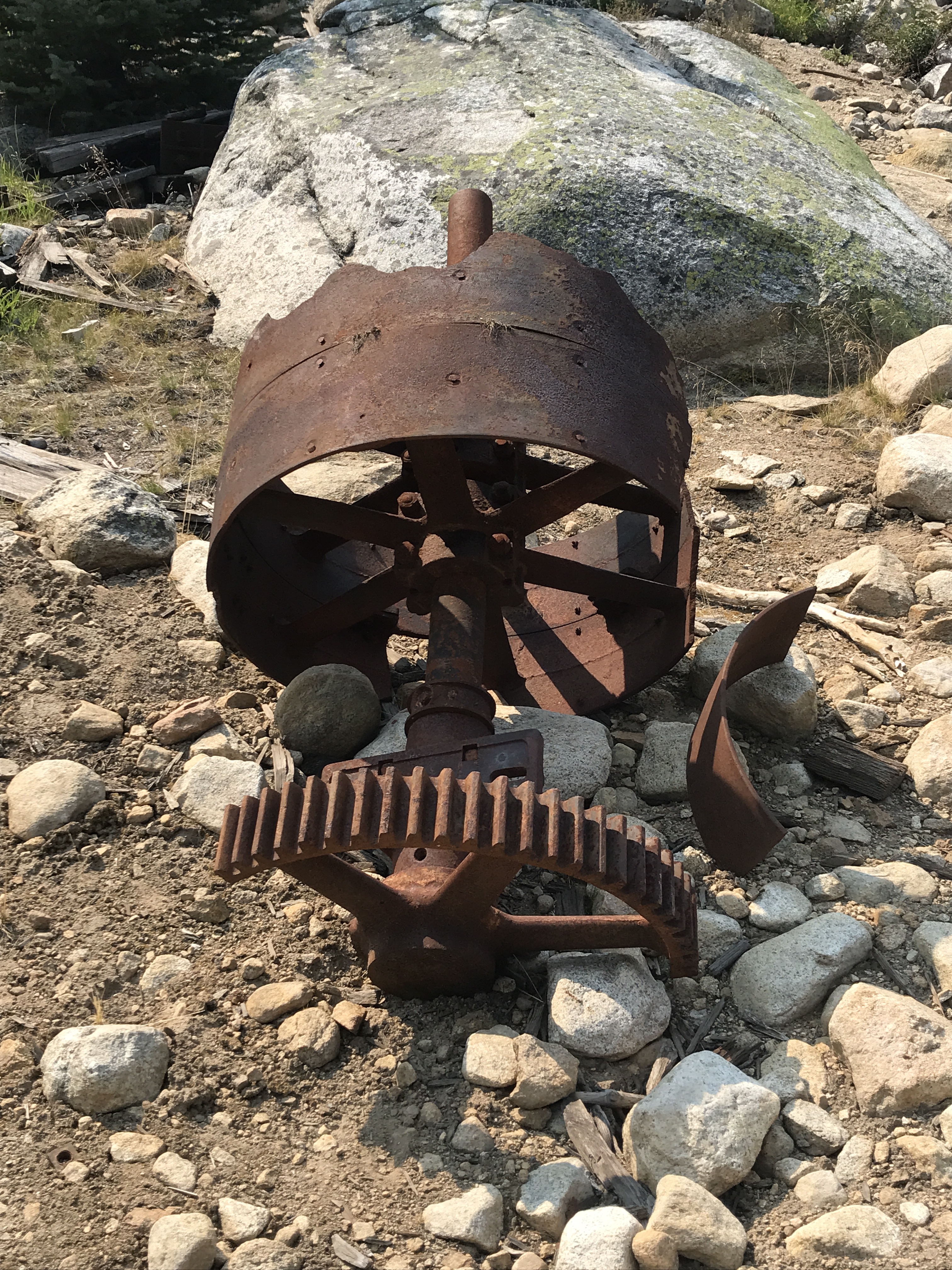
As you walk down the road, most buildings are unidentifiable, but there are guesses as to which was the schoolhouse, which the dining hall, which the village store. Along the way you can see tin cans lying about, probably once buried after use by the village inhabitants, now dug up or revealed by erosion. Old stoves, bed frames, and machinery are strewn between the houses, reminders of the bustling lives that once occupied this space.
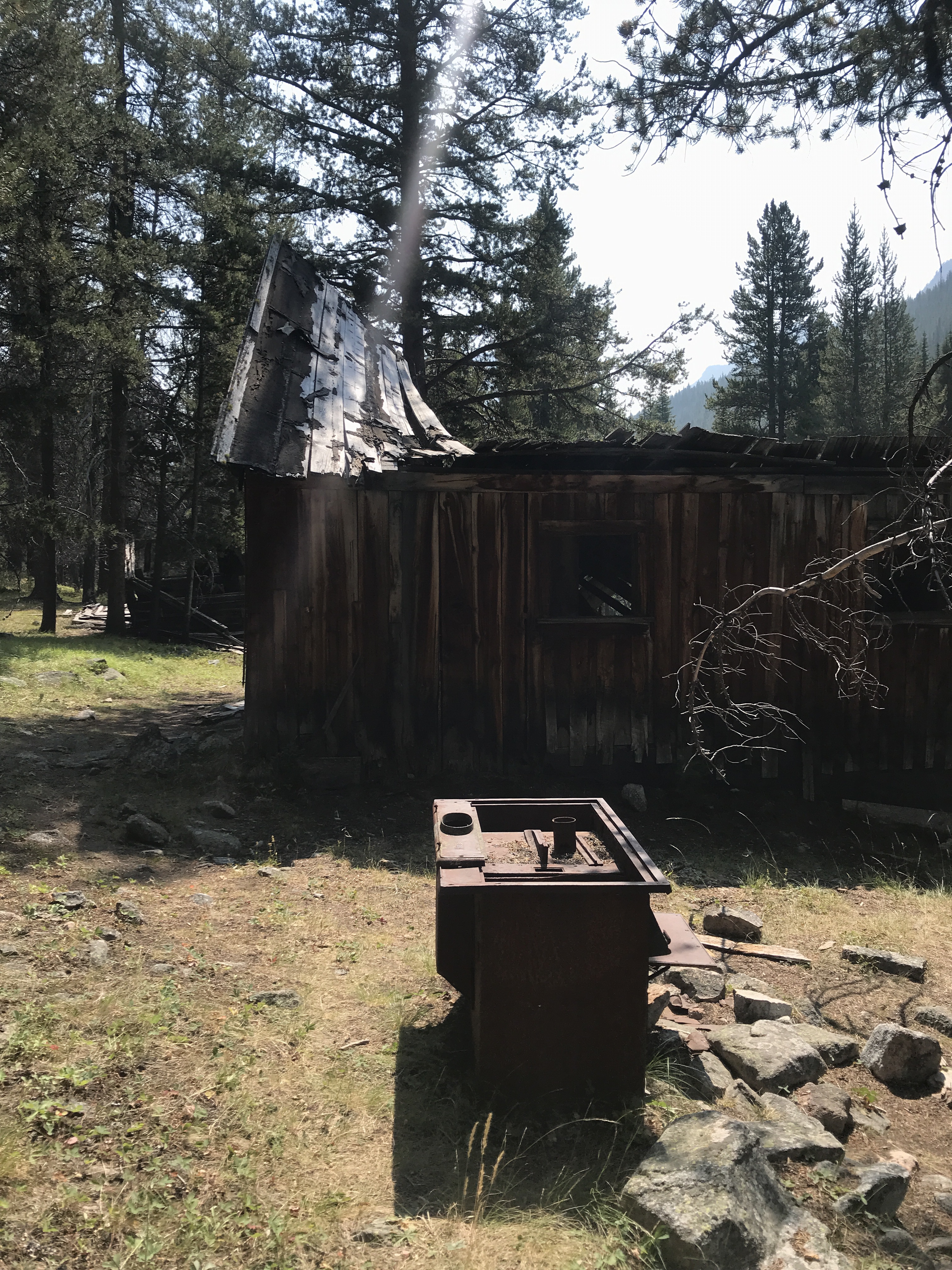
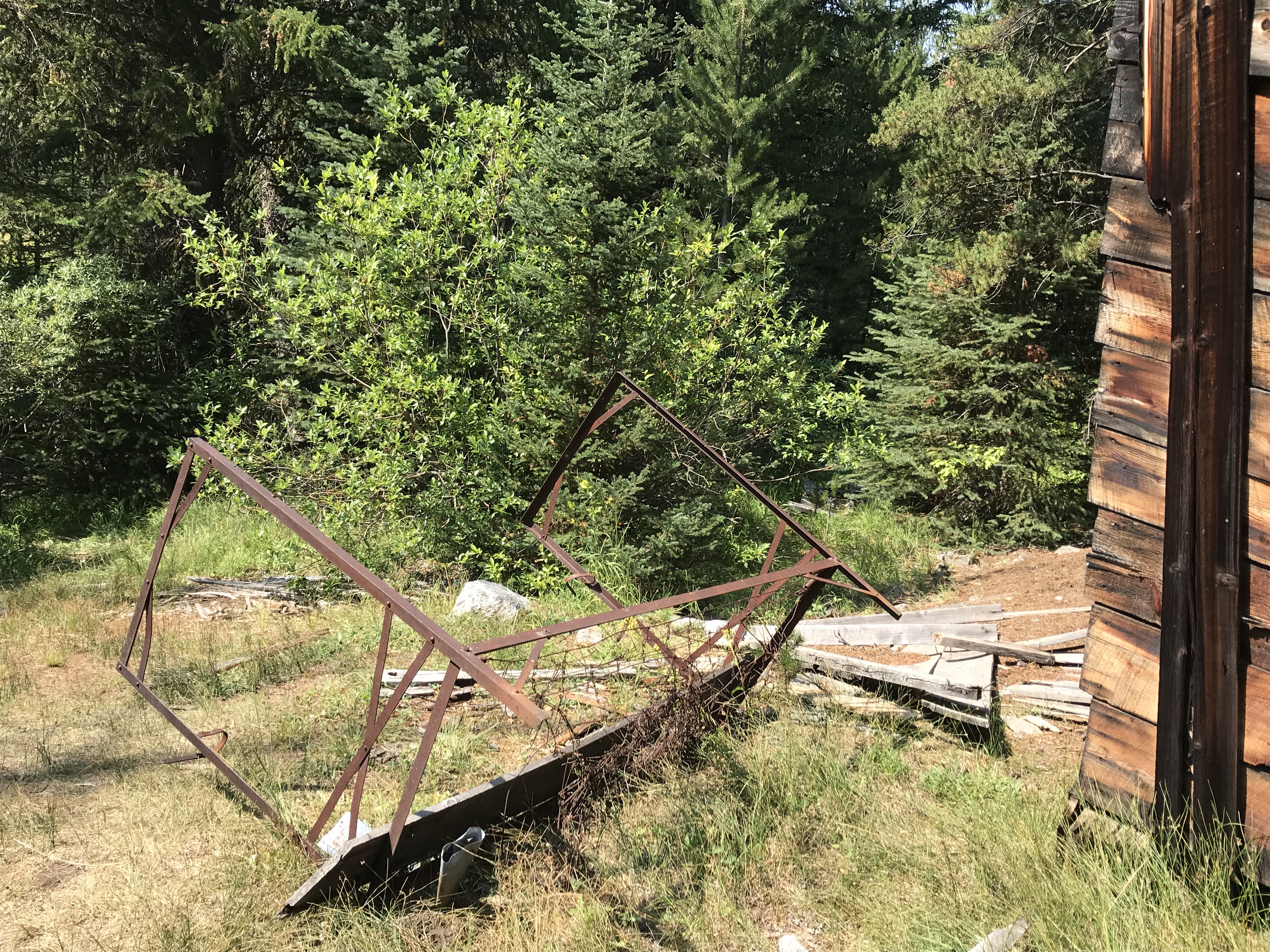
A small sign shares some of the history of Coolidge – a gold mining endeavor organized and managed by William R. Allen. After graduating college and trying his hand in politics, he was drawn into the mining business with dreams of big fortunes. He was a skilled talker and convinced many people to invest in his operation, which required a railroad to be build from the town of Divide to the mine, many miles long. The mine began operating sometime after 1913 and was fairly successful extracting gold until 1933 when the Great Depression hit everyone hard. Allen worked to sustain his mine for many years after 1933, but with little success.
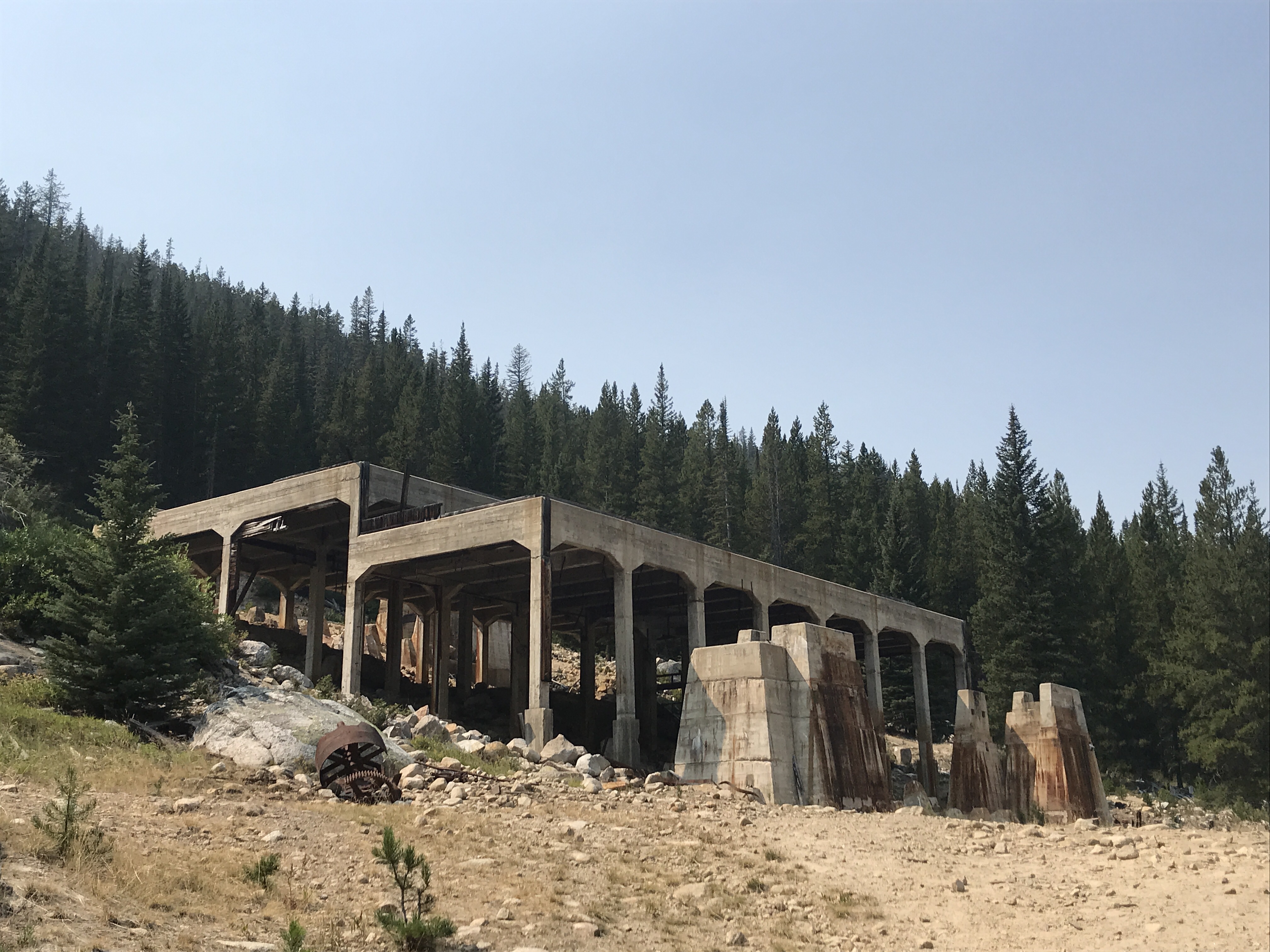
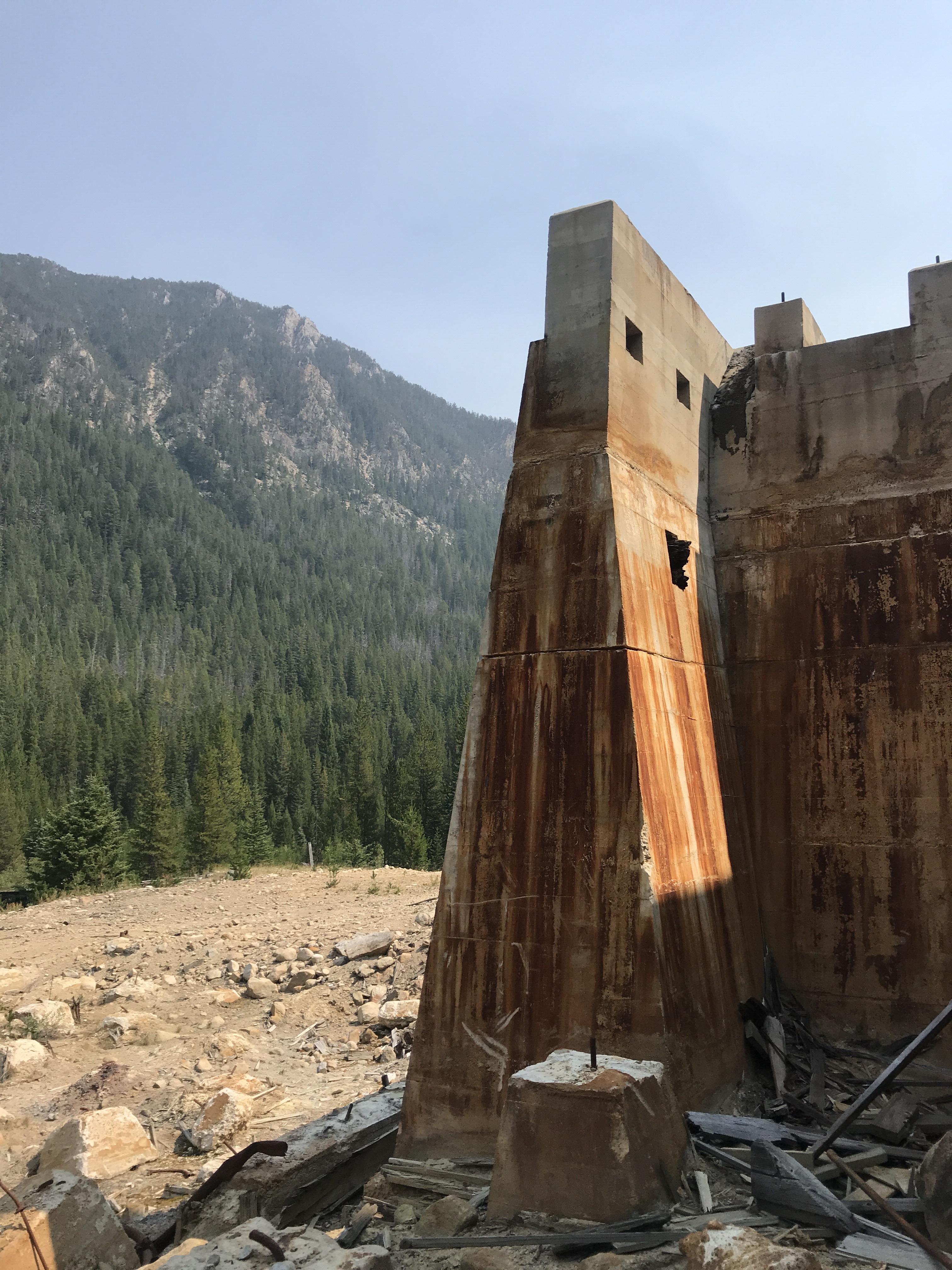
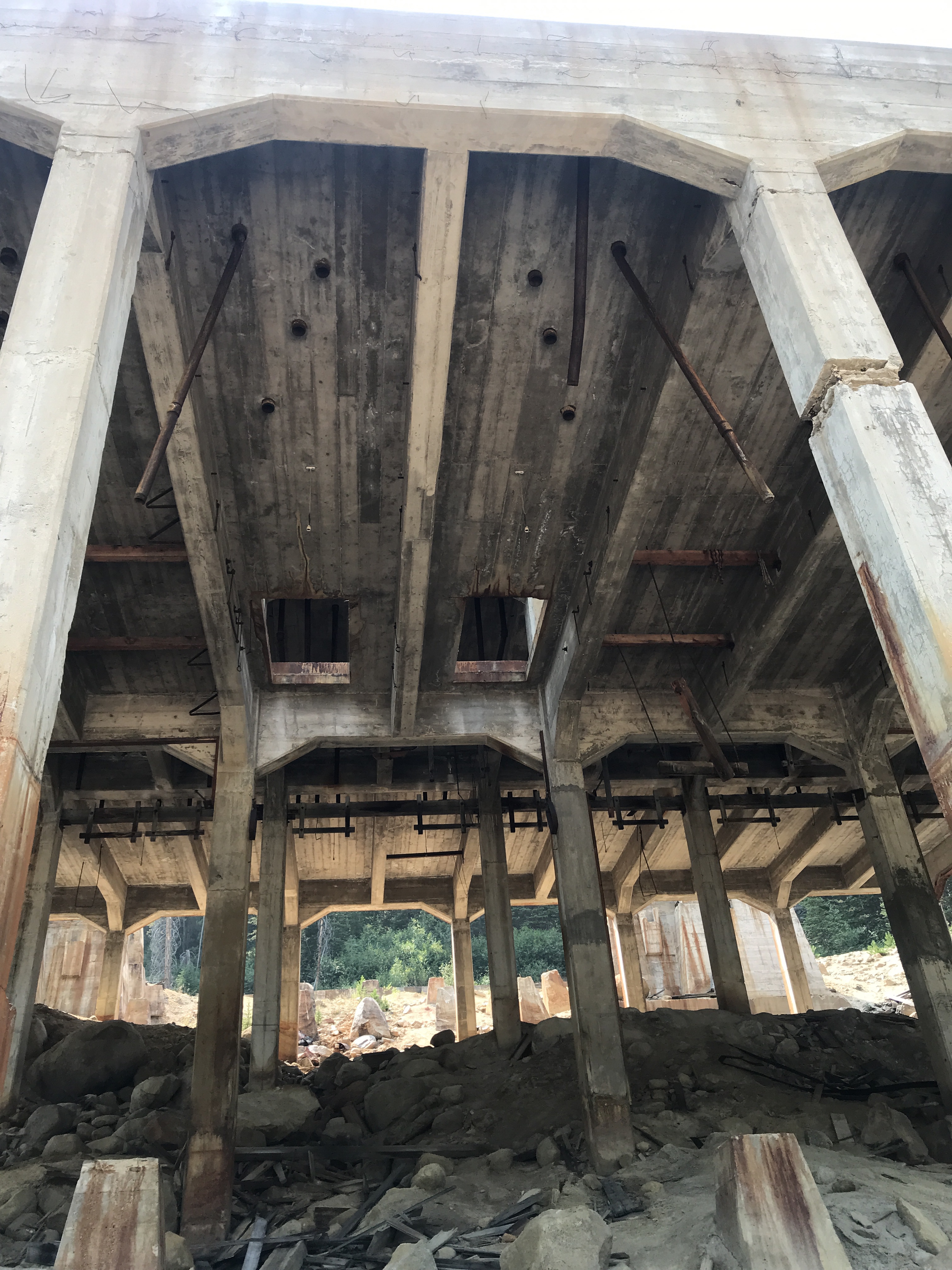
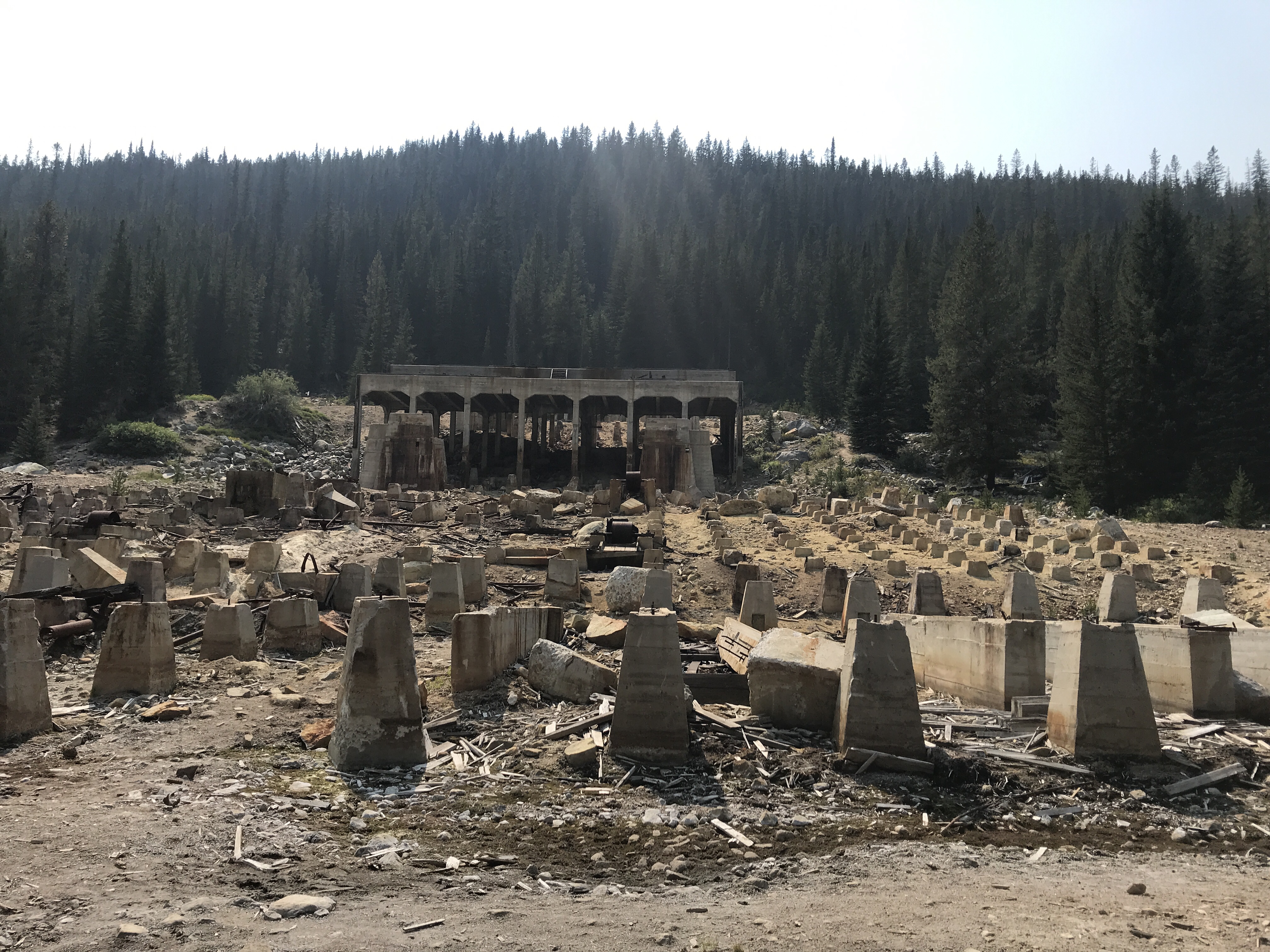
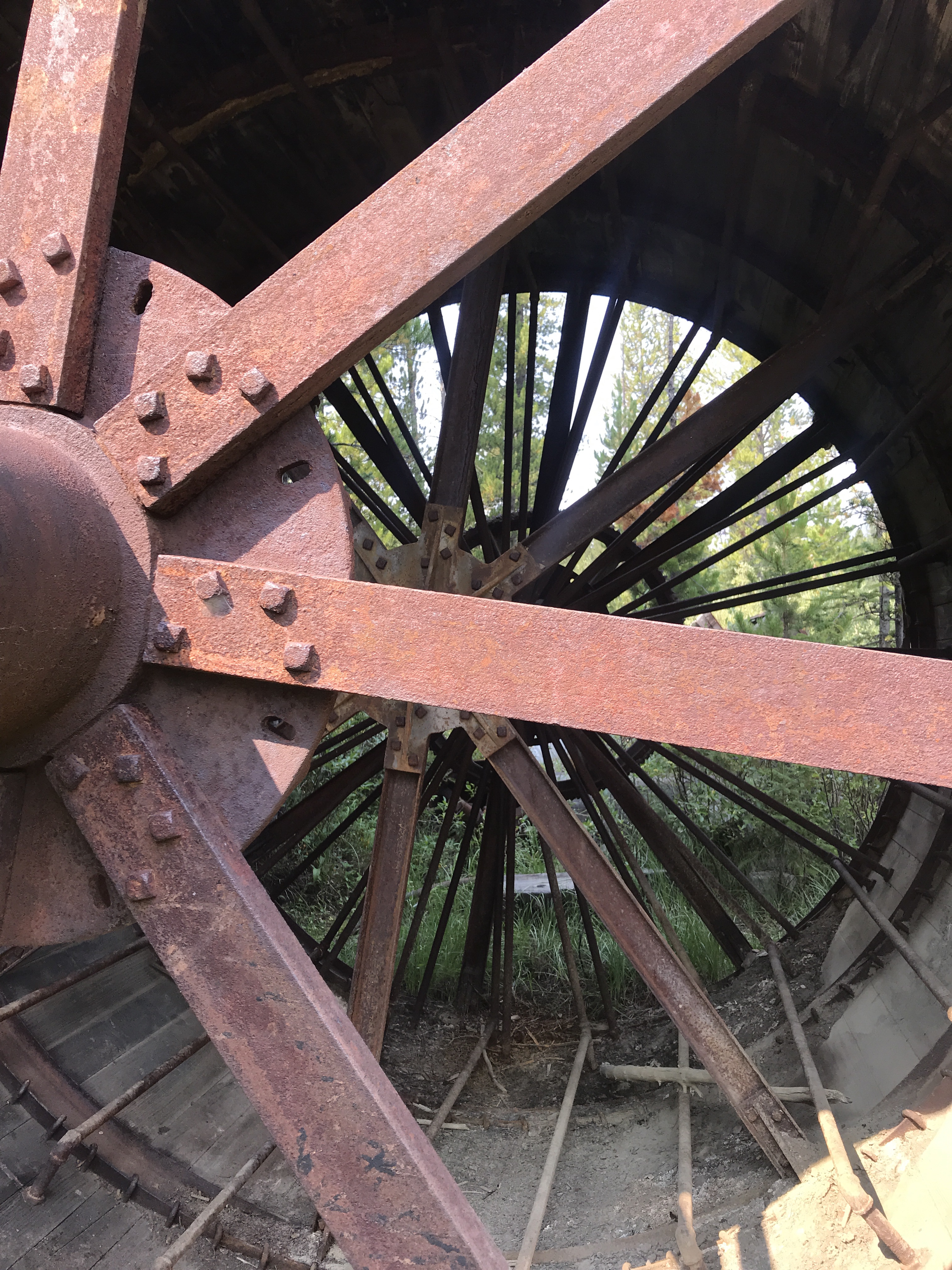
Today you can cross the river and walk down to the mine and mill that powered this town. We walked down to the mill, a once looming giant of a structure, nearly four large stories high built into the side of the hill. Most of the mill has been deconstructed today and its lumber sold off, but towering cement pillars still stand, showing how the mill rose up from the river below that powered it. Above the mill are wood planks, the only remains of the raised track that connected the mine and mill, bringing precious materials from one to the other. I walked around, through, and up the structure, trying to imagine the power that came from this place nearly 100 years ago and the dangerous, difficult labor of the mine workers who risked their lives to bring the gold out of the mine.
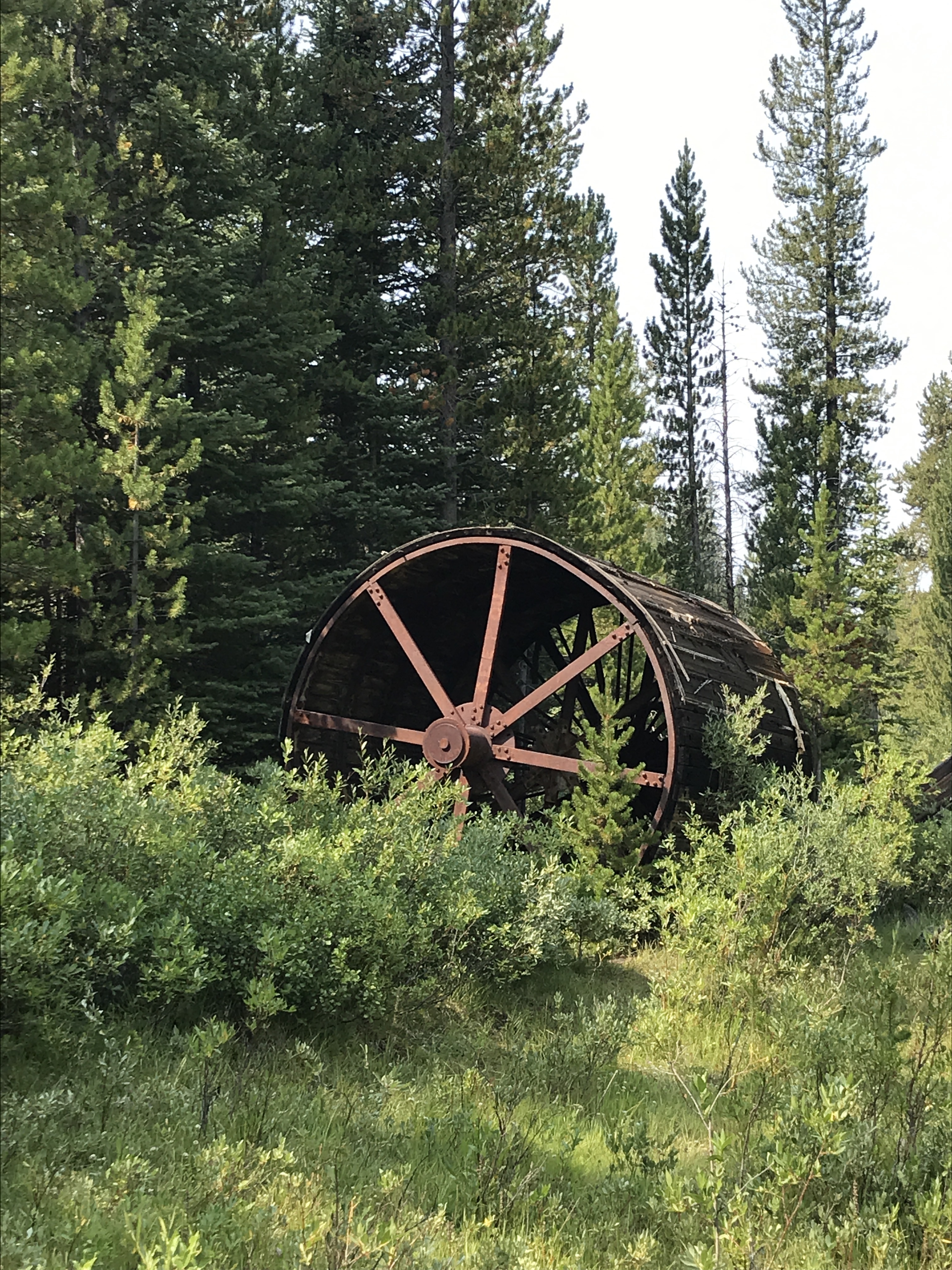


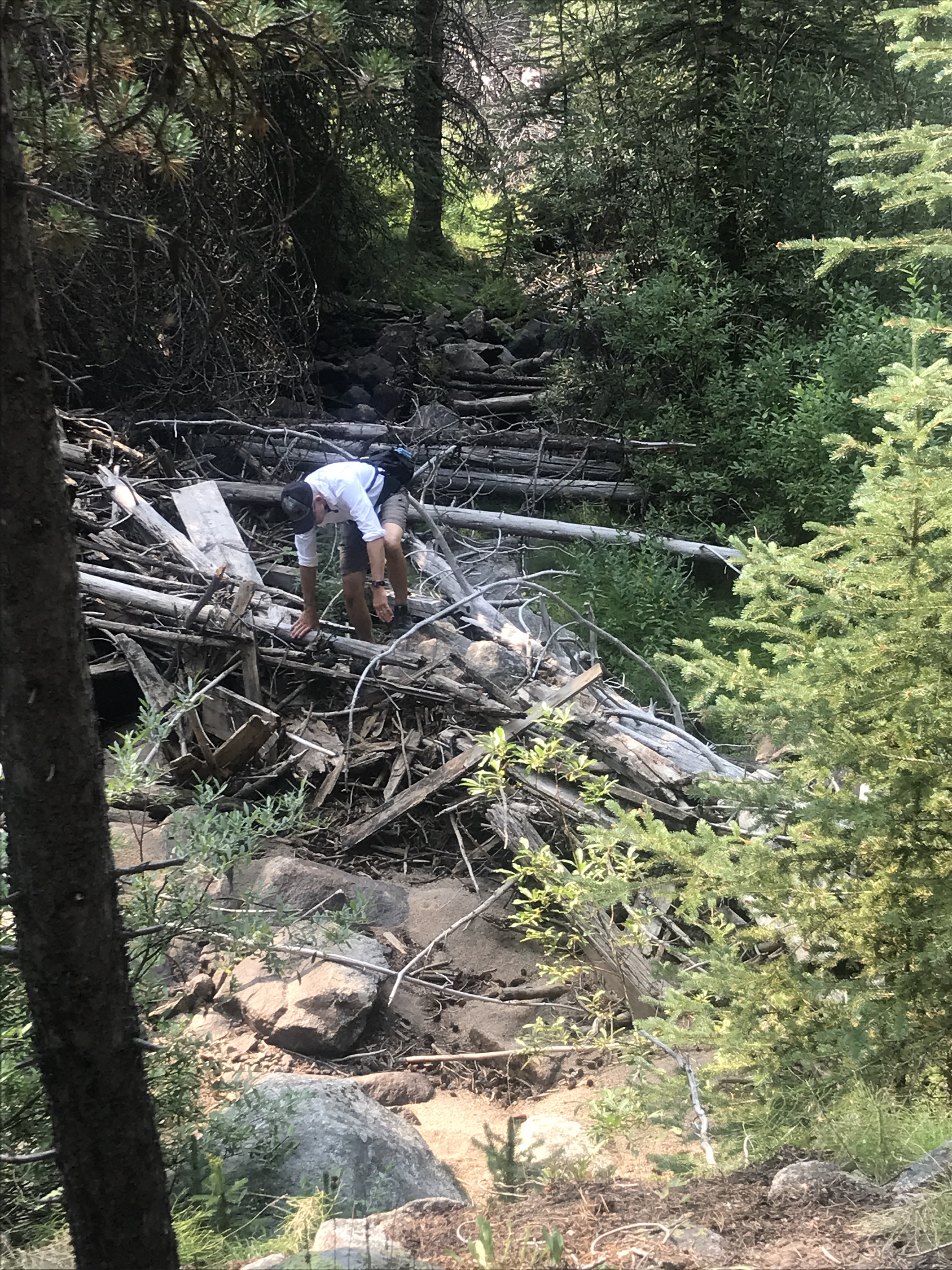
Eventually we made our way back to the car, but of course not without an adventure. Instead of walking back to the road, we decided to walk through the woods on the raised embankment of one side of the old canal. We meandered for a while without problem, but eventually the path stopped and we had to cross the creek. My mom and I made it across with relative ease, but of course my dad had to choose the path less traveled and crawl over some fallen trees that had rushed down the river. My mom and I watched with a slight smile from our nice resting spot on the far side. Then we all walked the last hundred yards back to the car, for the dirt road travels back to our camping site.


During our trip, it was clear this mining operation had altered the land, which was now slowly returning to a more natural place. But I also wondered how it altered the lives of the Shoshone tribes who had once thrived on this land. The Shoshonne-Bannock ceded some of their land in 1863 and 1868 through the Fort Bridger Treaty. Previously, they had used this land for hunting and gathering, fishing in the stream, collecting native plants, and maintaining herds of bison. The land must have been a marvelous space cared for by all. It seems to be returning to something similar today.
 Tonelli's Travels
A look into the past…the gold rush spell and disappointment…
LikeLike