Arizona is bursting with beautiful state parks and I had the good fortune of visiting Picacho Peak. Shout out to my new friend Crystal for the recommendation. Surely a park to visit if you are ever in Arizona, set on the native land of the O’odham tribes.
The afternoon I arrived was still sun filled and toasty, but a slight breeze made moving about enjoyable. Exhausted from the climb up Rincon Peak, I promised myself I would take it easy. There is so much to see and do, sometimes it is hard to slow down. But when you slow down, you stumble upon beauty and reflection too. There can be excitement in going slow as well.
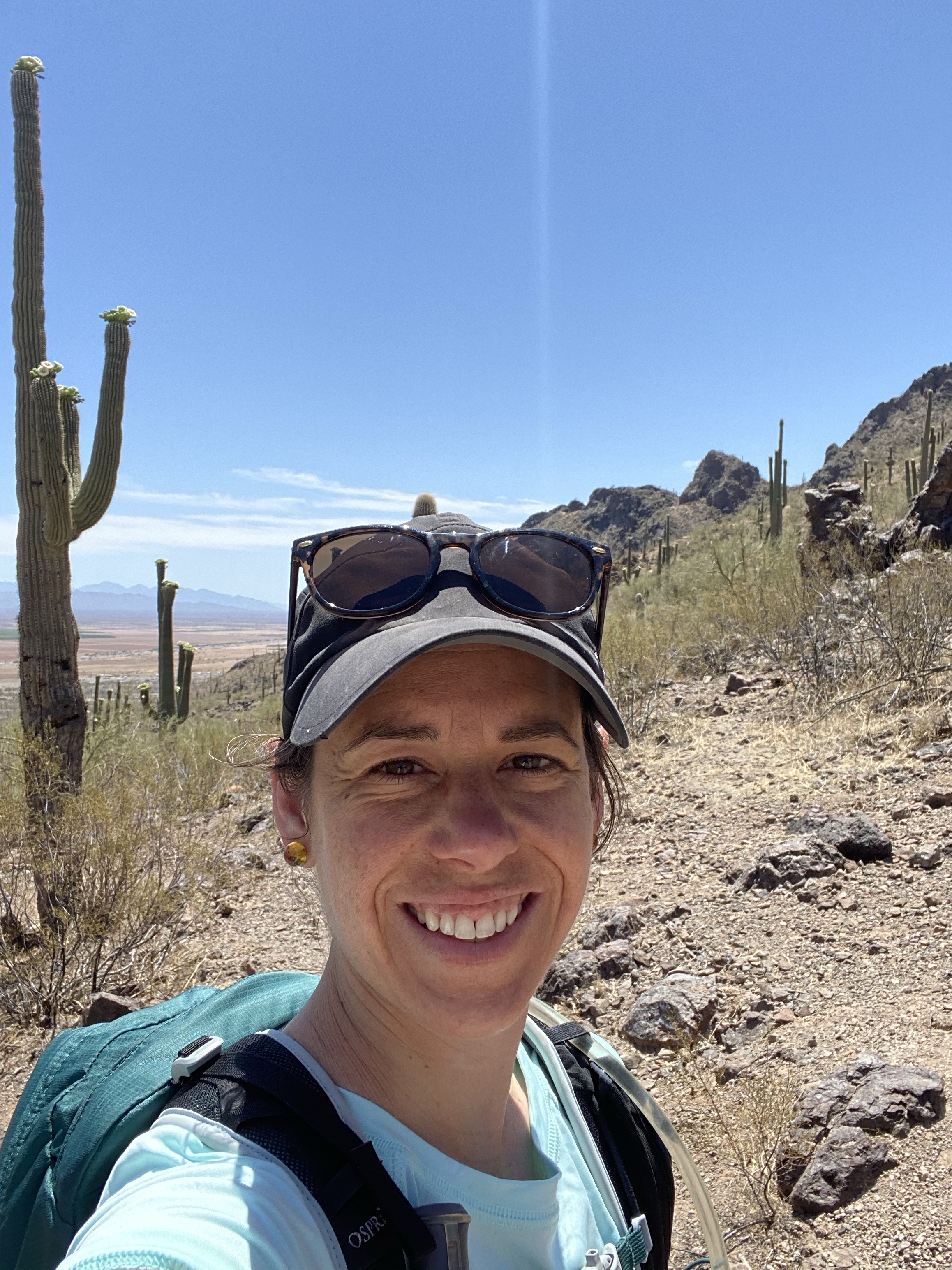
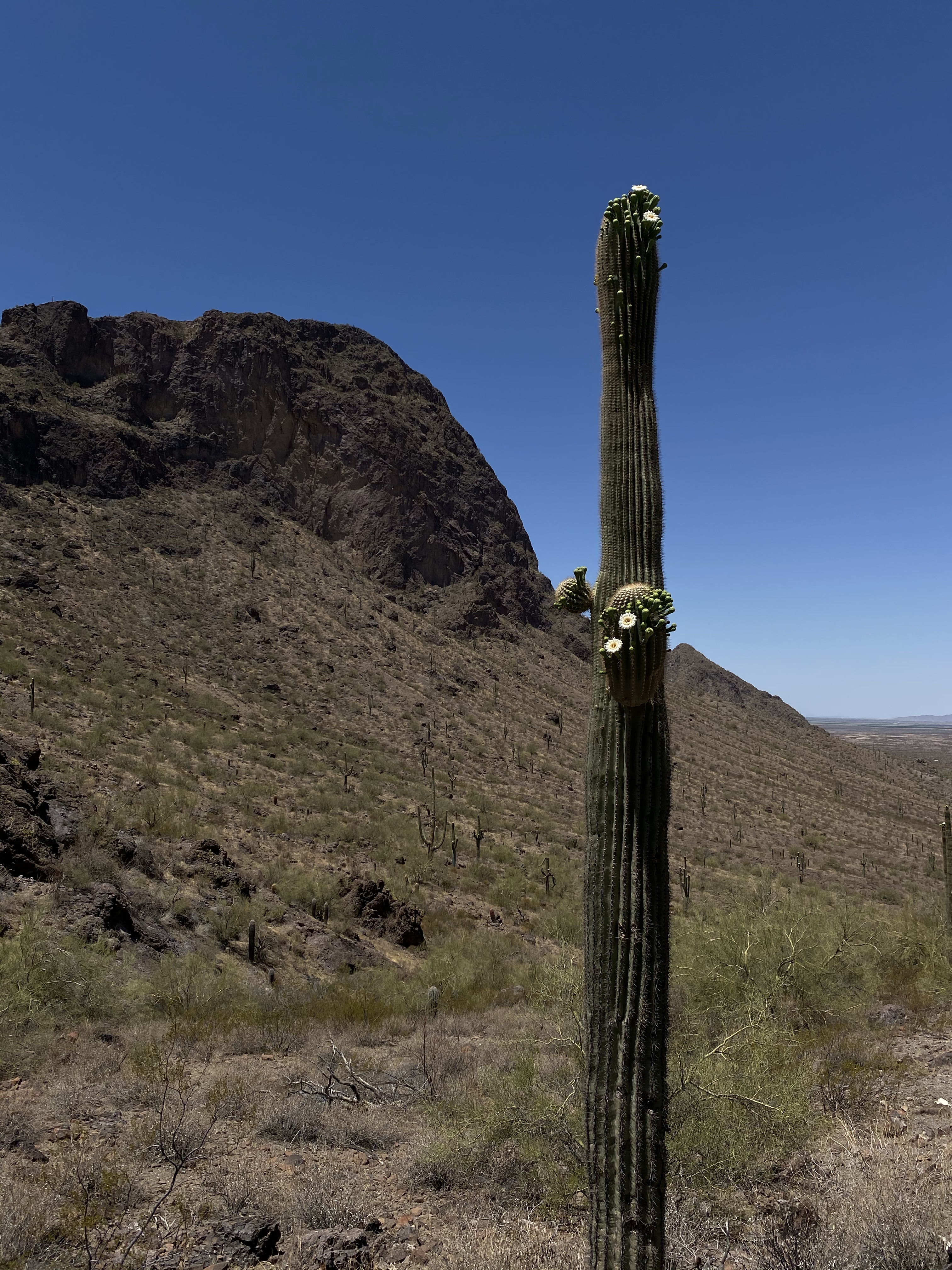
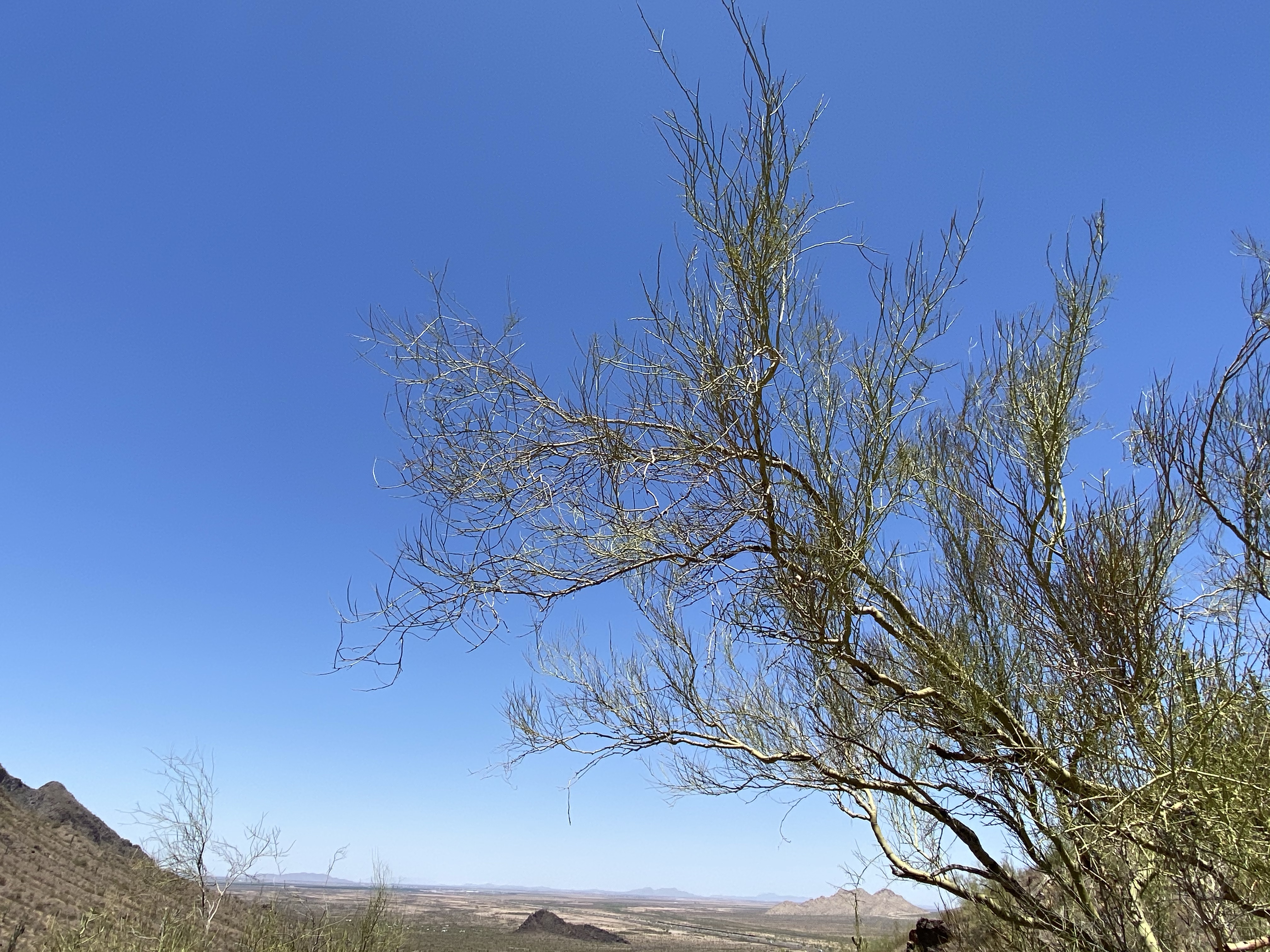
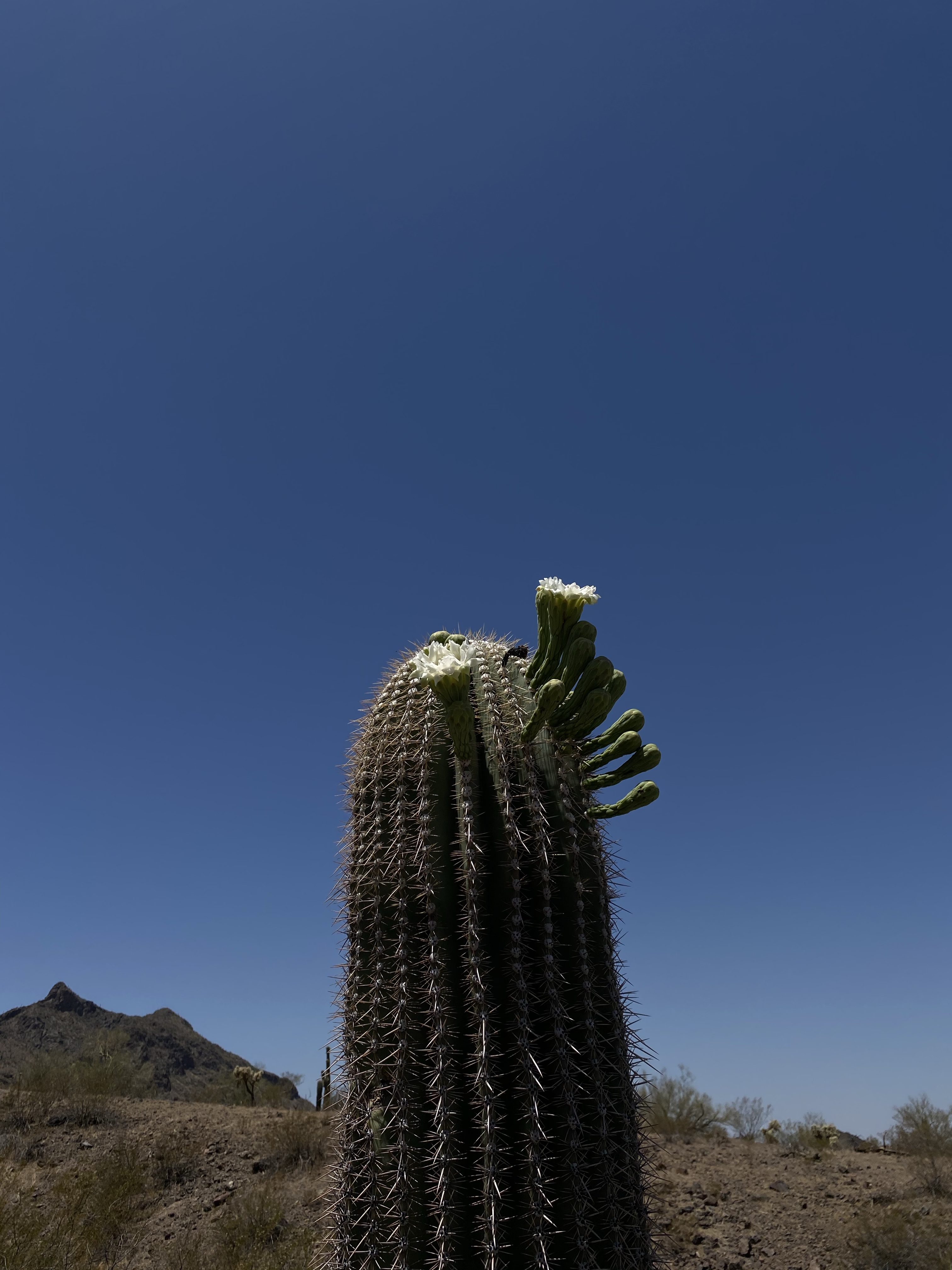
So, I opted for the accessible nature trail and overlook. A slowly climbing series of steps, the Calloway Trail cuts through a cacti forest with giant Saguaro looming on both sides. Standing sticks across the desert floor, largely alone, sometimes accompanied by Palo Verde trees. Their stance often outshines the mountains in the background as each has a unique set of limbs topped by green bulbs and glowing white flowers. Soon I reached the overlook and was again reminded of the vastness of this desert landscape.
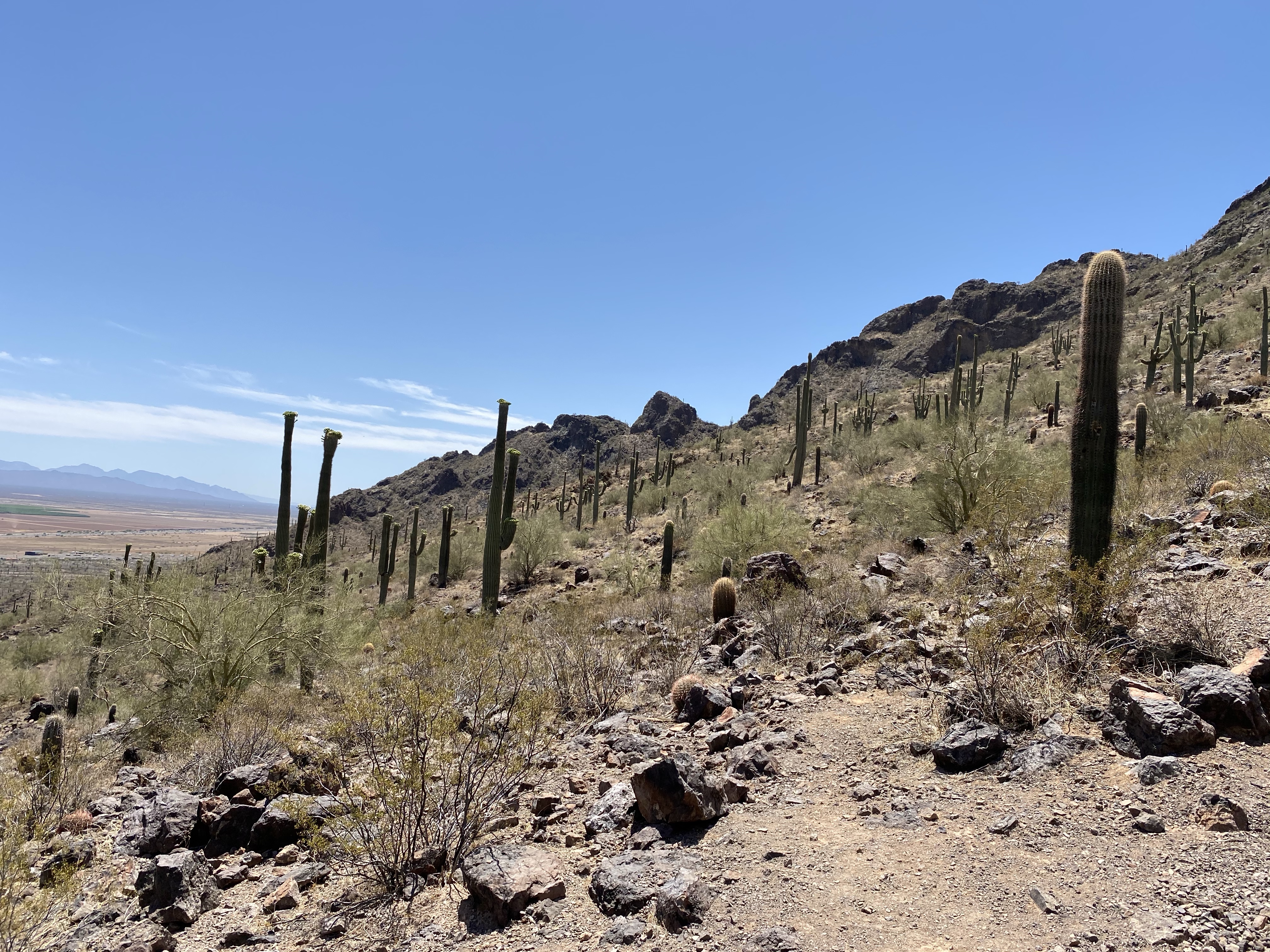


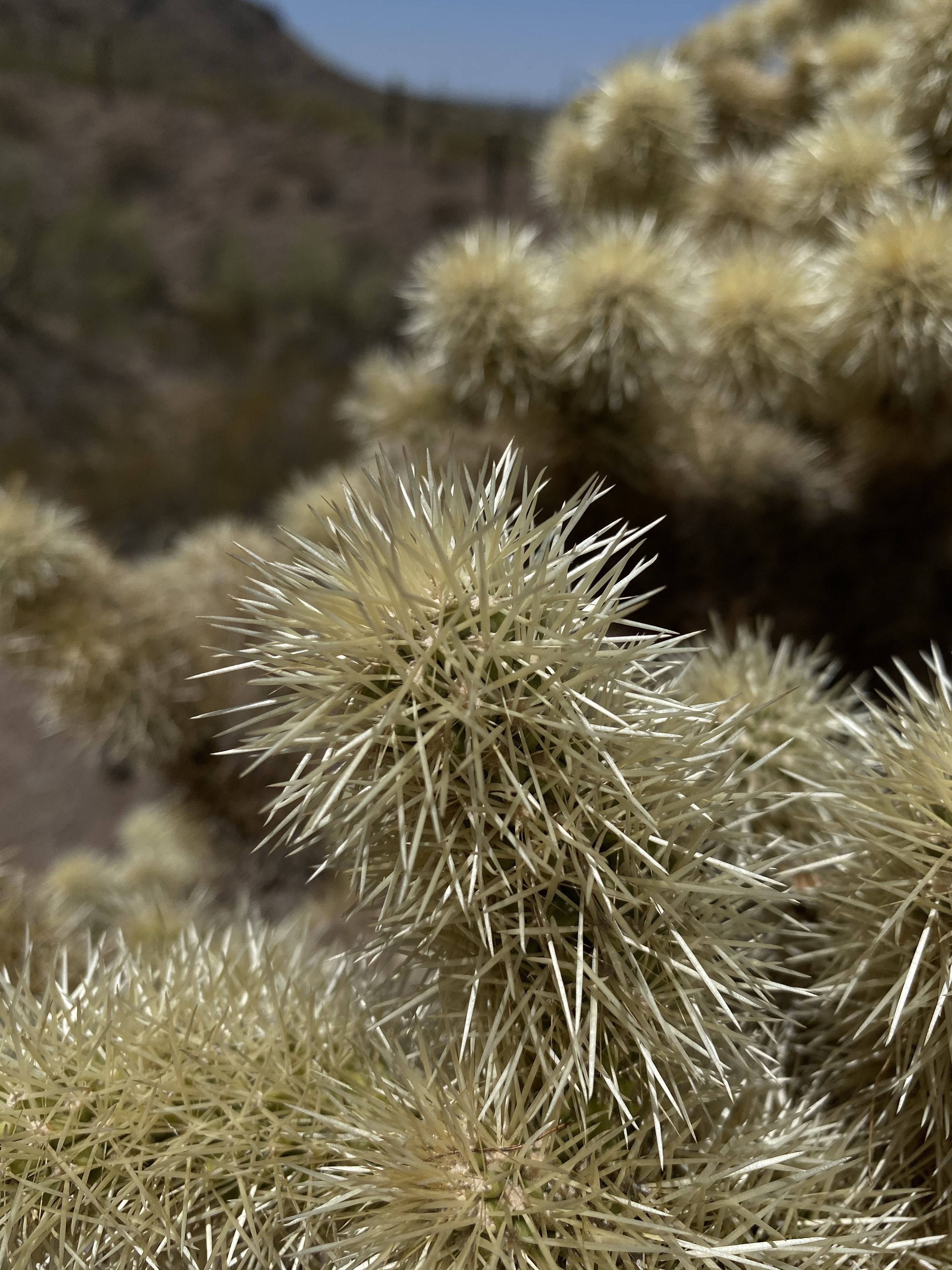
On my way down, I veered off and onto the nature trail to learn more about the area. While the desert appears to be a place for survival of the fittest, and often is, the plants and animals have adapted to sustain life here. They work together in unique ways to thrive. For example, the Saguaro provides shelter for Gila Woodpeckers and Gilded Flickers, almost like a bird hotel. Desert birds also have extremely high body temperatures so they don’t get overheated easily like humans. In addition, the shape of the Cholla cactus is perfect for Cactus Wren to build their dome-shaped nests.
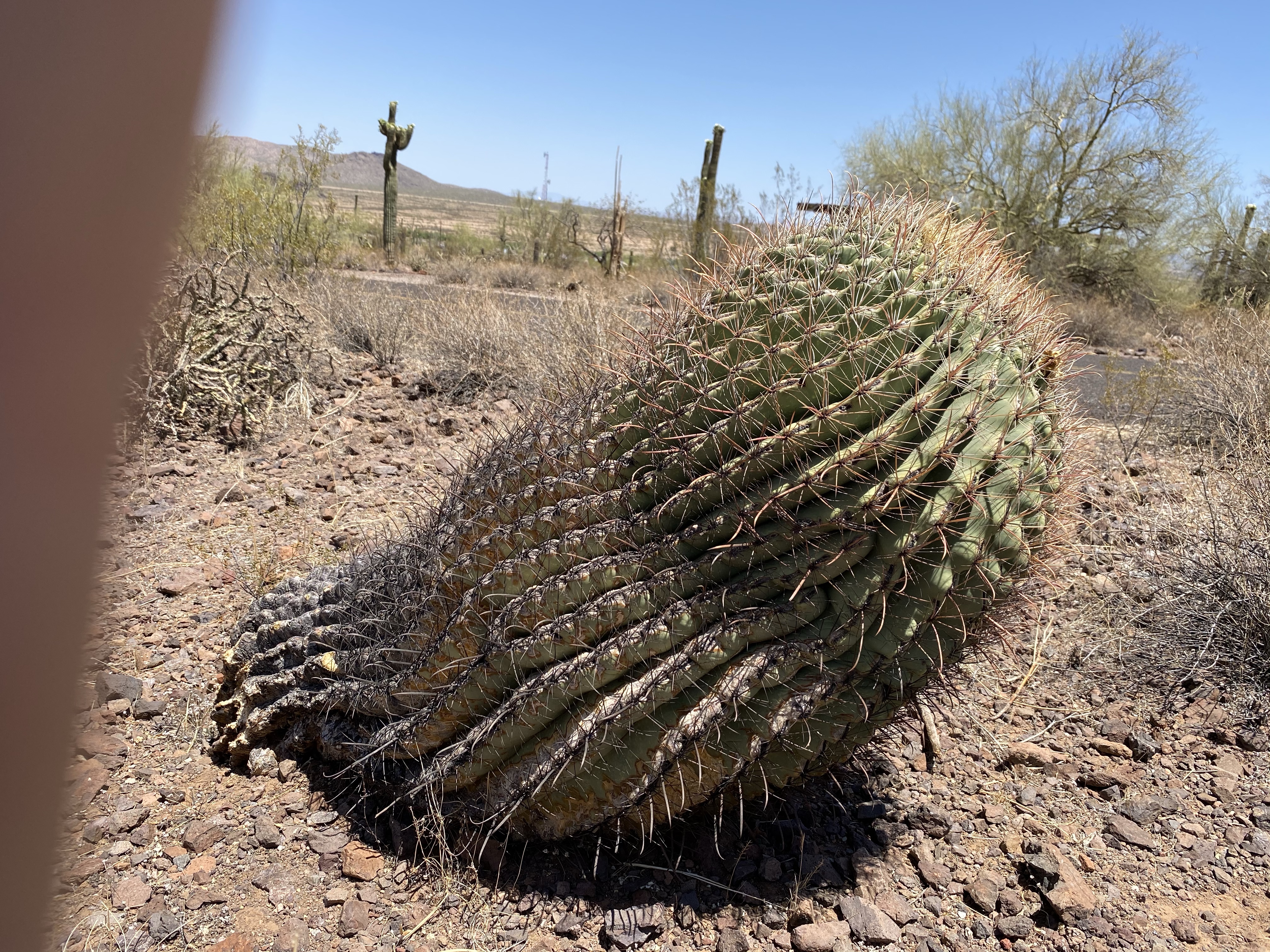
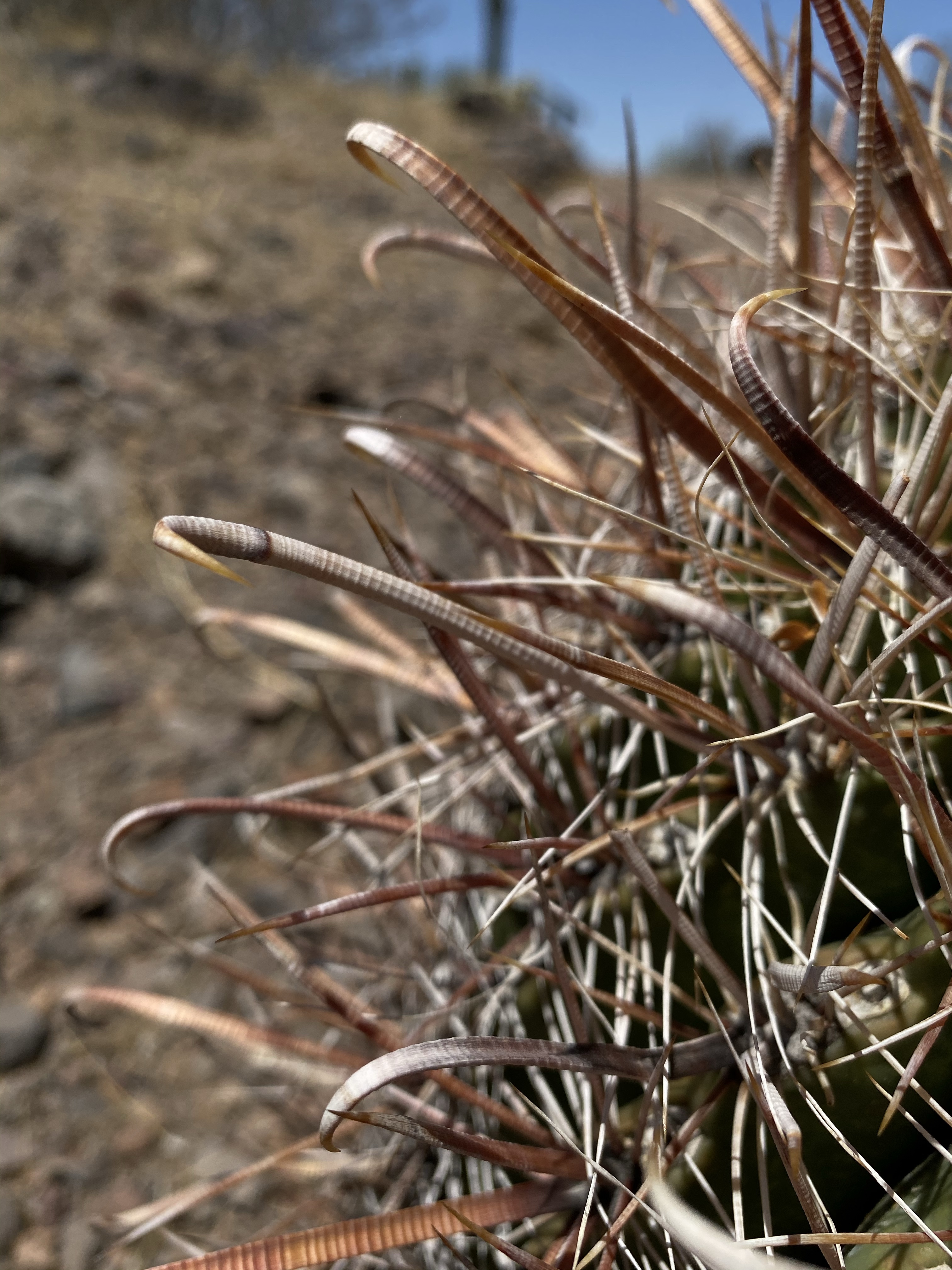
The plants are survivalists too, having adapted their structures and relying on animals. For example, cacti have the special ability of expanding to store water for later use! Their waxy exterior helps them retain moisture as well. Additionally, having spines instead of leaves requires less water usage and reduces the amount of the plant that is exposed to the sun. The Prickly Pear and Jojoba plants adjust by having only the thinest parts of their leaves or pads facing the sun. How cool! Below the surface magic is happening as well, with root structures that either stay shallow and wide or dig deep down to find water. Nature is super cool. And then there’s the Fishhook Barrel Cactus, that loves the sun so much that it eventually uproots itself from leaning too far towards the southwest. Maybe that one still has some learning to do.
The Saguaro have significance too for native people. Respected and revered by many tribes, the cacti provided them with materials for life. The mid-summer fruit provided food and the woody ribs building materials. The Tohono O’odham people continue to celebrate and cultivate the fruit the mighty Saguaro produces.
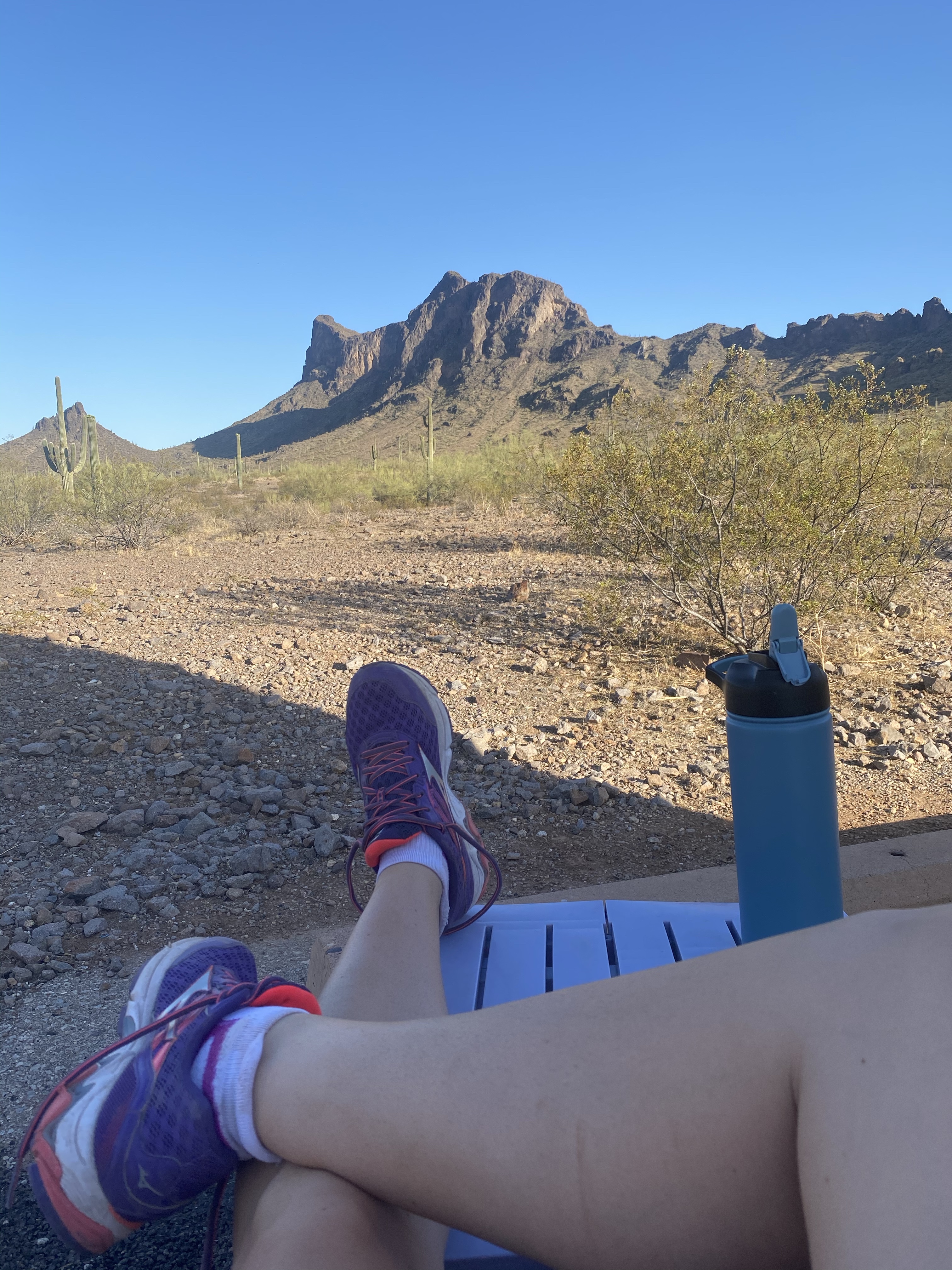
After learning, I settled down into my campsite to chat with my sister and watch the show the squirrels put on. Hoping for a handout, it scooted closed, skitted back and forth, ran away, and came back for another go. At one point, it laid down flat, front arms stretched out, back lays splayed, squashed to the ground. I think it was hoping if it laid still enough, low enough, I wouldn’t notice it! Eventually it grew tired of waiting though and moved on to perhaps a more generous camper. That night was early to bed so I could rise early for Picacho Peak in the morning.


With sun blazing, the next morning I hit Hunter Trail for the short hike to the peak. Just three miles round trip, it sounds initially like it would be easy. But do I do much that is easy? Not these days. Over three miles I was to climb 1,500 feet in elevation over boulders and rocky paths, using cables to guide me along. I didn’t think too much about the challenge ahead, better just to go for it I told myself.
So off I went, slowly climbing the first three-quarters of a mile on a dusty switchback path towards the peak. While a good workout for the lungs, this first part wasn’t much different than what I had been hiking lately. I enjoyed the shaded provided by the cliff wall above me and moved forward to the first lookout.
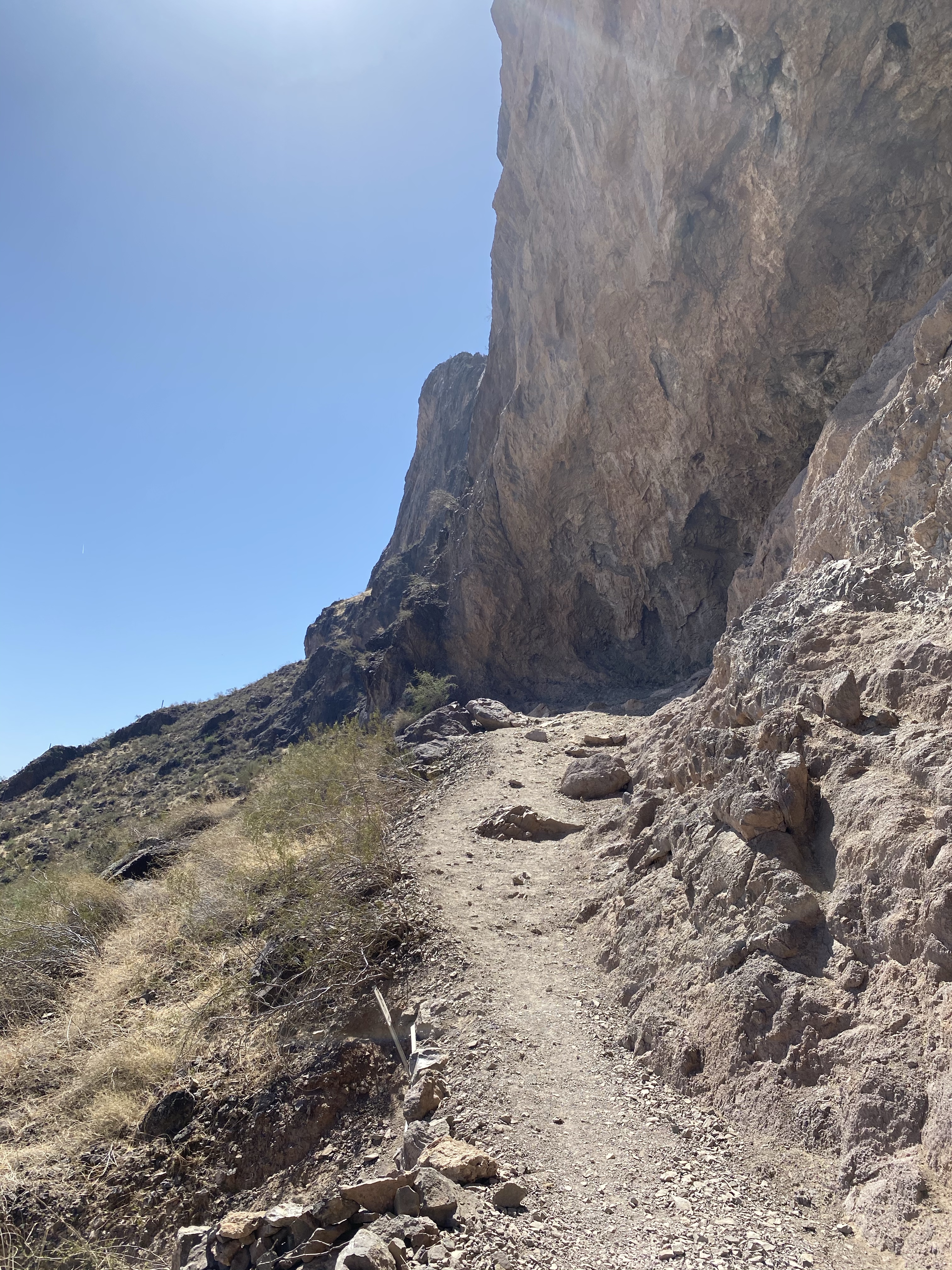
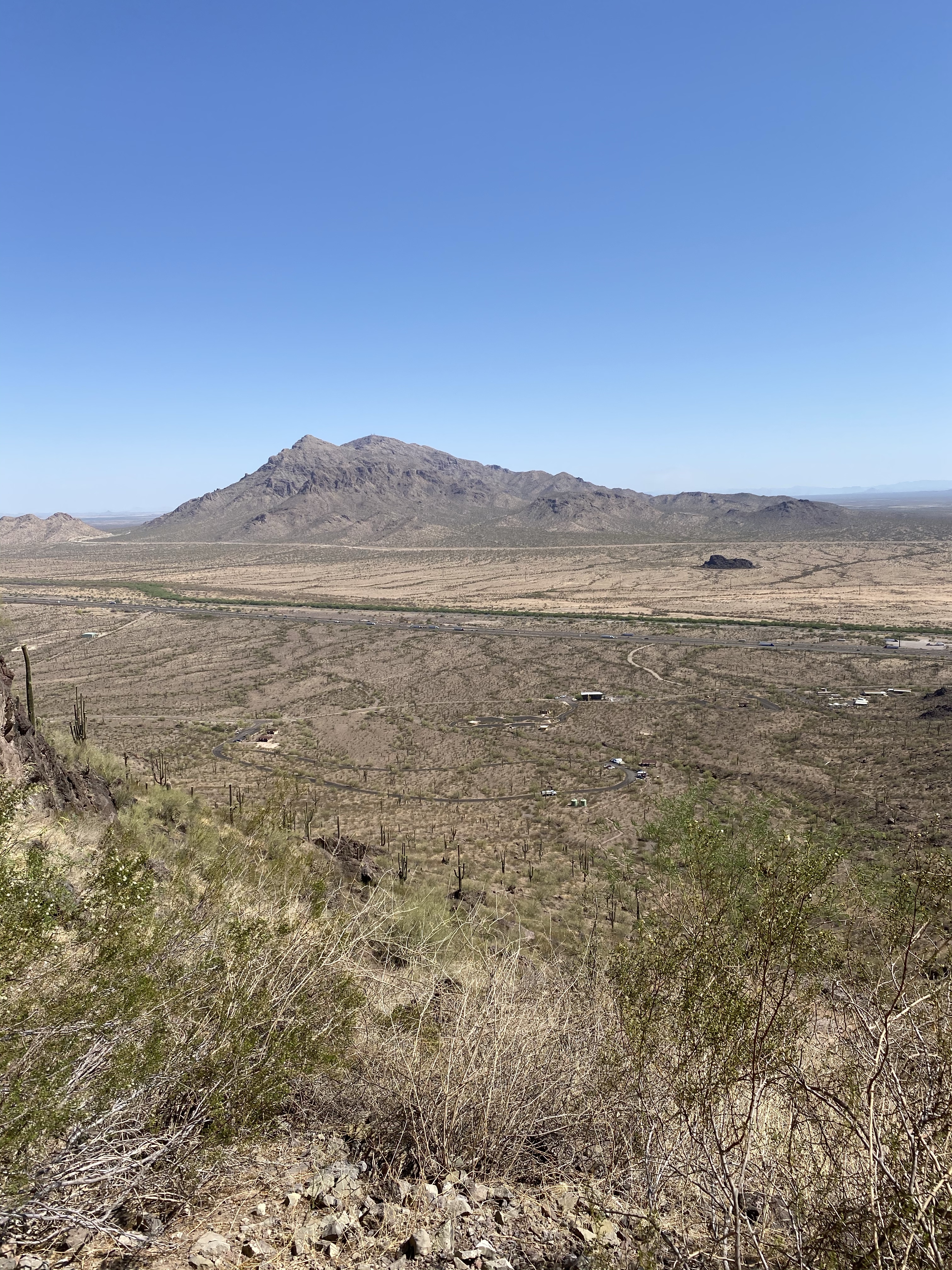
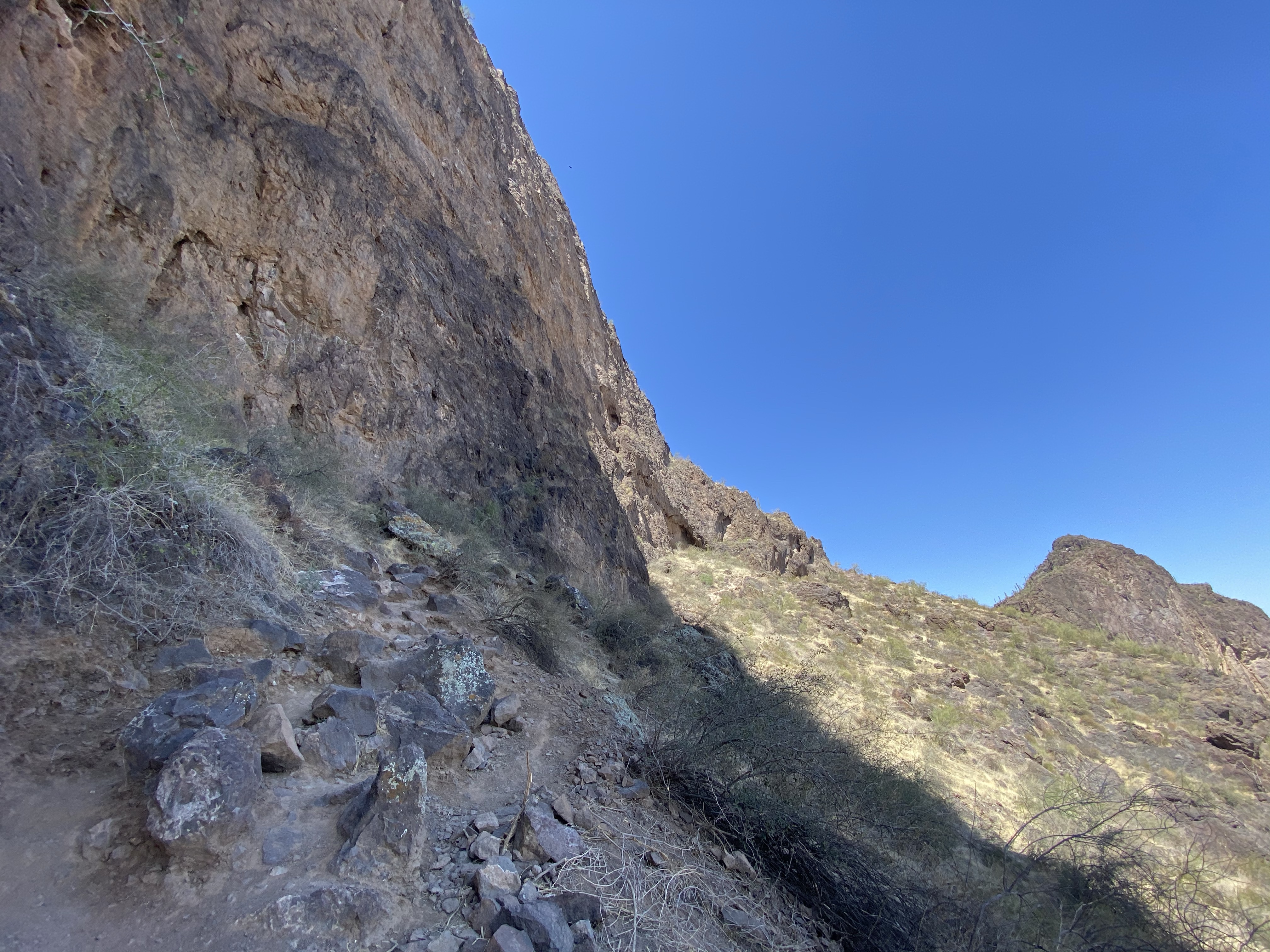
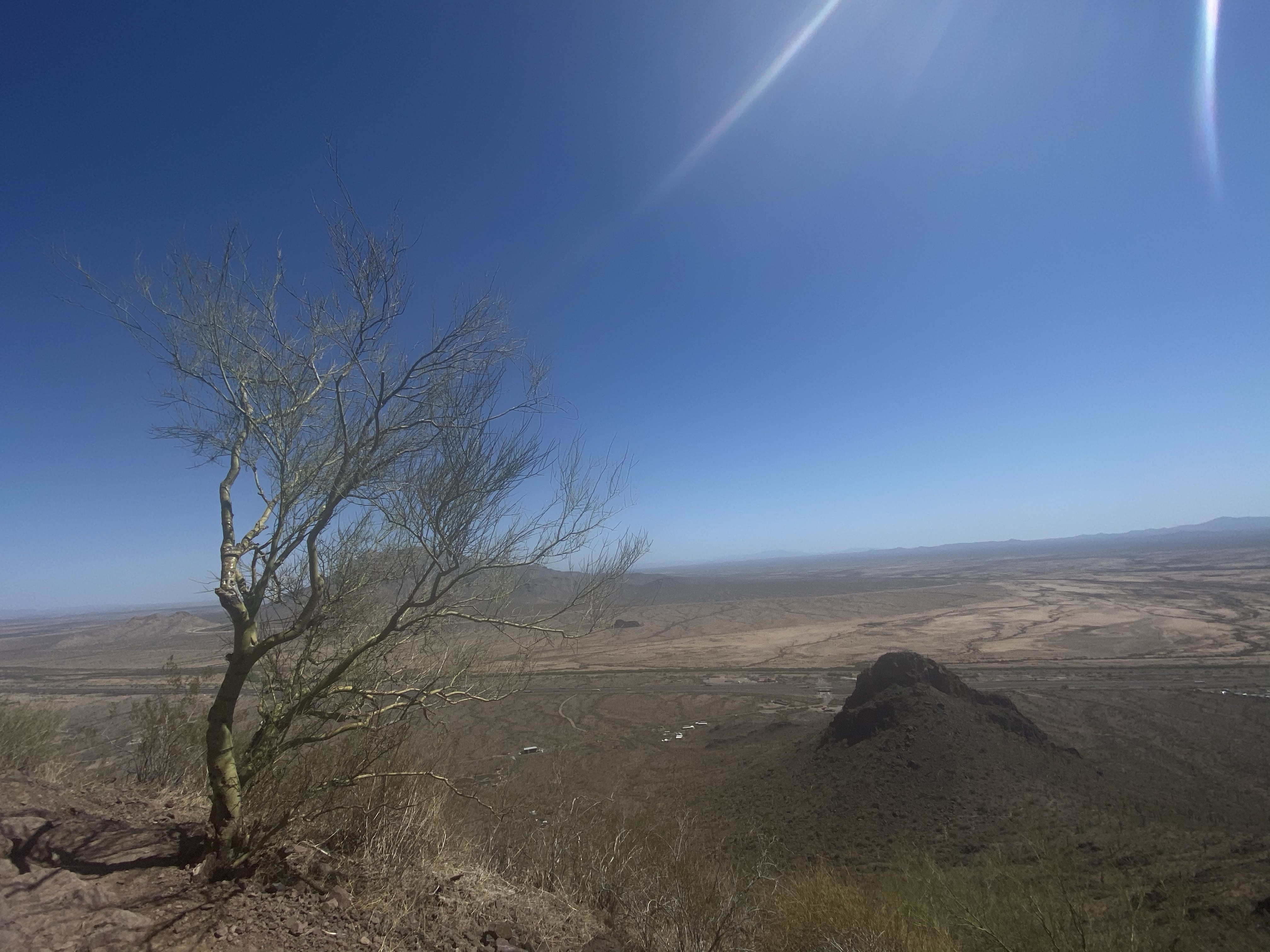
Here I met hikers returning from their ascent, tired, sweaty, and breathing heavy. I waited with another hiker at the rocky landing spot, watching the gloved hikers climb up the chute using cables tethered to the mountain on their side. We were told gloves were essential, and went back to borrow a few pairs left at the bench above. Best move of the day. Then down Dave and I went, unofficially deciding it was better to proceed together rather than alone.
The next half of the trail was a series of ups and downs, over boulders, across ledges, up cliff faces using sturdy cable. We cautiously curved our way around the mountain to the backside, constantly wondering what was up next. Several breaks later, we made it to the last obstacle, or so we thought. In front of us the path climbed almost vertically to the next landing, a set of cables there to help you pull yourself up. Without hesitating (which would have meant I turned around), I followed Dave, carefully placing my feet in the nooks and crannies of the rock beneath me.
We reached the landing, then shuffled our way across the ledge before us. Hugging the mountain on one side and holding the cable top of the fence on the other, I moved swiftly yet carefully. The short distance got my heart racing and I ignored the fact that I would be making a return trip.

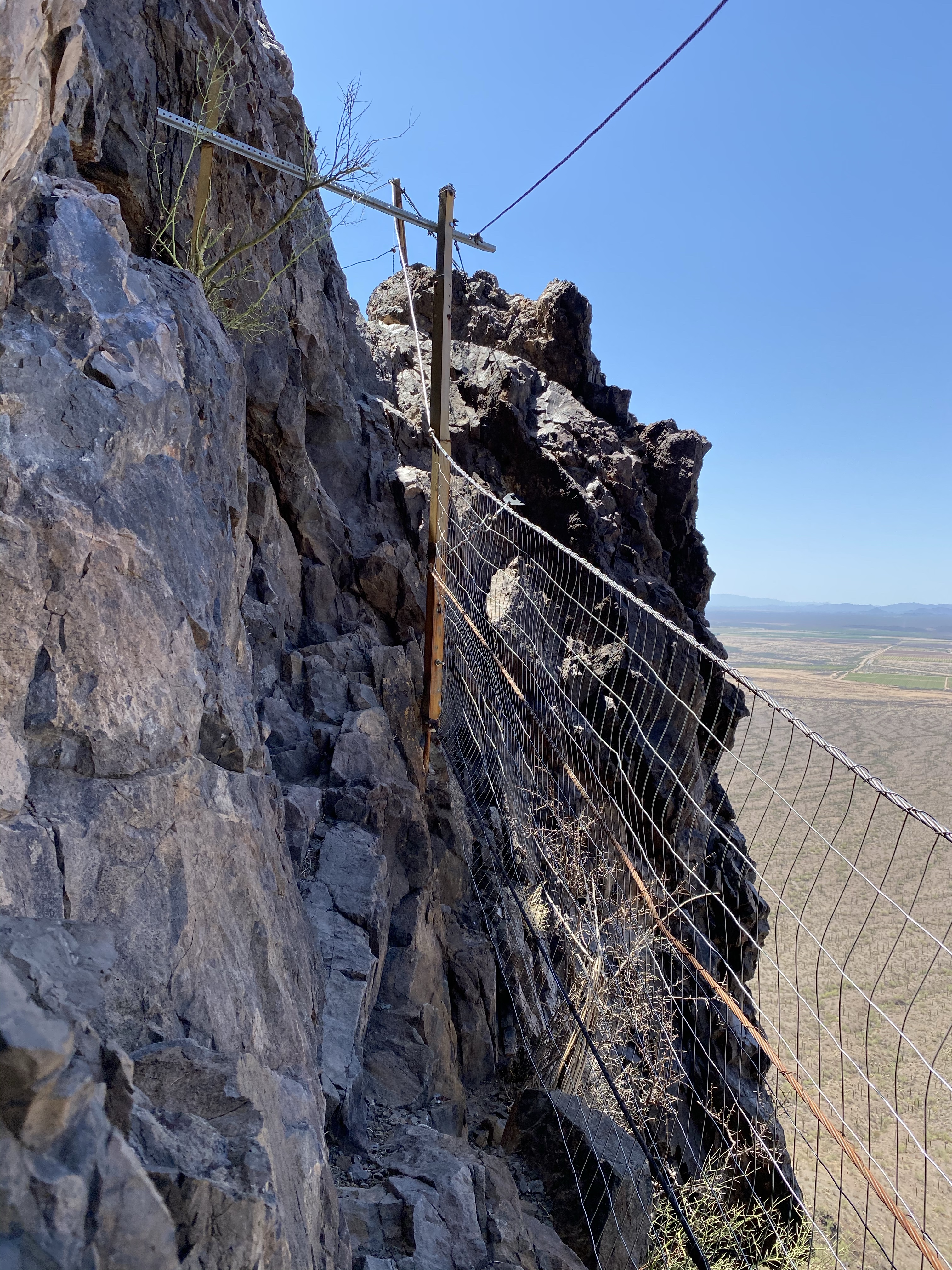
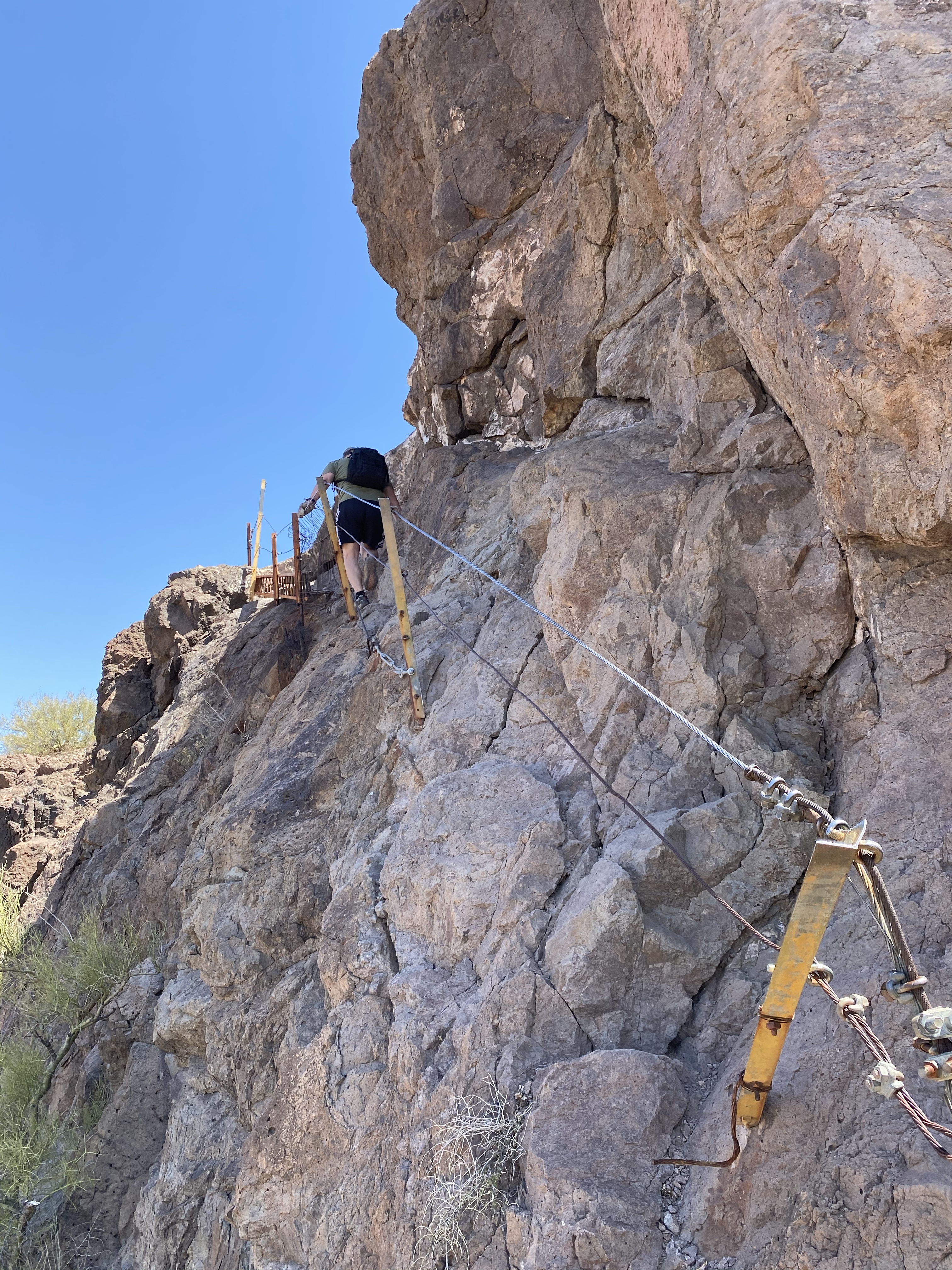
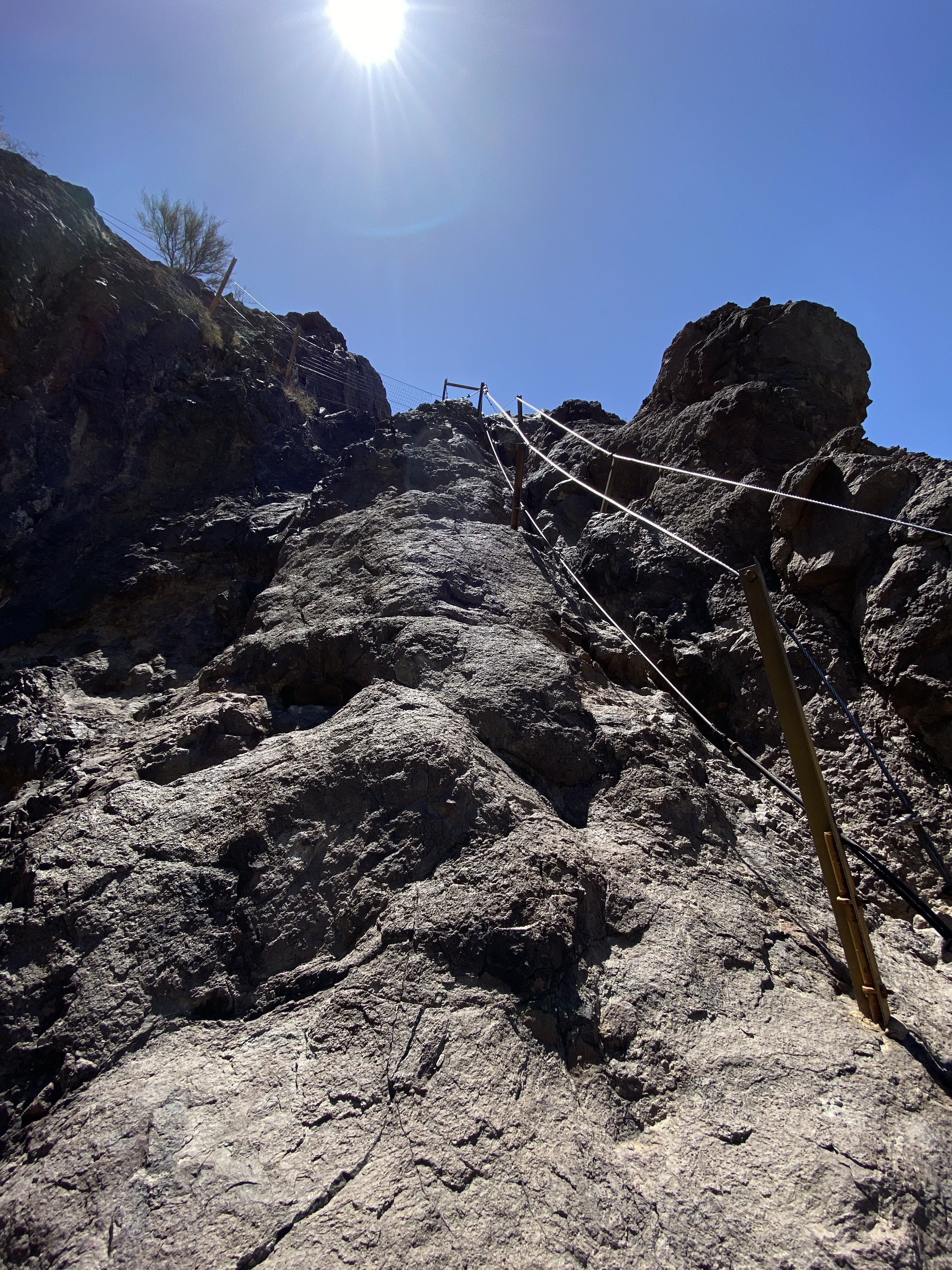
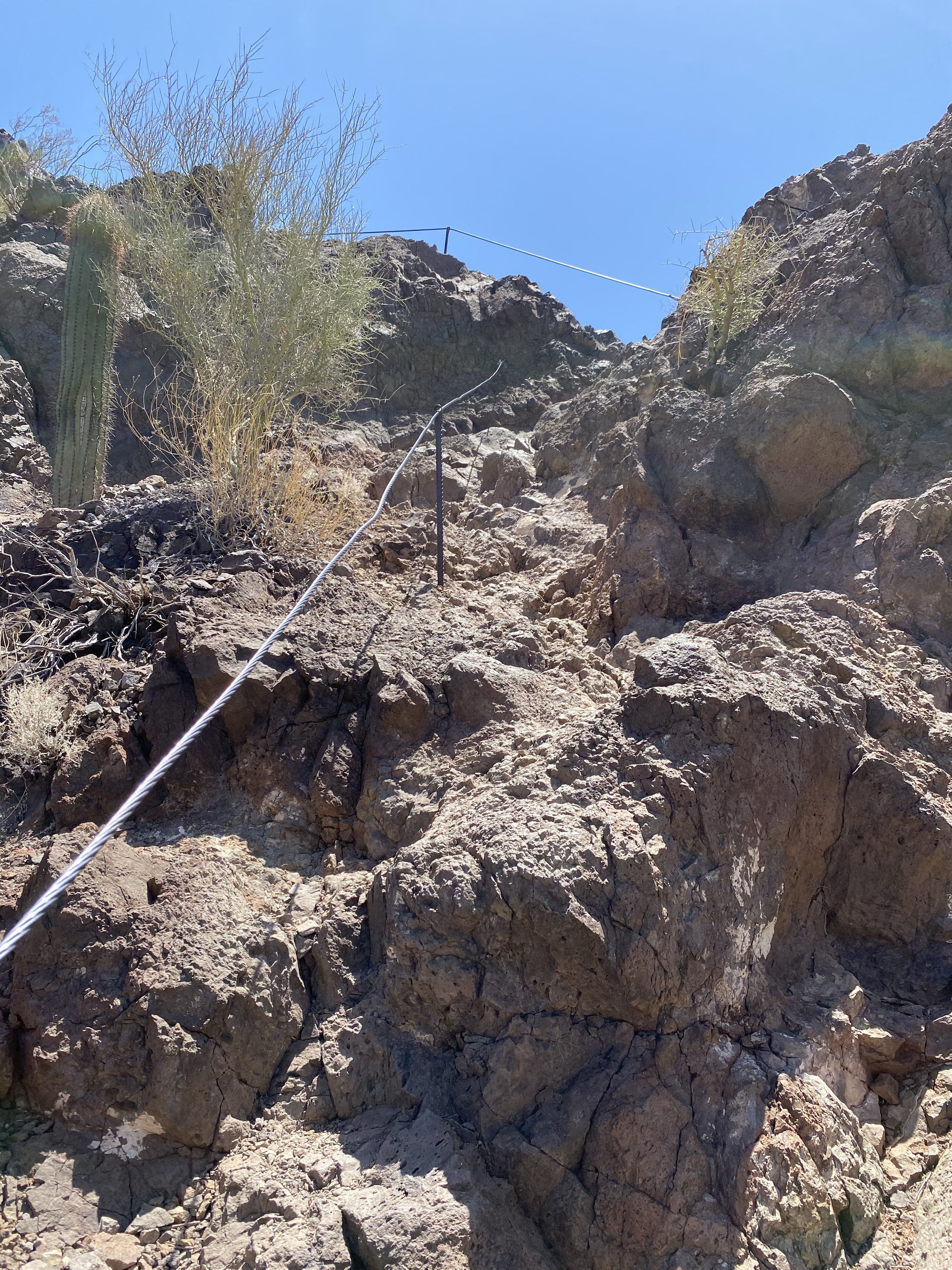
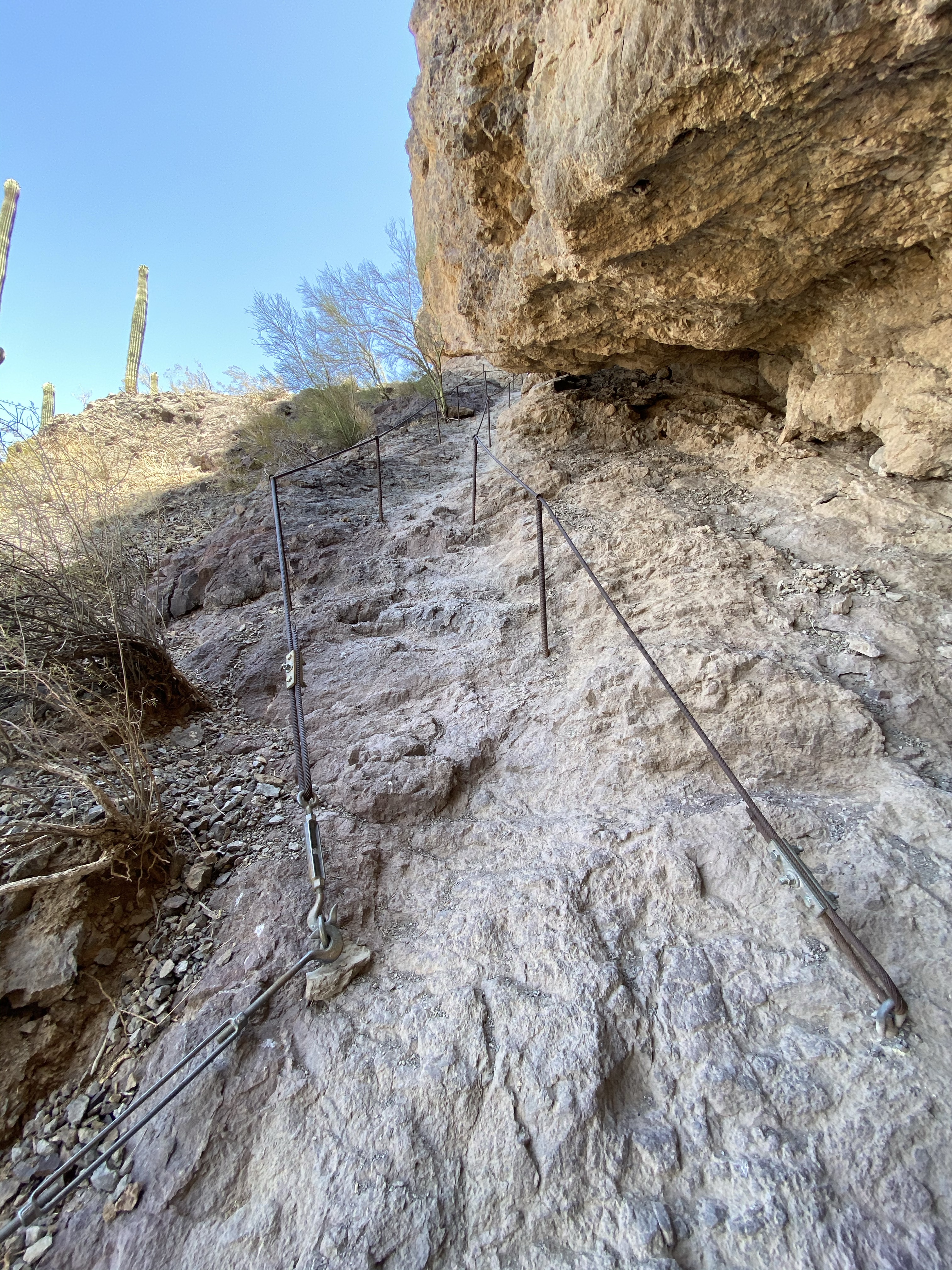
Here we thought we had reached the summit, but no such luck. While the perils of cables and fenced ledges were behind us, a steep series of switchbacks was still ahead of us in order to reach the peak. So up we went, until we reached the summit – empty and beautiful.
Sitting at the peak, admiring the view, I reflected on how many firsts I am accomplishing this trip. I am no longer telling myself I can’t do things. If I want to try it, I am going to try it.
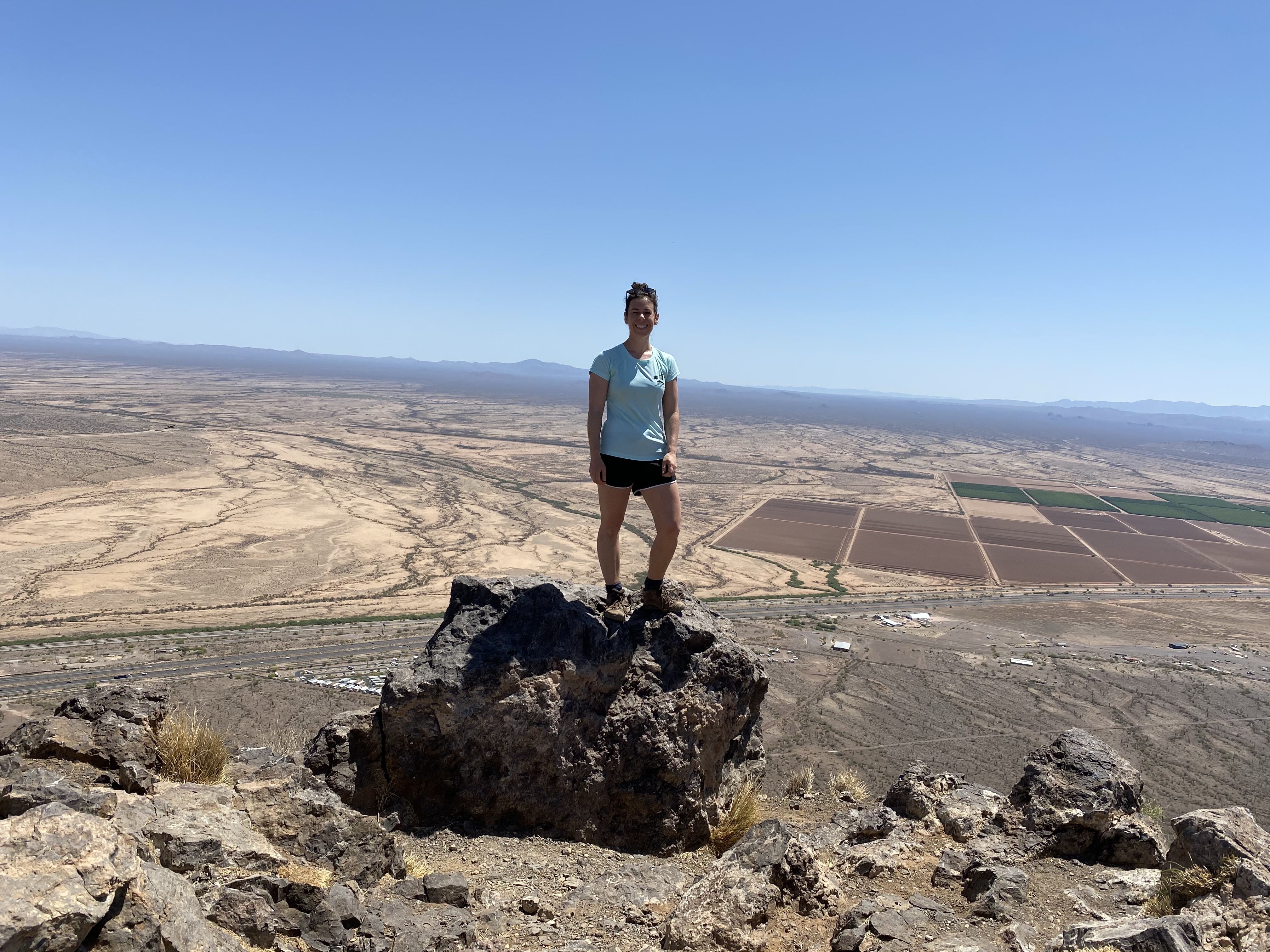
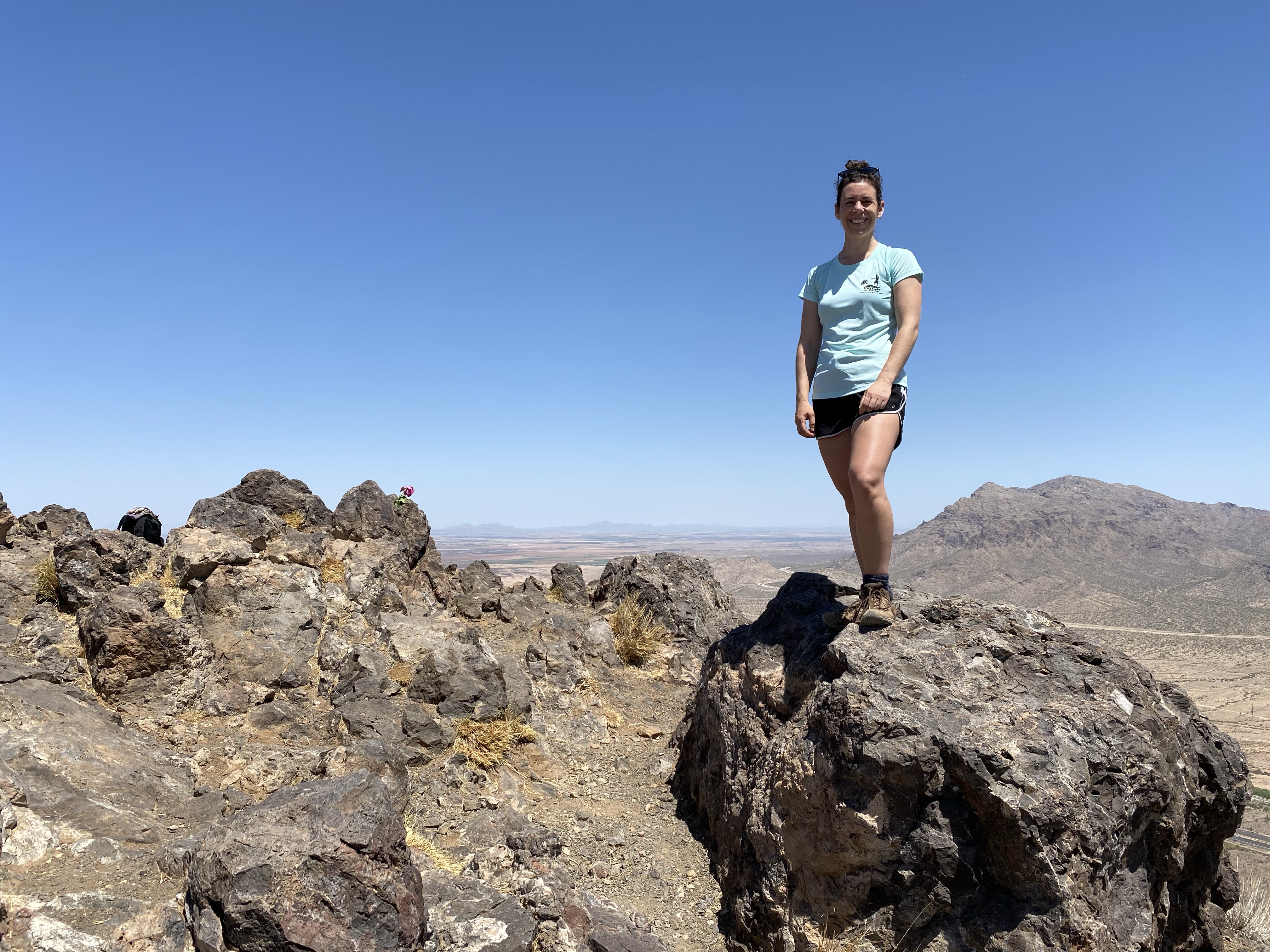
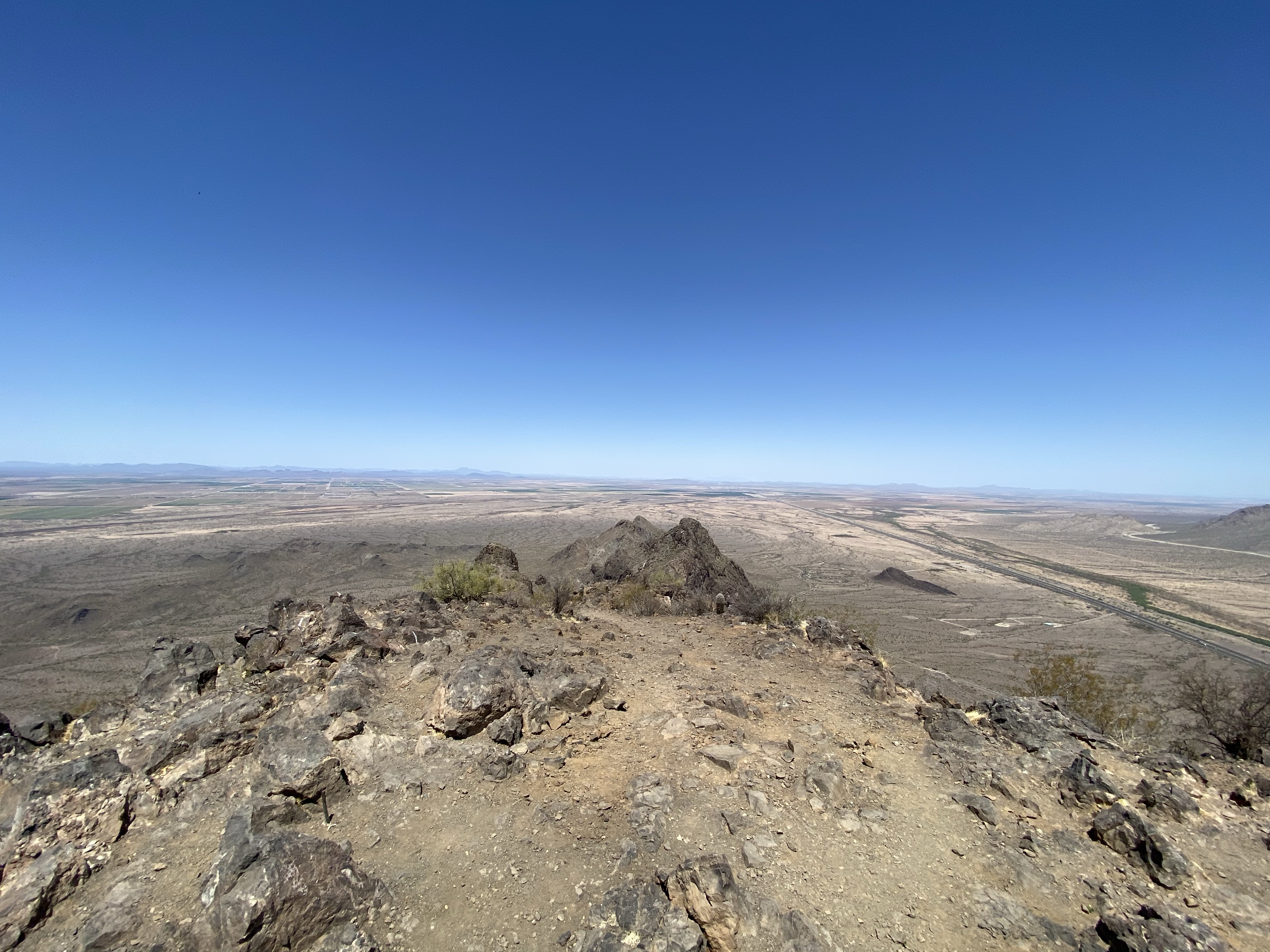
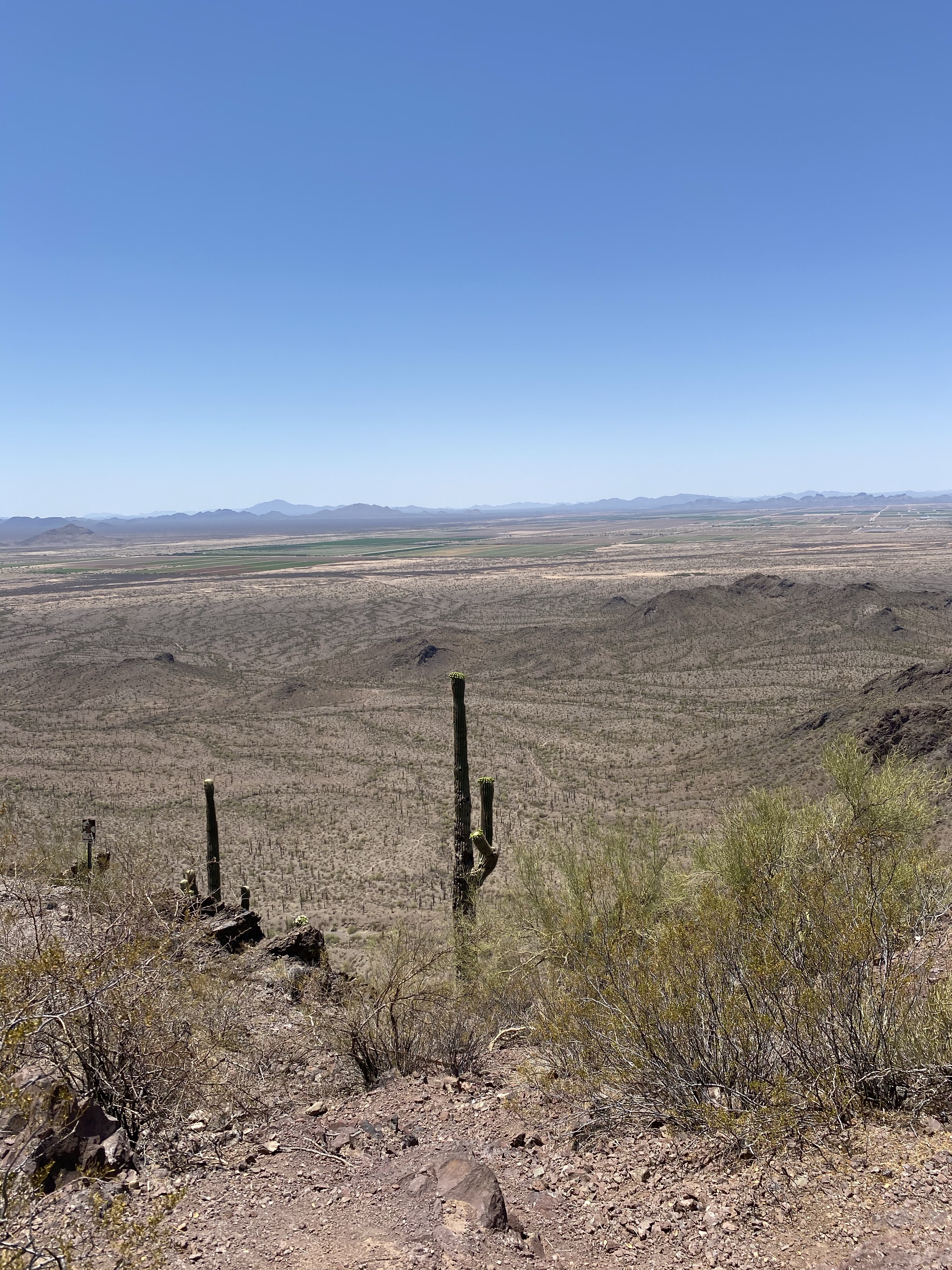
The solitude was interrupted by swallows jetting about, diving around us, most likely protecting a nest somewhere near by. They came awfully close to our heads multiple times, but had the control and grace to zoom around, off into the distance. At speeds of 50-80 miles per hour, they are magnificent to watch. Can you spot them in the videos? Don’t blink!
Eventually we chose to leave them in peace and headed down, slowly but surely, in no rush. Sitting down, sliding on my bottom, using hands were all options I utilized on the way down, prioritizing safety over grace. And make it down we did, celebrating with a fist bump at the end. Another amazing hike in the books!
Then it was off to my next destination, a stopover on the way to Joshua Tree National Park. California here I come!


Love following you on this amazing adventure and seeing you discovering how strong and fearless you really are♥️ You really are amazing!!
LikeLike
Thanks Andrea! I love it too. Learning a lot about myself.
LikeLike
Shannon, what are the ripples in the sand? Is it where the wind has blown and got stuck on greenery or brush? I thought maybe it was left from rain riverlets, maybe not.
LikeLike
It’s how the wind blows the sand! Isn’t that neat?
LikeLike